
Tools
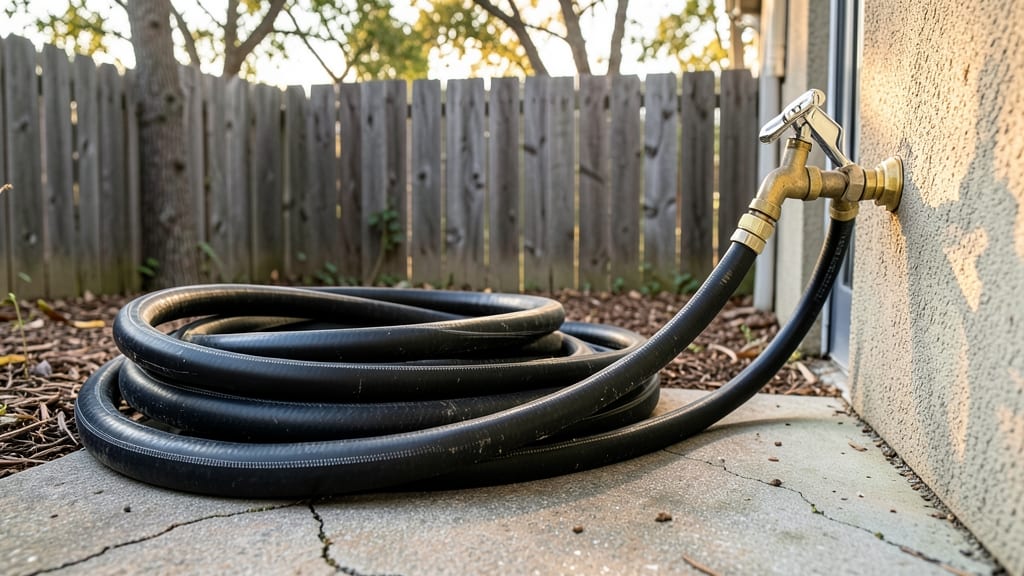
Checking your garden hose for lead requires looking for metallic taste, discoloration, or manufacturer markings indicating lead content, then replacing it immediately if lead is detected. Opt for PVC or polyethylene hoses instead, as these materials are lead-free and safer for watering plants and irrigation systems.
Lead contamination in garden hoses isn't just a health risk—it can seep into your soil and plants, affecting your garden's health. 🌱 Older hoses, especially those with brass fittings or rubberized coatings, are more likely to contain lead, which can leach into water over time.
I always recommend testing any hose over 5 years old, as degradation increases lead exposure risks. The good news? Modern lead-free hoses are widely available and just as durable.
If you're unsure about your current hose, a simple at-home lead test kit can give you peace of mind. These kits work by collecting a water sample after running the hose for a few minutes—if lead is present, it'll show up in the test results within minutes.
For a more definitive answer, sending a sample to a certified lab is the gold standard, though it takes longer. Either way, replacing a lead-containing hose is worth the investment for both your health and your garden's long-term success.
💡 In This Article
- How to Identify Lead in Old Garden Hoses
- Best Lead-Free Garden Hose Materials for Gardening
How to identify lead in old garden hoses
Lead in garden hoses often hides in unexpected places—especially in older models made before 1990, when lead was commonly used in brass fittings, rubber coatings, and even some hose materials. Start by examining the hose's flexibility: lead-containing hoses often feel stiffer and heavier than modern versions.
Run your fingers along the seams—brass connectors or soldered joints are classic red flags, as these were frequently made with lead-based alloys. 🔍 A metallic taste when water first runs through the hose is another telltale sign, though this fades as lead leaches out over time.
The visual clues don't stop there. Look for discoloration—lead can cause a dull, grayish tint in rubberized coatings or a greenish patina on brass fittings. If your hose has a rubbery texture with a slightly grainy feel, it might contain lead additives.
For a more scientific approach, at-home lead test kits (available for $10-$20) can detect lead levels in water after flushing the hose for 30 seconds.
These kits work by reacting with lead ions, turning a test strip color that indicates contamination—though they're less precise than lab tests, which can measure parts-per-billion accuracy.
Here's why this matters: lead leaching isn't just a health hazard for you—it can accumulate in your soil and plants. Studies show that even low levels of lead in irrigation water can stunt plant growth and alter nutrient uptake.
For example, tomatoes exposed to lead-contaminated water may develop stunted roots and reduced yields by up to 30%. The risk is highest with hoses over 5 years old, as degradation accelerates lead release.
If you're unsure, consider the hose's manufacturer: brands like Flexzilla or Garden Tech now offer lead-free certifications, while older Rain Bird or Orbit models may contain lead in fittings.
Don't overlook the fittings—they're often the lead culprits. Brass connectors with a dull finish or visible corrosion are prime suspects. Even if the hose itself is lead-free, these fittings can leach lead into water.
For a quick test, hold a magnet near the fitting: lead-containing brass won't stick, while stainless steel will.
If you suspect lead in fittings, replace them with polyethylene or PVC alternatives, which are inherently lead-free and just as durable. 🚰 The key is acting fast—once lead starts leaching, the damage to your health and garden can be irreversible.
For those who want definitive answers, lab testing is the gold standard. Mail-in kits (like those from Home Water Test) send samples to certified labs for analysis, typically returning results within 5-7 business days.
While this costs $50-$100, it's a small price for peace of mind—especially if you're growing edible plants. The EPA recommends replacing any hose with lead levels above 0.015 ppm, a threshold that's often exceeded in older hoses.
Even if your hose tests clean today, regular inspections every 2-3 years are wise, as lead can re-enter water as the hose degrades.
Pro tip: If you're dealing with a hose that's already contaminated, don't just toss it—dispose of it properly. Lead hoses should never go in regular trash; check local regulations for hazardous waste disposal guidelines.
Many municipalities offer free e-waste or hazardous material drop-offs. Replacing a lead hose isn't just about safety—it's about protecting the long-term health of your garden and the environment. 🌿