
Picking
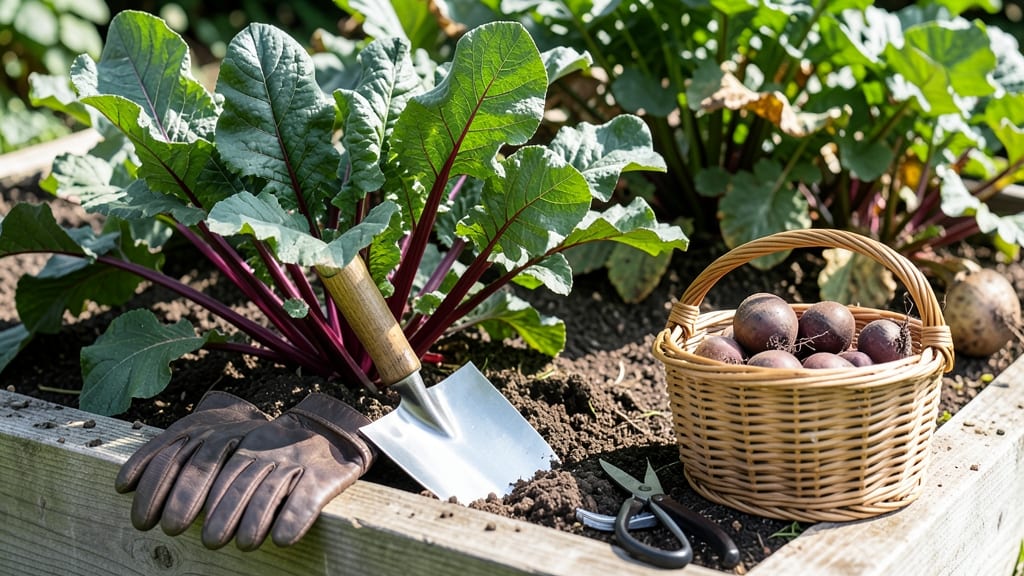
To pick beets from your garden at the perfect moment means catching them when they’re sweetest and most tender — a window that’s easy to miss if you’re not watching for the right cues.
Harvesting beets at the wrong time can turn your sweet, earthy roots into tough, woody disappointments—here’s how to nail the perfect harvest window every time.
Look for roots that are 1-3 inches in diameter with deep, consistent color (whether red, gold, or purple) and firm skin that resists gentle pressure. These signs mean your 🍠 beets are ready for the table, not the compost pile.
Below, I’ll walk you through the exact visual and seasonal clues to know when to pull them, plus how to store them afterward so they stay sweet for weeks.

How to determine the best time to harvest beets for maximum sweetness
Harvesting beets at the right moment transforms your garden into a treasure trove of sweet, tender roots. The key lies in balancing size, color, and texture—each variety has its own perfect window.
For example, Detroit Dark Red beets reach peak flavor at 2-3 inches in diameter, while Golden Beets stay sweeter when harvested slightly smaller. Timing isn't just about days after planting; it's about reading your plants like a seasoned chef reading a recipe.
Seasonal timing plays a crucial role too. In USDA Zone 6a, beets planted in March-April typically hit harvest readiness between May and October, aligning with 60-70 days after sowing. However, cooler spring temperatures slow growth, so your first harvest might arrive later than expected.
Pay attention to soil temperatures—roots develop best when soils are consistently above 50°F. If you're growing in containers, check the bottom of the pot: roots that circle the edges are ready for harvest.
| Harvest Cue | Ideal Specification | Variety Examples | Seasonal Note |
|---|---|---|---|
| Root Diameter | 1-3 inches | Detroit Dark Red, Chioggia | Spring harvests may take longer |
| Skin Firmness | Resists gentle pressure | All varieties | Avoid woody texture |
| Color Depth | Uniform, vibrant hue | Golden, Red, Candy Stripes | Pale colors = underripe |
| Leaf Health | Large, dark green leaves | All beet varieties | Yellowing = overripe |
| Taste Test | Sweet, earthy flavor | All varieties | Bitterness = overripe |
Don't rely solely on calendar dates—taste tests are your best friend. Dig up a small beet and sample it raw. The perfect beet should be sweet, tender, and lack any bitter aftertaste.
If it's too mild, leave it a few more days; if it's bitter or woody, you've missed the window. Pro tip: Harvest on cool mornings when sugars are concentrated, and avoid picking after heavy rain, which can dilute flavors and make roots waterlogged.
Variety matters more than you might think. Baby beets, like 'Babybeat', can be harvested as small as 1 inch in diameter for delicate greens and tiny roots. Meanwhile, storage varieties such as 'Albina Veredka' develop their full sweetness at 3-4 inches.
Always check the seed packet for variety-specific recommendations, as some types (like Chioggia) are prized for their striped patterns and may need slightly longer to develop their signature colors.
Watch the foliage too—healthy, vibrant leaves indicate a thriving root below. If leaves start yellowing or wilting, your beets may be overripe. Conversely, small, pale leaves suggest underripe roots. For baby leaf harvests, you can pick the outer leaves first, leaving the center to keep producing.
This extends your harvest season by 2-3 weeks while still allowing the roots to mature for later picking.
Seasonal timing shifts with your climate. In warmer zones (like Zone 7+), beets may mature faster—sometimes in as few as 50 days. In cooler regions, plan for 70 days or more.
If you're growing through summer's heat, provide shade cloth to prevent bolting (flowering), which turns roots woody and bitter. Mulching with straw helps maintain even soil temperatures and moisture levels, keeping your beets on track for the perfect harvest.
For continuous harvests, stagger plantings every 2 weeks starting in spring. This ensures a steady supply of beets at their peak sweetness throughout the season. When planning, remember that late summer plantings may not mature fully before frost.
In Zone 6a, aim to finish harvests by mid-October to avoid winter's chill turning your roots mushy or hollow. If frost threatens, harvest and store beets in a cool, dark place for up to 3 months.
Signs your beets are overripe or underripe (and how to fix it)
Knowing when to harvest your beets makes all the difference between a tender, sweet root and a woody, bitter mess. Many gardeners mistake underripe beets for overripe ones—or vice versa—because they focus on size alone.
But the real clues lie in color, texture, and taste. Let’s break down the visual and tactile signs so you never guess again.
First, let’s tackle the underripe beet. These little guys are often overlooked because they’re small and pale. An underripe beet will have roots smaller than 1 inch in diameter, with skin that’s soft and easily pierced like overripe fruit.
The color will be pale and inconsistent, lacking the deep red, gold, or purple hues of a mature beet. If you harvest too early, you’ll miss out on the full sweetness and end up with a watery, bland root.
⚠️ callout warning ⚠️
Beets harvested before 50 days lack flavor and nutrients, while waiting past 70 days turns them woody and tough. Check roots every 5-7 days starting at day 50 for the perfect balance of size, color, and firmness.
💡 Pro Tip: Dig up one beet to test—if it’s ready, harvest the rest within 2-3 days before they overmature.
On the flip side, overripe beets are easy to spot once you know what to look for. These roots often exceed 3 inches in diameter, with skin that’s tough and difficult to penetrate.
The color may appear dull or faded, and the beet itself might feel hard and woody when squeezed. Overripe beets lose their sweetness and develop a gritty, earthy flavor that even cooking can’t fix.
The leaves may also start to yellow or wilt, signaling the plant is redirecting energy to seed production.
If you’ve already missed the sweet spot, don’t panic. Overripe beets can still be used in cooked dishes like soups or roasts, where their texture won’t be as noticeable. For underripe beets, leave them in the ground for another 5-7 days and check daily.
Consistent watering and sunlight will help them mature faster. Avoid fertilizing at this stage—too much nitrogen can make them leafy but never fully sweet.
Another trick is the "taste test". Dig up a small beet, slice it open, and taste a piece raw. A perfectly ripe beet should be sweet and crisp, with minimal bitterness. If it’s bland, it’s underripe; if it’s tough or bitter, it’s overripe.
This method works best in late summer, when beets naturally develop more sugar. For early-season harvests, rely more on size and color since flavor may still be developing.
Finally, remember that variety matters. Baby beets (like 'Babybeat' or 'Detroit Dark Red') are harvested small for salads, while storage varieties (like 'Chioggia' or 'Golden') can wait longer.
Always refer to your seed packet for variety-specific guidelines, but use the visual and tactile cues above as your final judge. With practice, you’ll develop an eye for the perfect beet—every time.