
Watering
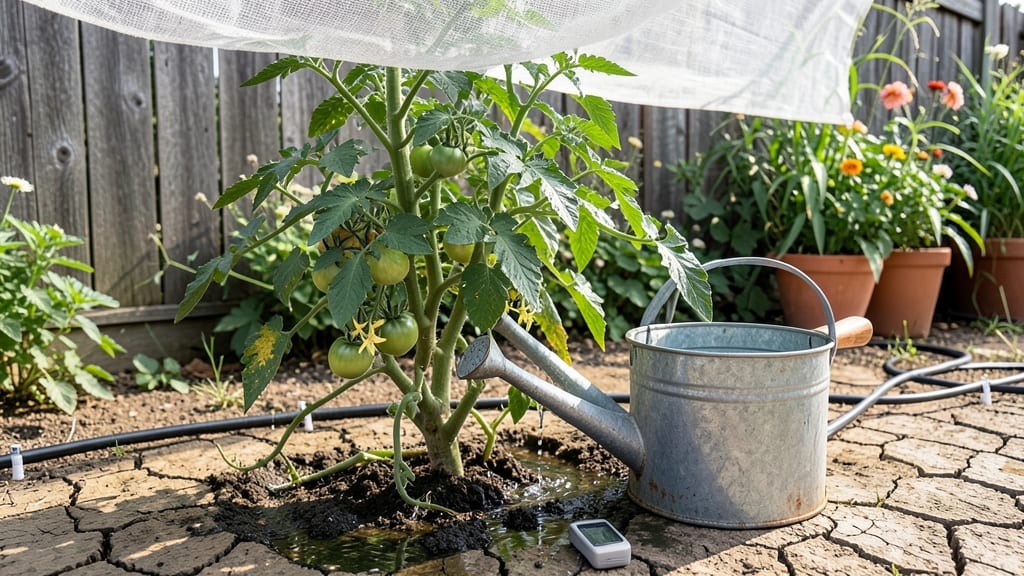
Watering your garden every day in hot weather is unnecessary and can harm plants by causing root stress, fungal growth, and nutrient leaching. Instead, water deeply 1-2 times per week, focusing on early morning to reduce evaporation and disease risk.
Daily watering in extreme heat actually stresses plants by preventing roots from accessing oxygen, which is critical for nutrient absorption. 🌱 When soil stays too wet, beneficial microbes suffocate, and fungal diseases like powdery mildew thrive.
I’ve seen firsthand how plants wilt more from overwatering than from thirst—especially when combined with afternoon heat that locks moisture in the soil. The key is mimicking natural rainfall patterns: deep, infrequent watering encourages roots to grow downward where moisture persists longer.
For best results, check soil moisture 2 inches deep—if it’s dry, that’s your cue. Morning watering (before 10 AM) gives plants time to absorb moisture before evaporation peaks, while evening water can promote fungal issues.
Mulching with 2-3 inches of organic matter (like straw or wood chips) retains moisture and regulates soil temperature, reducing the need for frequent watering by up to 30%.
💡 In This Article
- How Daily Watering Damages Plant Roots in Heat
- Optimal Watering Schedule for Hot-Weather Gardens
How daily watering damages plant roots in heat
When you water daily in hot weather, you're essentially suffocating your plants' roots. Soil needs air pockets for oxygen—critical for root respiration and nutrient uptake.
In saturated soil, these pockets fill with water, cutting off oxygen flow. 🌡️ At temperatures above 85°F, this problem worsens because heat accelerates microbial activity, which consumes oxygen faster.
Studies show roots in waterlogged conditions can die within 24-48 hours due to oxygen deprivation, even if the plant appears healthy above ground.
The damage goes deeper than oxygen. Excess water leaches vital nutrients like nitrogen and potassium from the soil, while compacting the root zone.
This creates a dense layer that restricts root growth downward, making plants more vulnerable to drought later. Shallow watering (just wetting the top inch) encourages roots to stay near the surface where they dry out faster, while deep watering (6-12 inches) forces roots to seek moisture below, building resilience.
I've seen tomato plants with roots growing 3 feet deep after consistent deep watering—versus struggling surface roots from daily sprinkling.
Heat also intensifies fungal risks. Fungi like Phytophthora thrive in wet, warm conditions, causing root rot that turns roots brown and mushy.
The classic "overwatered" look—yellowing leaves with crisp edges—often signals fungal infection, not thirst. Morning watering helps because excess moisture evaporates by afternoon, while evening water keeps foliage damp overnight, inviting fungal spores. Even drought-resistant plants like lavender suffer when overwatered—they need well-draining soil precisely to avoid root suffocation.
Consider the soil's texture too. Clay soil holds water like a sponge, staying soggy for days, while sandy soil drains quickly but can't retain moisture. The ideal balance is loamy soil with 25-50% pore space for air and water.
Adding compost or perlite improves aeration, but the real fix is adjusting your watering rhythm. Plants signal distress through wilting or drooping—not necessarily from lack of water, but from root stress caused by too much.
Here's what's happening at the cellular level: Root cells need oxygen for aerobic respiration to produce energy. Without it, they switch to anaerobic respiration, producing toxic ethanol—yes, like in alcohol—that damages cell membranes. This is why even "thirsty" plants can collapse when overwatered.
The solution? Let the top 1-2 inches of soil dry out between waterings. Your plants will thank you with stronger, deeper roots that can handle heat waves like pros. 💪