
Planting
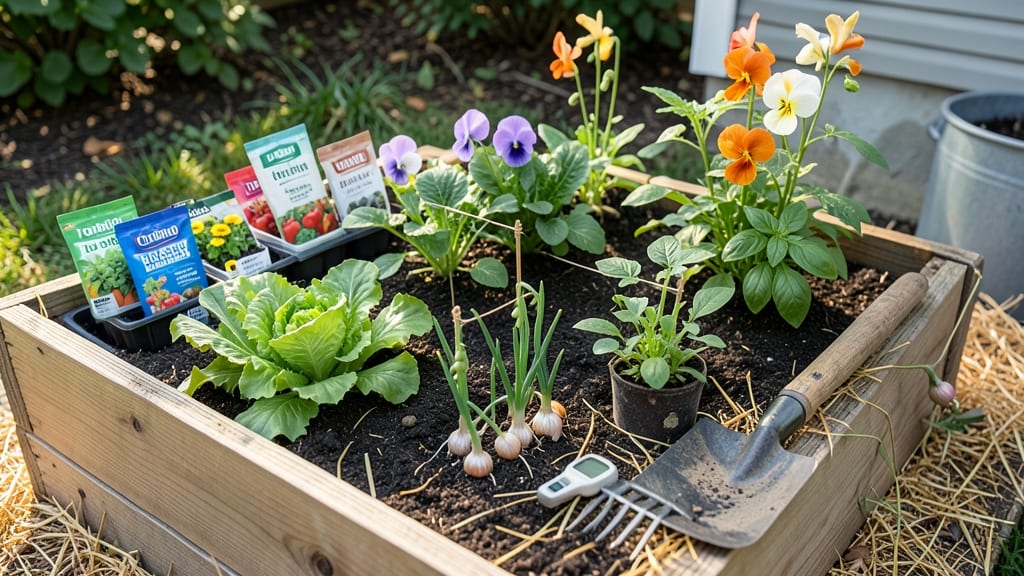
Should you plant your Maryland garden in early spring or wait until the last frost has passed? Timing is everything for a thriving harvest.
Maryland’s unpredictable frost dates can turn a gardener’s excitement into guesswork—plant too early and risk losing your crops, too late and miss peak harvests. But with the right frost-free timeline, you can master the perfect planting schedule for your Maryland garden.
The key is understanding your USDA zone—whether you’re in Zone 5b or Zone 8a—and adjusting for regional differences like coastal breezes or inland heat.
Cool-season crops like lettuce and peas can go in as early as March, while tomatoes and peppers need to wait until after May 15 in most areas.
In this guide, I’ll break down the best planting months for your favorite vegetables, flowers, and perennials, plus how to handle late frosts or early heatwaves. Ready to grow a garden that flourishes from seed to harvest?
Maryland’s frost dates by region: when to plant cool-season vs warm-season crops
Maryland spans USDA Zones 5b through 7a, meaning frost dates vary dramatically from the cooler mountains of Western Maryland to the warmer coastal areas near Baltimore. Understanding these regional differences is key to avoiding frost damage or missed harvests.
For example, Baltimore’s last spring frost typically occurs around April 15, while Frederick in Western Maryland often sees frost until May 1. These timing shifts can mean the difference between a thriving garden and wasted seeds.
Cool-season crops like lettuce, spinach, and peas thrive when soil temperatures hover between 40°F and 65°F. In Maryland, this window opens as early as late February in Zone 7a (eastern shore) but waits until mid-March in Zone 5b (Western Maryland).
Meanwhile, warm-season crops like tomatoes and peppers need soil temperatures above 60°F—a threshold usually met by late April to early May in most regions, but June in cooler microclimates.
Here’s how Maryland’s three primary regions—Western, Central, and Eastern—differ in their frost-free timelines, along with the ideal planting windows for your most popular crops:
For cool-season crops, prioritize lettuce, spinach, and peas in early spring. In Zone 5b, start seeds indoors by February 1 for a March transplant. In Zone 7a, you can direct-sow lettuce as early as February 20 if using frost cloth.
These crops also tolerate light frosts, so don’t rush to harvest before the first fall frost—flavors often sweeten with cold exposure.
Warm-season crops like tomatoes, peppers, and cucumbers demand patience. In Western Maryland, wait until after May 15 to plant tomatoes, as earlier starts risk frost damage.
In Eastern Maryland, you can plant as early as April 15, but use black plastic mulch to warm the soil faster. For peppers, which are especially sensitive, delay planting until soil temperatures consistently reach 70°F—often late May to early June in cooler zones.
Microclimates add another layer of complexity. Urban areas like Baltimore experience heat islands, allowing earlier planting of warm-season crops by 1–2 weeks compared to rural areas. Conversely, valleys and low-lying spots in Western Maryland can hold frost longer, requiring 2–3 week delays for warm-season starts.
Observe your yard’s behavior: Does frost linger in shady spots? Adjust planting dates accordingly.
Fall planting offers a second chance for cool-season crops. In Zone 7a, you can sow spinach and kale as late as September 15 for a harvest before the first frost. In Zone 5b, aim for August 1–15 to ensure maturity. For warm-season crops, consider fall
Step-by-step planting calendar for Maryland’s most popular vegetables and flowers
Maryland gardeners know timing is everything—plant your broccoli too early, and a late frost will wipe it out. Plant your tomatoes too late, and you’ll miss summer harvests.
The key is aligning your planting with Maryland’s USDA Zones 5b-7a and average frost dates (typically mid-April to mid-October, but varies by region). This month-by-month guide covers 12 top crops and includes succession planting tricks to stretch your growing season.
For cool-season crops like lettuce and peas, start in early spring or late summer for fall harvests. Warm-season crops like cucumbers and marigolds need to wait until after the last frost.
Use this calendar as your roadmap, but always check your local soil temperature—a soil thermometer is your best friend for accuracy. Maryland’s coastal areas (like Annapolis) often warm up faster than inland spots (like Hagerstown), so adjust accordingly.
🌱
| Plant | Best Planting Months | Succession Planting Tip | Harvest Window |
|---|---|---|---|
| Broccoli | March-April, August-September | Sow every 2 weeks for continuous harvest | June-July, October-November |
| Tomatoes | May-June (after frost) | Use frost cloth for early starts | July-October |
| Cucumbers | May-June | Trellis for space-saving | July-September |
| Lettuce | March-April, August-September | Shade cloth in summer | May-June, September-October |
| Marigolds | May-June | Deadhead for longer blooms | June-Frost |
| Peppers | May-June (start indoors) | Use black plastic mulch | August-November |
| Zinnias | May-July | Pinch back for bushier growth | July-Frost |
| Carrots | March-April, July-August | Sow in loose soil | May-June, September-October |
| Basil | May-June (after frost) | Harvest leaves for bushier plants | June-September |
| Sunflowers | May-June | Stake tall varieties | July-September |
| Peas | March-April, August-September | Trellis for vertical growth | May-June, September-October |
| Nasturtiums | May-July | Edible flowers for salads | June-Frost |
Start your cool-season crops like broccoli and peas in March for early harvests, but be ready to protect them with frost cloth if temperatures dip below 28°F. For warm-season crops, wait until mid-May when soil temperatures consistently stay above 60°F.
My personal trick? Plant marigolds in early June—they repel pests and add vibrant color to your garden.
Succession planting is your secret weapon. For example, sow lettuce every 2 weeks from March through August to avoid bolting (going to seed). Similarly, bush beans can be planted every 3 weeks from May until July for a steady supply. This method maximizes your space and ensures you’re never without