
Tools
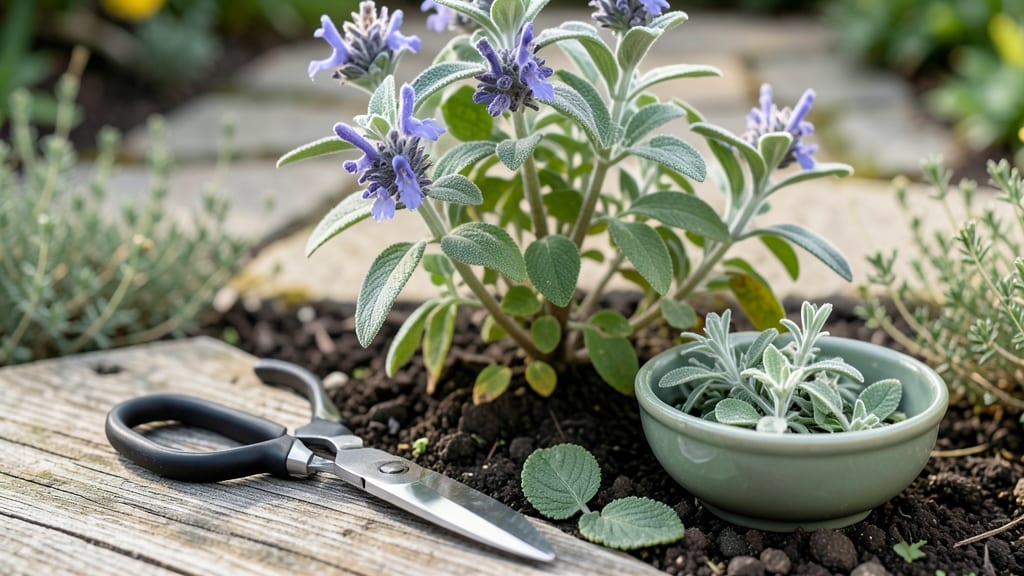
Yes, garden sage is edible and widely used in cooking, offering a savory, slightly peppery flavor perfect for poultry, stuffings, and Mediterranean dishes. Always harvest fresh leaves from pesticide-free plants for best results.
Garden sage isn't just edible—it's a kitchen staple with a bold, earthy profile that elevates countless dishes. 🌿 The leaves contain beneficial compounds like rosmarinic acid, which contribute to its distinctive flavor while offering antioxidant properties.
While rare, some individuals may experience sensitivity to thujone (a natural compound in sage), so moderation is key—especially for those with epilepsy or migraines.
Fresh sage shines in recipes like sage butter for pasta or as a seasoning for roasted chicken, but dried leaves work too when stored properly in airtight containers.
For best results, harvest leaves just before they flower for maximum potency, and avoid using wilted or yellowed foliage. The plant's hardy nature makes it a favorite for home gardeners, but always source from trusted suppliers to ensure safety.
Whether you're making a classic sage and onion stuffing or infusing olive oil, this herb brings depth to any dish.
💡 In This Article
- Botanical Profile and Culinary Safety of Garden Sage
- Top Sage-Based Recipes and Cooking Techniques
Botanical profile and culinary safety of garden sage
Garden sage, scientifically known as Salvia officinalis, belongs to the mint family (Lamiaceae) and has been used for over 4,000 years in both culinary and medicinal traditions.
The plant's leaves contain essential oils like thujone (responsible for its peppery kick) and rosmarinic acid, which contribute to its antioxidant properties. These compounds also give sage its characteristic aroma and flavor profile—earthy, slightly piney, with a subtle peppery finish that intensifies when cooked. 🌿
While sage is generally safe for consumption, its thujone content warrants caution. The FDA considers sage's thujone levels too low to pose risks for most people, but excessive intake (like consuming large amounts of sage tea daily) could trigger headaches or neurological symptoms in sensitive individuals.
Historical records show ancient Greeks and Romans used sage medicinally, but modern research confirms that culinary amounts—like those in a typical recipe—are perfectly safe when sourced from pesticide-free plants.
The key to safe consumption lies in proper harvesting and preparation. Fresh leaves should be vibrant green and free of yellowing or browning, as these signs indicate oxidation and reduced potency.
When harvesting, focus on the younger, tender leaves near the tips, as they contain the highest concentration of flavorful oils. Dried sage retains its flavor but loses some potency—about 20% of its fresh aroma—so adjust your measurements accordingly when substituting in recipes.
Storage plays a critical role in maintaining safety and flavor. Fresh sage lasts 5-7 days in the fridge wrapped in a damp paper towel, while dried sage keeps its flavor for 1-2 years in an airtight container away from light and moisture.
The plant's hardy nature makes it resistant to pests, but always avoid sage grown near roadsides or treated with chemical pesticides, as these can leave harmful residues on the leaves.
For those with specific health concerns, sage's culinary use remains low-risk when consumed in moderation. The herb's historical reputation as a "memory herb" stems from its cognitive benefits, but its primary role in modern kitchens is as a flavor enhancer.
Pairing sage with complementary herbs like rosemary, thyme, or bay leaf can amplify its earthy notes while balancing its intensity in dishes.
What most people don't realize is that sage's safety extends beyond its leaves. The flowers are also edible and can be used as a garnish or infused in oils, though they're milder in flavor. The stems are tough and fibrous, so they're typically discarded unless you're making a strong tea.
This versatility makes sage one of the most adaptable herbs in the culinary world, from savory dishes to herbal remedies. ✨