
Light Requirements
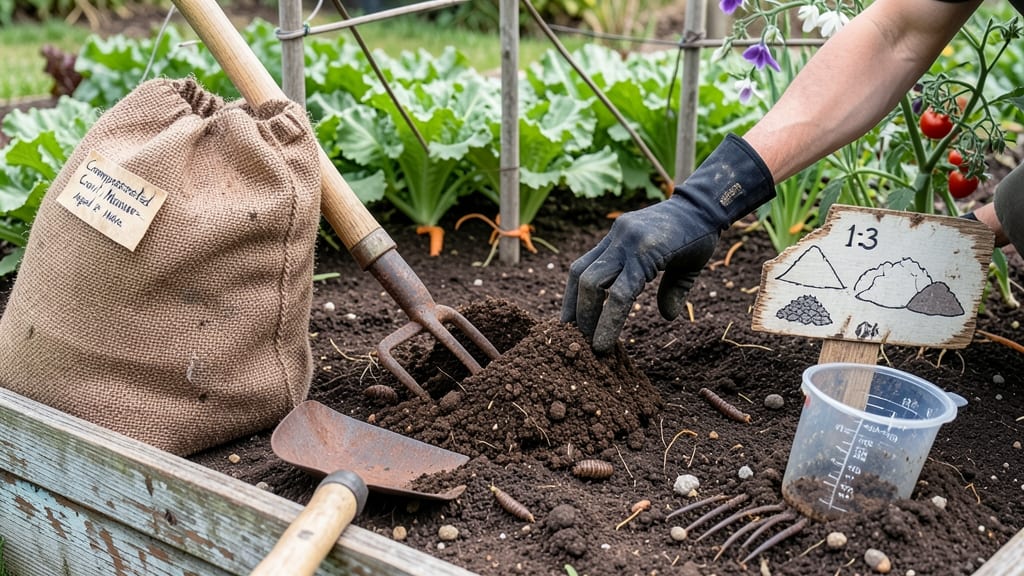
To determine how much cow manure for garden use, apply 1 inch of well-aged composted manure per square yard for general soil health, reduce to ½ inch for sensitive crops like lettuce or strawberries, and always avoid fresh manure to protect plant roots. Work it into the top 6 inches of soil before planting or spread on established beds during spring or fall.
Cow manure transforms soil by boosting organic matter and microbial life, but the key is aging it first.
Fresh manure burns plants due to high ammonia levels, while well-composted manure (6+ months) delivers balanced nutrients without harm. 🌱 For heavy feeders like tomatoes, I often double the rate to 2 inches per square yard in spring, then top-dress again in summer.
The secret lies in patience—properly aged manure works like nature's slow-release fertilizer, improving soil structure over time.
Different plants have unique needs: leafy greens thrive with just ½ inch due to their sensitivity, while nitrogen-hungry crops like corn benefit from up to 2 inches. Always test your soil first—sandy soils need more frequent applications, while clay holds nutrients longer.
Mixing manure with compost creates the perfect balance, giving your garden a nutrient boost without overwhelming delicate roots.
💡 In This Article
- Cow Manure Nutrient Breakdown: N-P-K Ratios and Soil Impact
- Plant-Specific Cow Manure Application Guide for Vegetables, Flowers, and Lawns
Cow manure nutrient breakdown: N-P-K ratios and soil impact
Aged cow manure typically contains a balanced nutrient profile of about 0.5-1.0% nitrogen (N), 0.2-0.5% phosphorus (P), and 0.4-0.7% potassium (K) by weight. This ratio makes it ideal for general soil enrichment, though it's not as concentrated as synthetic fertilizers.
The magic happens during composting: microbial breakdown converts complex organic matter into plant-available nutrients while reducing ammonia volatility (which can burn roots in fresh manure). Over 6-12 months of composting, the nitrogen content stabilizes, making it safer for plants while preserving the organic matter that improves soil structure.
The real power of cow manure lies in its secondary nutrients and micronutrients—calcium, magnesium, and sulfur—which enhance soil chemistry without the salt buildup of chemical fertilizers. Fresh manure tests at 4-5% nitrogen but releases most of it as ammonia gas, which is why it's toxic to plants.
Aging transforms this into slow-release organic nitrogen that feeds soil microbes first, which then make nutrients available to plants over weeks. The organic matter also improves water retention by 20-30% compared to mineral soils, creating a sponge-like environment that reduces irrigation needs.
For gardeners, this means aged manure acts as both a fertilizer and soil conditioner. The humus formed during composting creates tiny pores that aerate roots while holding moisture—critical for drought-prone areas. I've seen clay soils transform from hardpan to crumbly loam after just one season of manure applications.
The key is consistency: annual applications of 1-2 inches per square yard maintain this structure, while heavy feeders like corn or squash benefit from 2-3 inches in spring followed by a summer top-dressing.
Soil type dictates how quickly nutrients become available. Sandy soils release nutrients faster (ideal for fast-growing plants) but require more frequent applications, while clay holds nutrients longer but may need additional aeration. A simple test: press a handful of moistened soil—if it crumbles easily, your soil is ready for manure.
If it forms a tight ball, work in compost first to improve structure before adding manure.
What most gardeners overlook is the microbiome boost—aged manure introduces beneficial bacteria and fungi that break down organic matter and suppress pathogens. Studies show soils amended with manure have 30-50% more microbial activity than unamended soils, which translates to healthier plants and better disease resistance.
The trade-off? Manure's high carbon content means it needs nitrogen to decompose properly—always mix with nitrogen-rich materials like grass clippings or blood meal if composting at home.
For maximum benefits, aim for 6-12 months of composting before garden use. Fresh manure may seem convenient, but its pH can drop below 6.5 as it decomposes, creating an acidic environment harmful to most plants.
The composting process also reduces weed seeds—fresh manure can introduce thousands of viable seeds per pound, while properly aged manure contains fewer than 100.
Pro tip: Mix manure with equal parts compost to balance nutrients and improve texture. This combo delivers 3-4 times more organic matter than manure alone, creating the ideal growing medium for both vegetables and ornamentals. 🌱