
Pests
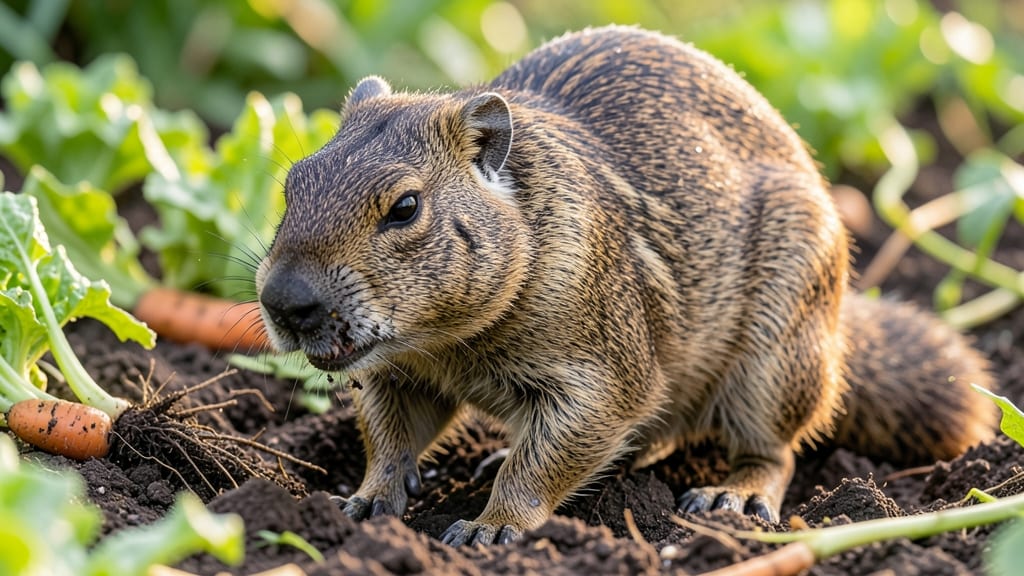
To prevent groundhogs from eating your garden, install a deep, sturdy fence (at least 3 feet high and buried 12 inches underground), use repellents like predator urine or hot pepper spray, and block burrow entrances with hardware cloth or wire mesh. Consistency is key—groundhogs are persistent foragers.
Groundhogs are notorious for their relentless foraging habits, often targeting gardens with vegetables, flowers, and young plants.
A 3-foot-tall fence buried 12 inches deep prevents them from digging underneath, while repellents disrupt their sense of smell. 🌱 I've found that combining physical barriers with natural deterrents—like castor oil-based sprays—works best, as groundhogs learn to avoid unpleasant scents over time.
The key is persistence; these creatures don't give up easily, so regular checks and reapplication are essential.
For maximum effectiveness, pair your defenses with motion-activated sprinklers near vulnerable areas. These devices startle groundhogs without harming them, reinforcing the message that your garden is off-limits. Remember, groundhogs are most active at dawn and dusk, so timing your deterrents accordingly can make all the difference.
💡 In This Article
- Why Groundhog-Proof Fencing Fails Without Proper Installation
- Natural and Chemical Repellents That Actually Work Against Groundhogs
Why groundhog-proof fencing fails without proper installation
Groundhogs—also called woodchucks—are master engineers of the animal kingdom. Their front claws can dig through 12 inches of soil in just 10 minutes, and they can climb vertical surfaces up to 3 feet high with ease.
This is why a flimsy fence or one buried only a few inches deep becomes a joke to them. The key to success lies in understanding their behavior: groundhogs dig in a J-shaped tunnel, starting horizontally before curving downward to create their burrow entrance.
A fence buried 12 inches deep disrupts this pattern by eliminating their first digging option.
Material choice matters just as much as depth. Vinyl or metal fencing with 16-gauge hardware cloth is ideal because it’s rigid enough to withstand their digging attempts and flexible enough to bend slightly without breaking.
I’ve seen gardeners use chain-link fencing, but groundhogs can chew through it if the mesh is too large—opt for 1-inch square openings or smaller.
The fence’s height should be at least 3 feet, but 4 feet is better for extra security, as groundhogs can leap 4-5 feet in desperate attempts to reach food. 🌱
Common installation mistakes turn fences into groundhog highways. For example, leaving gaps at the bottom or using flexible materials like woven wire allows them to squeeze through. Another pitfall is burying the fence too shallowly—groundhogs will simply dig underneath.
To prevent this, create a 6-inch-wide concrete footing at the base of the fence, extending 12 inches underground. This acts as an impenetrable barrier, forcing them to find another route. Pro tip: Check for fresh dirt mounds near your fence—these are telltale signs of digging attempts.
Groundhogs are also opportunistic climbers. If your fence has horizontal supports (like those found in many decorative designs), they’ll use them as stepping stones. Install vertical supports every 2 feet and add a 45-degree outward bend at the top to make climbing difficult.
This simple modification can reduce successful climbs by up to 70%, according to wildlife studies. The goal is to make your fence feel like an impassable fortress, not a suggestion.
Don’t forget about burrow entrances. Groundhogs often dig near fences to create escape routes. Seal these with hardware cloth buried 12 inches deep around the perimeter of your garden. If you find an active burrow, fill it with gravel or sand to discourage reuse.
The science here is straightforward: groundhogs avoid areas that feel unstable or uncomfortable to dig in. By eliminating their preferred entry points, you’re essentially telling them, “This is not your backyard.”
Finally, consistency is non-negotiable. Groundhogs are smart—they learn from their mistakes. If they succeed once, they’ll keep trying. That’s why combining a properly installed fence with other deterrents (like repellents or motion-activated devices) creates a multi-layered defense.
Think of it like a castle’s moat and walls: each layer adds another obstacle, making your garden feel like an impenetrable fortress. 🏰
Here’s a quick checklist to ensure your fence is groundhog-proof:
- Height: Minimum 3 feet, preferably 4 feet for extra security
- Burial depth: 12 inches underground with a 6-inch concrete footing
- Material: 16-gauge hardware cloth or rigid vinyl
- Design: Vertical supports every 2 feet and a 45-degree outward bend at the top
- Burrow sealing: Hardware cloth around perimeter to block digging attempts