
Watering
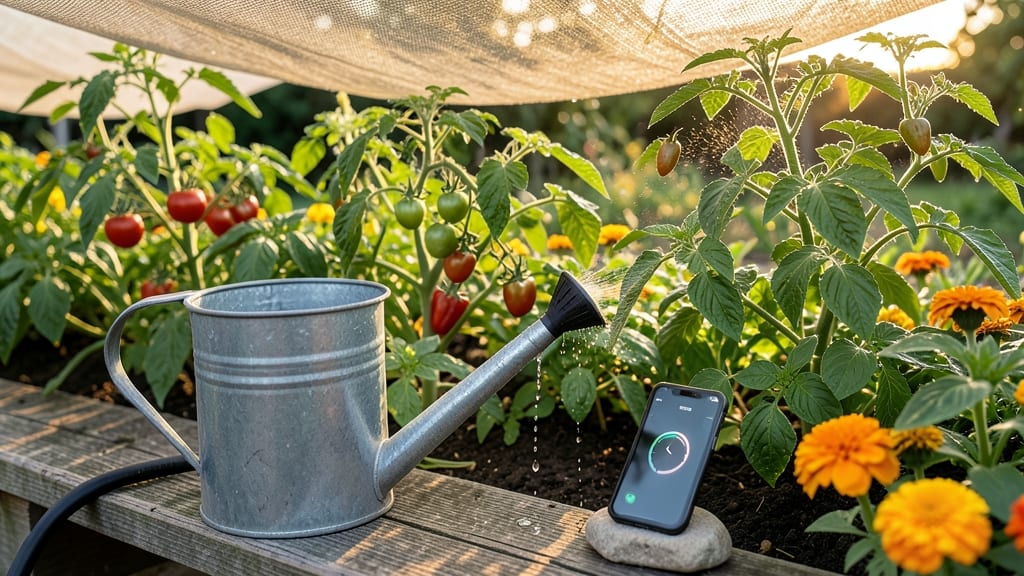
To water garden plants in summer correctly, aim for deep soaks every 2–3 days—but that’s just the starting point, not the rule.
Summer’s scorching heat can turn your lush garden into a crispy wasteland if you don’t water wisely—but guessing how often is a recipe for over- or under-watering. The right schedule depends on plant types, soil, and climate, and getting it wrong can mean lost harvests or wasted water.
Vegetables like tomatoes and peppers need daily watering in extreme heat, while drought-tolerant ornamentals can stretch to once a week. Sandy soil drains fast, while clay holds moisture longer—so your neighbor’s schedule won’t match yours.
Below, I break down the science behind summer watering, including soil checks, plant-specific needs, and tools like mulch and drip irrigation to keep your 🌱 garden thriving without the guesswork.
Science-backed watering frequency by plant type (summer guide)
Summer’s intense heat demands a precise watering schedule—but one size doesn’t fit all. Vegetables like tomatoes need daily hydration in extreme heat, while drought-tolerant lavender thrives on weekly deep soakings.
The key lies in understanding root depth, soil type, and plant drought tolerance. Clay soil retains moisture longer than sandy soil, so adjust your schedule accordingly to avoid soggy roots or parched leaves.
Your garden’s microclimate also plays a role. South-facing beds dry out faster than shaded areas, and container plants need twice the frequency of in-ground varieties. By matching watering to these factors, you’ll conserve water, boost yields, and keep your garden lush—without the guesswork.
Let’s break down the science-backed schedules for your summer garden.
| Plant Type | Root Depth | Summer Watering Frequency | Soil Adjustments | Drought Tolerance |
|---|---|---|---|---|
| Vegetables (Tomatoes, Peppers, Lettuce) | 6-12 inches | Daily (1-2 inches water) | Clay: Every 2 days; Sandy: Daily | Low-Medium |
| Flowers (Marigolds, Petunias, Zinnias) | 4-8 inches | Every 2-3 days (1 inch water) | Clay: Every 3 days; Sandy: Every 2 days | Medium |
| Herbs (Basil, Cilantro, Parsley) | 3-6 inches | Every 1-2 days (½ inch water) | Clay: Every 2 days; Sandy: Daily | Low |
| Shrubs (Buchs, Hydrangeas, Boxwood) | 12-24 inches | Weekly (deep soak) | Clay: Every 10 days; Sandy: Weekly | Medium-High |
| Trees (Fruit Trees, Young Maple) | 24+ inches | Every 7-14 days (3-5 gallons) | Clay: Every 2 weeks; Sandy: Weekly | High |
| Drought-Tolerant Plants (Lavender, Succulents, Yucca) | 6-12 inches | Every 7-10 days (deep soak) | Clay: Every 14 days; Sandy: Weekly | Very High |
For vegetables like tomatoes, shallow roots mean frequent, light waterings to prevent blossom-end rot.
Aim for 1-2 inches of water per week, delivered in the early morning to reduce evaporation and fungal risks. Container-grown veggies dry out faster—check soil moisture daily and water until it drains from the bottom.
When it comes to flowers and herbs, consistency is key. Marigolds and zinnias wilt quickly in heat but bounce back with **daily mist
5 Signs your garden is over- or under-watered (and how to fix it)
Summer’s intense heat can trick even experienced gardeners into over- or under-watering their plants. The key is learning to read your garden’s visual cues—wilting leaves, yellowing foliage, or soil that’s either bone-dry or soggy.
These signs often appear before damage becomes irreversible, so acting quickly can save your plants from stress, disease, or even death.
I’ve seen firsthand how a simple soil moisture test (just stick your finger 1-2 inches deep) can prevent costly mistakes. Overwatering is just as harmful as underwatering—it suffocates roots, invites fungal diseases like root rot, and wastes precious water.
Let’s break down the 5 most common warning signs and how to fix them before your garden suffers.
If your plants show wilting leaves that don’t recover after watering, it’s often a sign of underwatering—especially in sandy soil that drains too quickly. For these plants, water deeply (1-2 inches per week) in the early morning to encourage root growth.
A moisture meter ($15-$25) takes the guesswork out of this—just insert it into the soil to check moisture levels before watering.
On the flip side, yellowing leaves paired with mushrooms on soil mean you’re overwatering. Reduce frequency immediately and improve drainage by adding organic matter (compost or coconut coir) or creating raised beds if your garden sits in a low spot.
For potted plants, ensure containers have drainage holes and avoid letting them sit in saucers of water.
For stunted growth, adjust your watering schedule based on plant type—vegetables like tomatoes need 1-2 inches per week, while succulents thrive on weekly deep soaks followed by dry spells.
Mulching with straw or wood chips helps retain moisture while preventing soil compaction, which can strangle roots. If you’re unsure, group plants with similar water needs together for easier care.
Tools like drip irrigation systems or smart sprinklers automate watering while delivering consistent moisture—perfect for summer when evaporation rates skyrocket. Even a simple watering can with a long spout lets you target roots directly, reducing waste.
The goal is consistency: better to water deeply less often than shallowly every day.
Remember, every garden is unique. Factors like climate, soil type, and plant species play huge roles in how often you should water. Start with these 5 signs, adjust your routine, and soon you’ll have a thriving garden that’s neither parched nor drowning. 💧