
Planting
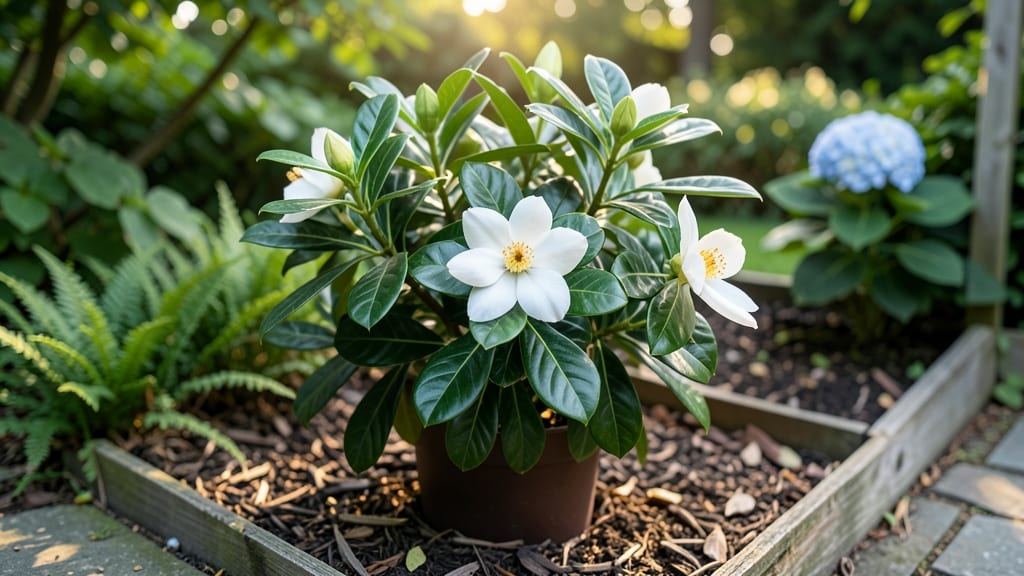
Understanding gardenia plant size is the key to fitting these fragrant shrubs into your garden without them becoming unruly giants.
If you’ve ever dreamed of fragrant, glossy gardenias but worried about them outgrowing your space, you’re not alone—these tropical beauties can reach 4 to 6 feet tall if left unchecked.
The good news? With the right care, you can keep them compact, encourage more blooms, and even grow them in containers.
Size depends on the variety—dwarf types stay under 3 feet, while standard shrubs can stretch toward 8 feet—but pruning, sunlight, and soil all play a role. Below, I’ll break down how to manage their growth so your gardenias stay lush, fragrant, and perfectly sized for your space.
Whether you’re planning a garden bed or a patio pot, you’ll learn how to control their height, spread, and even train them into small trees. Let’s get started!
How tall do gardenia plants grow naturally and how to control their size
Gardenia plants are prized for their intense fragrance and glossy, dark green foliage, but their mature size can vary dramatically depending on the variety and care. In nature, gardenias can grow into small trees, reaching heights of 6 to 10 feet with proper conditions.
However, most gardeners cultivate them as shrubs or compact bushes for easier maintenance and better bloom production.
If you're planning your garden layout or choosing a gardenia for a container garden, understanding their growth habits is key. The spread of gardenias is nearly as wide as their height, creating a rounded, lush canopy that thrives in humid climates.
Without pruning, these plants can quickly dominate a garden bed, so knowing how to control their size will help you keep them in check while enjoying their beauty.
🌱 Comparison Table: Gardenia Plant Sizes by Variety
| Variety | Mature Height | Mature Spread | Growth Rate | Best For |
|---|---|---|---|---|
| Kleim’s Hardy | 3-5 ft | 3-5 ft | Moderate | Cold-hardy gardens, containers |
| Radicans (Clematis) | 6-10 ft | 4-6 ft | Fast | Trellises, large gardens |
| Fortuniana | 10-15 ft | 8-10 ft | Very Fast | Large landscapes, privacy screens |
| Dwarf Gardenia | 1-3 ft | 2-3 ft | Slow | Containers, small gardens, patios |
| Veitchii | 4-6 ft | 4-5 ft | Moderate | Garden beds, borders |
The dwarf varieties, like the Dwarf Gardenia, are perfect for containers or small gardens, rarely exceeding 3 feet in height. These compact plants produce proportionally large blooms relative to their size, making them ideal for patio planters or balcony gardens.
Meanwhile, the Radicans and Fortuniana varieties can grow into small trees, making them better suited for large landscapes or as privacy screens.
If you're growing gardenias in containers, size control becomes even more critical. Root-bound plants will struggle to bloom and may become vulnerable to pests.
To keep them manageable, choose a container at least 12 inches wide and 18 inches deep for dwarf varieties, and prune regularly to encourage bushier growth. Always use a well-draining potting mix with pearlite or orchid bark to prevent root rot.
One of the biggest factors influencing gardenia size is pruning frequency. Pruning not only controls height but also stimulates bushier growth and encourages more blooms.
I recommend pruning twice a year: once in early spring to shape the plant and again in late summer to remove spent flowers. Always use clean, sharp pruners and make cuts just above a leaf node to promote new growth.
Light exposure plays a huge role in gardenia growth. While these plants thrive in partial shade, too little light can lead to leggy growth and fewer blooms. If
Best pruning methods to keep gardenias compact and blooming
Pruning gardenias isn’t just about keeping them from sprawling—it’s the secret to bushier growth and more abundant blooms. These tropical shrubs naturally grow 4-6 feet tall, but with the right techniques, you can shape them into compact bushes or even small trees.
The key is timing, tools, and knowing where to cut.
I’ve pruned gardenias for years, and I’ve learned that early spring is the best time to prune for size control. This gives your plant plenty of time to recover and produce new growth before summer heat sets in.
Avoid pruning in late summer or fall, as this can stunt next year’s blooms.
Before you grab your shears, gather these essential tools: sharp bypass pruners for clean cuts, sterilized alcohol wipes to prevent disease, and gloves to protect your hands from sap. Never use dull tools—ragged cuts invite pests and diseases, which gardenias hate.
⚠️ WARNING: Pruning Mistakes That Stunt Your Gardenia
⚠️ Avoid These Pruning Pitfalls
- Cutting too late in the season (after August) delays new growth and blooms.
- Removing more than 1/3 of the plant at once can shock it and reduce flowering.
- Pruning old wood (brown stems) instead of new growth—this kills blooming potential.
- Using dull tools creates jagged cuts that invite fungal infections.
Gardenias are delicate—treat them with care to keep them thriving!
To encourage bushier growth, focus on selective pruning. Cut back overly long branches by one-third to promote branching. Always make cuts just above a leaf node (the bump where leaves grow) to encourage new shoots. For a compact shape, prune the outermost growth first, then work inward.
After pruning, give your gardenia a light fertilizer with high phosphorus (the middle number in NPK) to support new blooms. Water deeply but avoid soaking the leaves, which can cause fungal issues. With consistent care, your gardenia will reward you with dense foliage and fragrant flowers all season.
Remember, gardenias respond well to regular light pruning throughout the growing season. A little effort now means years of lush, manageable growth—and who doesn’t love a fragrant, well-behaved shrub? 🌸