
Light Requirements
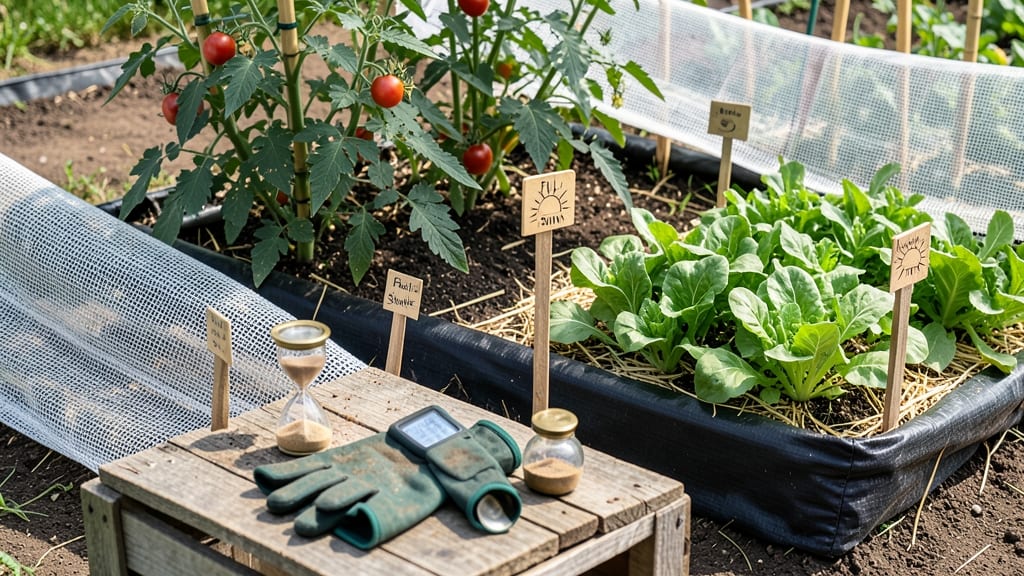
A veggie garden needs how much sun does a veggie garden need—specifically 6 to 8 hours of sunlight daily—to thrive, yet many gardeners either drown their plants in too much heat or leave them starving for light.
Picture this: your tomatoes are wilting under the midday sun while your lettuce bolts to seed before you can even pick it. That’s not just bad luck—it’s a mismatch between what your plants need and what your garden delivers.
The key is knowing which crops crave full sun, which tolerate partial shade, and how to tweak your layout when your yard doesn’t offer perfect conditions.
Here’s the game-changer: most vegetables fall into three simple categories—full-sun lovers, moderate-light adapters, and low-light survivors—and a few minutes of planning can turn a struggling patch into a productive powerhouse.
Below, I’ll break down the exact light requirements for every type, plus tricks to stretch sunlight where it’s scarce or shield delicate greens when the sun gets too intense.
Whether you’re working with a bright south-facing plot or a shady corner, you’ll learn how to map your garden’s sunlight patterns, adjust spacing for optimal airflow, and even use reflective surfaces to trick plants into thinking they’re getting more light. Ready to stop guessing and start growing?

Sunlight requirements for vegetables: full sun vs. partial shade breakdown
Understanding sunlight requirements for your vegetable garden is the first step to a bountiful harvest. Most gardeners assume all plants need full sun exposure, but the truth is far more nuanced. Some vegetables thrive under bright sunlight all day, while others bolt or wilt if exposed too long.
Let's break down exactly how much sun your veggie garden needs—and how to match plants to your garden's natural light patterns.
When selecting plants, always check the sunlight labels on seed packets or plant tags. Terms like "full sun", "partial shade", and "full shade" aren't just marketing fluff—they're critical clues for success.
For example, a tomato plant labeled for 6-8 hours of sun will struggle if planted in a shady corner, while leafy greens like spinach might bolt in intense afternoon heat. Let's decode these labels and match them to your garden's microclimates.
🌱
Let's start with the full sun vegetables, which demand the most light—typically 6-8 hours of direct sunlight daily. These are your fruit-bearing crops like tomatoes, peppers, and eggplants. Without enough sun, they won't produce flowers, let alone fruit.
For example, my heirloom tomato plants need at least 8 hours of sun to ripen properly. If your garden only gets 5-6 hours, consider growing cherry tomatoes or bush varieties, which tolerate slightly less light.
Next, we have partial sun vegetables, which thrive with 4-6 hours of sunlight. These are often leafy greens or root vegetables that can handle some afternoon shade. For instance, green beans and carrots grow well in this range.
In my garden, I plant these along the north side of taller plants like corn or sunflowers, where they get morning sun but stay cooler in the afternoon. This strategy works especially well in hot climates where afternoon sun can scorch tender leaves.
For partial shade vegetables, think of them as the middle ground with 3-4 hours of sunlight. These plants often come from cooler climates and bolt quickly in intense heat. Spinach and kale are classic examples.
In my Zone 6 garden, I grow these in morning sun with afternoon shade from a nearby fence. If you're in a shadier spot, look for bolt-resistant varieties like 'Winterbor' kale, which handles cooler temps better.
Finally, full shade vegetables are the true underdogs, needing less than 3 hours of direct sunlight. These are perfect for container gardens on patios or shaded beds. Arugula and microgreens thrive here, while lettuce varieties like 'Black Seeded Simpson' tolerate minimal light.
I've even grown radishes in full shade with success—just be prepared for slower growth and smaller yields compared to sunnier spots.
🌿
Now, let's talk about how to interpret sunlight labels correctly. When you see "full sun" on a seed packet, it typically means <
Adjusting your garden layout for optimal sun exposure
Sunlight isn’t just about the total hours—it’s about when and where your plants receive it. Morning sun warms the soil gently, while afternoon sun can scorch tender leaves. I’ve learned the hard way that rotating crops based on sun patterns can double your harvest.
Start by mapping your garden’s sunlight zones: full sun (6+ hours), partial shade (3-6 hours), and full shade (less than 3 hours).
Use a simple trick: place a white board or chalkboard in different garden spots for a week. Mark the sun’s path with chalk every hour. You’ll quickly see which areas get morning light only or afternoon heat. This visual map becomes your garden’s blueprint for optimal placement.
For full-sun crops like tomatoes or squash, group them together to make efficient use of space. I’ve seen gardeners waste precious sunlight by scattering 6-hour plants across shady corners.
Instead, dedicate a south-facing bed (in the Northern Hemisphere) for sun-hungry veggies and reserve north or east-facing areas for partial-shade plants.
Don’t forget to monitor seasonal changes. A spot that gets full sun in June might be partially shaded in September. Use seasonal shade cloths or adjustable trellises to adapt.
For example, my basil plants thrive in morning sun but bolt in July’s afternoon heat—I now move them to a 50% shade cloth by midday.
Create a sun exposure checklist before planting: ☑️ Map your garden’s sunlight zones (use the white board trick) ☑️ Group plants by sun needs (full sun, partial shade, full shade) ☑️ Rotate crops annually to balance soil nutrients and sun exposure ☑️ Use shade cloths or companion planting to supplement light ☑️ Adjust for seasonal sun shifts (summer vs. spring/fall) ☑️ Test soil temperature—cool soil slows growth even with enough light
With these adjustments, you’ll transform your garden from a hit-or-miss experiment to a precision-grown harvest. Start small: pick one bed to map this season, and watch your plants respond with healthier growth and bigger yields. The key is observing—and then adapting—your garden’s unique sunlight story. 🌱