
Light Requirements
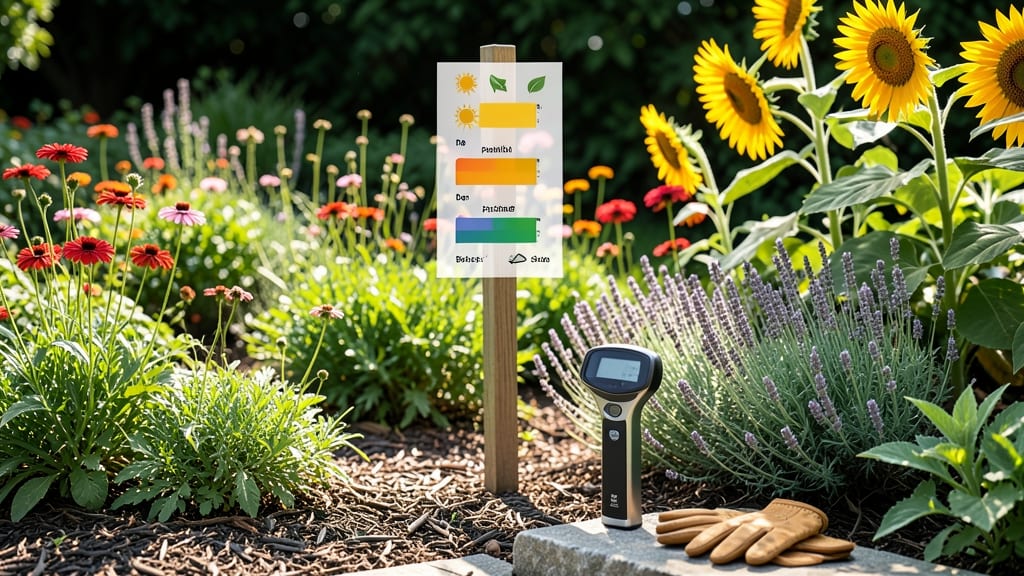
To determine how much sun a garden needs, most vegetables require 6-8 hours of sunlight daily, while flowering plants thrive with 4-6 hours, and shade-loving plants do well in 2-4 hours. Regional climate zones significantly impact these needs, particularly in high-altitude or coastal areas.
Sunlight acts as the primary energy source for photosynthesis, but the exact amount varies dramatically depending on what you're growing. 🌱 For example, leafy greens like spinach often tolerate partial shade better than sun-loving tomatoes, which wilt without their full 6-8 hours.
Coastal gardens might need adjustments too—salt spray and intense UV rays can stress plants, so positioning them slightly farther from direct exposure often helps. I've found that tracking seasonal sun patterns (like shorter winter days) is key to avoiding over- or under-exposure, especially for delicate annuals.
Another factor to consider is light quality—direct sun provides more intense energy, while filtered light through trees creates a gentler environment. Morning sun is often less harsh than afternoon rays, making it ideal for tender plants.
If you're in a hot climate, providing afternoon shade can prevent leaf scorch while still meeting the plant's total sunlight needs. The goal is balance: too little light stunts growth, while too much can damage foliage.
💡 In This Article
- Sunlight Requirements by Plant Type: Full Sun vs Partial Shade
- Adjusting Sunlight Exposure for Different Climate Zones
Sunlight requirements by plant type: full sun vs partial shade
Sunlight drives photosynthesis, but not all plants need the same intensity. Leafy vegetables like kale and spinach thrive in 3-4 hours of morning sun paired with afternoon shade, while tomatoes and peppers demand 6-8 hours of direct sunlight to produce fruit.
The difference lies in their chlorophyll efficiency: high-light plants have thicker cuticles and more stomata (pores) to handle intense solar energy, whereas shade-loving plants conserve water by reducing these features.
Herbs offer a fascinating middle ground. Basil and rosemary flourish in 6+ hours of sun, but their flavor intensifies when grown in partial shade during peak summer heat.
Meanwhile, parsley and cilantro prefer 4-6 hours of filtered light—too much direct sun causes them to bolt (flower prematurely), turning their leaves bitter. 🌿 This is why many Mediterranean herbs grow best under the dappled light of a pergola or near taller plants that cast gentle shadows.
Flowering plants follow similar rules based on their natural habitats. Sunflowers and marigolds need full sun (6-8 hours) to bloom profusely, while impatiens and ferns thrive in 2-4 hours of indirect light. The key difference?
Full-sun flowers develop thicker stems and more vibrant pigments (like anthocyanins) to protect against UV damage, while shade plants prioritize leaf surface area over flower production to capture whatever light they receive.
Shrubs and perennials often have the most flexibility, but their sunlight needs shift with maturity. Young plants typically require more light to establish strong root systems, while established shrubs like hydrangeas can handle 4-6 hours of sun in cooler climates but need afternoon shade in hot regions.
The science here involves chlorophyll degradation: excessive heat causes chlorophyll to break down faster, leading to leaf scorch—a common problem in high-sun gardens.
Here's a quick reference for common garden categories:
- Full Sun Lovers (6-8 hours): Tomatoes, peppers, sunflowers, lavender, rosemary
- Partial Sun (4-6 hours): Basil, parsley, hydrangeas, impatiens, coleus
- Shade Tolerant (2-4 hours): Ferns, hostas, astilbes, spinach, lettuce
What most gardeners overlook is how light quality changes with the season. In winter, the same garden spot might receive only 4 hours of weak light due to lower sun angles, while summer brings 10+ hours of intense UV exposure.
This seasonal variation explains why some plants thrive in one season but struggle in another—it's not just about hours, but the intensity and angle of that sunlight.