
Light Requirements
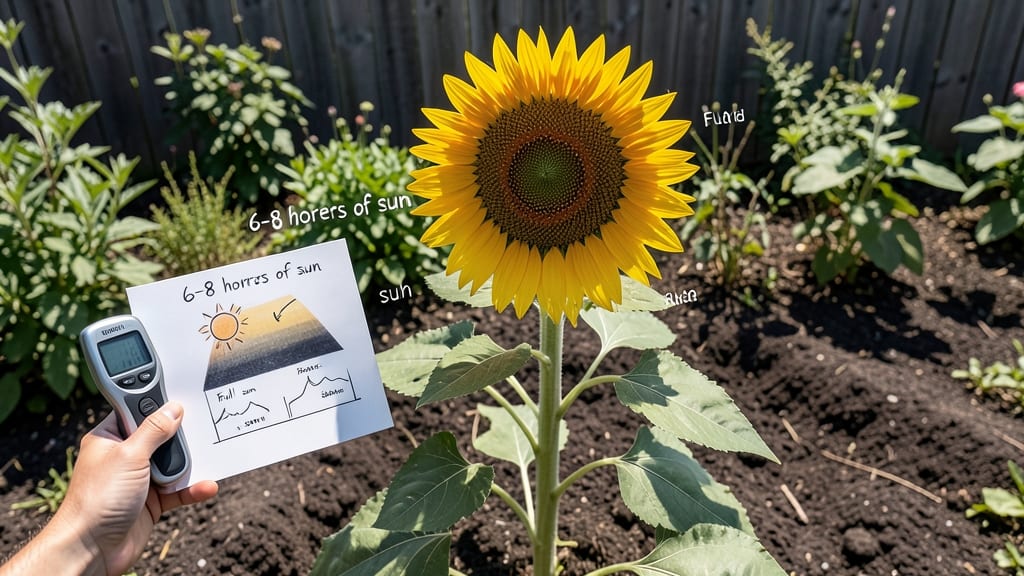
A garden needs 6 to 8 hours of sun daily for most vegetables and flowers, though shade-loving plants thrive with just 2 to 4 hours. Light requirements vary drastically by plant type, climate, and seasonal changes.
A garden's sunlight needs depend entirely on what you're growing.
Most vegetables like tomatoes and peppers demand full sun—6+ hours—to produce abundant fruit, while leafy greens often tolerate 3-6 hours. 🌿 Shade plants such as hostas or ferns, on the other hand, can handle just 2-4 hours of morning sun.
The key is matching plants to your yard's natural light patterns, which can shift dramatically between summer and winter. For example, a spot that gets 8 hours of sun in July might only see 4 in December.
What's interesting is how location affects this. In hot, dry climates, plants often need slightly less direct sun to prevent wilting, while cooler regions can handle more sunlight.
I always recommend observing your garden's light patterns for a few weeks before planting—note when shadows appear and how they move throughout the day. This helps you place sun-loving plants in the brightest spots and reserve partial shade areas for more delicate varieties.
💡 In This Article
- Sunlight Needs by Plant Category: Full Sun vs Partial Shade
- Adjusting Garden Sunlight for Different Climates and Seasons
Sunlight needs by plant category: full sun vs partial shade
Sunlight isn't just about hours—it's about intensity and duration.
Plants fall into three main categories based on their light requirements: full sun (6+ hours), partial shade (3-6 hours), and shade-tolerant (2-4 hours). 🌞 For instance, tomatoes need 6-8 hours of direct sun to produce sweet, flavorful fruit, while their leaves will scorch if exposed to more. The reason?
Tomatoes use sunlight for photosynthesis, but excessive heat can damage their delicate cells. In contrast, leafy greens like spinach thrive in 3-6 hours of filtered light, where they focus on growing lush foliage rather than fruiting.
Flowering plants often have specific needs too. Roses, for example, require 6+ hours of sun to bloom abundantly, but their roots prefer cooler soil—this is why they do well with morning sun and afternoon shade.
The science behind this is fascinating: flowers use light energy to produce pigments and attract pollinators, but too much direct afternoon sun can stress them. Shade-loving plants like ferns or hostas, however, have adapted to low-light conditions by developing broader leaves that capture scattered sunlight more efficiently.
Their roots also grow more horizontally to access moisture in shaded areas.
What most gardeners don't realize is how sun exposure affects plant chemistry. For instance, herbs like basil need 4-6 hours of sun to develop their signature flavors—too little light makes them taste bland.
This happens because sunlight triggers the production of essential oils that give herbs their aroma and taste. 🌿 The same principle applies to vegetables: peppers exposed to 6+ hours of sun develop deeper colors and more potent flavors due to increased carotenoid production.
Meanwhile, root vegetables like carrots can handle 3-6 hours of light, as they focus their energy underground rather than above.
Seasonal variations complicate things further. A spot that gets 8 hours of summer sun might only receive 4 hours in winter due to the sun's lower angle. This is why it's crucial to observe your garden throughout the year.
For example, a north-facing garden in the Northern Hemisphere will naturally receive less sunlight, so you'd want to plant shade-tolerant varieties there. Conversely, south-facing areas can handle sun-loving plants even in cooler months. The key is matching your plants to your yard's natural light patterns, not just the summer conditions.
Here's a quick reference for common plants and their sunlight needs:
- Full Sun (6+ hours): Tomatoes, peppers, roses, lavender, sunflowers
- Partial Shade (3-6 hours): Lettuce, spinach, herbs (basil, parsley), hydrangeas
- Shade-Tolerant (2-4 hours): Ferns, hostas, astilbe, caladiums
Understanding these categories helps you create a balanced garden where each plant thrives in its ideal light conditions. The result? Healthier plants, better yields, and a more vibrant landscape. 🌟