
Light Requirements
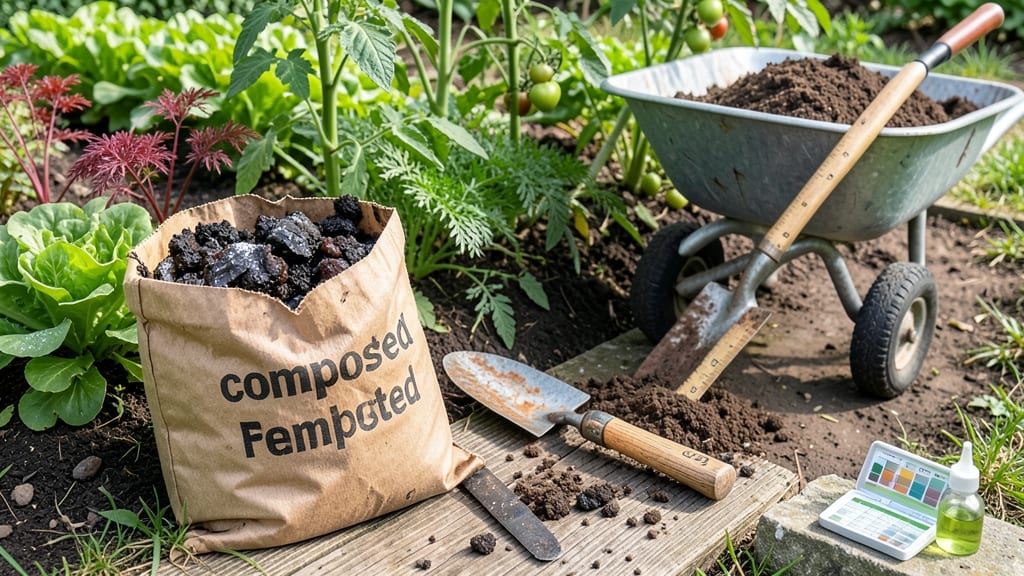
Determining how much manure for garden depends on plant type: use 1 part well-aged manure to 10 parts soil for vegetables, while fruit trees and shrubs require 2 parts manure to 1 part soil. Always compost manure for 6+ months to prevent plant damage or pathogen spread.
Manure acts as a nutrient powerhouse, but its potency demands careful measurement. 🌱 For leafy greens like lettuce or spinach, the 1:10 ratio prevents nitrogen overload that can scorch leaves, while root crops like carrots benefit from slightly higher phosphorus levels.
Fruit trees, on the other hand, thrive with richer soil—hence the 2:1 ratio—since they need sustained nutrient support for both foliage and fruit production. The key is balancing organic matter with your existing soil quality; sandy soils may need more frequent applications, while clay soils can hold nutrients longer.
Beyond ratios, timing matters just as much as quantity. Fresh manure is a no-go—its high ammonia content can burn plant roots—so always use composted material. I recommend spreading manure in early spring or fall, working it into the top 6 inches of soil where roots actively grow.
For container gardens, reduce the ratio to 1:20 to avoid over-fertilizing in limited space. And remember: less is often more with manure; you can always add more next season than try to correct an over-application.
💡 In This Article
- Manure-to-Soil Ratios by Plant Type
- Safety and Application Tips for Garden Manure
Manure-to-soil ratios by plant type
The right amount of manure depends entirely on what you're growing and what your soil already provides. For leafy vegetables like lettuce, spinach, or kale, the 1:10 ratio of well-aged manure to soil is critical because these plants are nitrogen-hungry but sensitive to excess.
Too much nitrogen causes leafy greens to grow rapidly but with weak stems, making them prone to bolting or falling over. The nitrogen in manure promotes leafy growth, but the phosphorus and potassium must stay balanced to support root development and disease resistance.
Root crops like carrots, beets, and potatoes need a slightly different approach. While they also benefit from the 1:10 ratio, their focus on underground growth means you should mix the manure into the top 6-8 inches of soil rather than spreading it on the surface.
This ensures phosphorus and trace minerals are available where the roots are actively growing. Sandy soils, which drain quickly, may need a slightly higher ratio (1:8) to prevent nutrients from washing away, while clay soils can handle the standard ratio since they retain moisture and nutrients longer.
Fruit trees and shrubs are the heavy feeders of the garden world, which is why they thrive with a 2:1 ratio of manure to soil. These plants require sustained nutrient support for both their extensive root systems and their fruit production.
The higher ratio provides the phosphorus needed for flowering and fruiting, along with potassium to strengthen cell walls and improve disease resistance. For example, a young apple tree might need 5 gallons of composted manure spread over a 25-square-foot area around its drip line, worked into the soil before planting.
Flowers and ornamental plants fall somewhere in between, typically requiring a 1:15 ratio unless they're heavy bloomers like roses or hydrangeas, which can handle up to 1:10. The key difference here is that flowers prioritize aesthetic growth over food production, so their nutrient needs are less intense.
However, over-fertilizing can lead to excessive foliage at the expense of blooms—a common mistake in ornamental gardening. Always consider the plant's natural growth habits when adjusting ratios.
Lawns are a special case because they cover large areas and need consistent nutrition. For established lawns, a 1:20 ratio of manure to soil spread evenly across the surface is ideal.
The goal here is to enrich the soil without overwhelming the grass roots, which can lead to thatch buildup or fungal issues.
For new lawns, you can double the manure content (1:10) during the initial planting to give the grass a strong start, but avoid fresh manure entirely—it can introduce weeds or pathogens that spread quickly in a large, open area.
Here's a quick reference for common garden scenarios:
- Leafy vegetables: 1 part manure to 10 parts soil (mix into top 4 inches)
- Root crops: 1 part manure to 10 parts soil (mix into top 6-8 inches)
- Fruit trees/shrubs: 2 parts manure to 1 part soil (spread in a 3-foot ring around base)
- Flowers: 1 part manure to 15 parts soil (light top dressing)
- Lawns: 1 part manure to 20 parts soil (evenly spread and mowed in)
The secret to success lies in testing your soil first. A simple pH test (available at garden centers) will tell you if your soil is acidic, alkaline, or neutral—manure works best in slightly acidic to neutral soil (pH 6.0-7.0).
If your soil is already rich in organic matter (dark, crumbly, and moist), you can reduce the manure ratio by half. Conversely, if your soil is sandy or depleted, you might need to increase it slightly. 🌱