
Fertilization
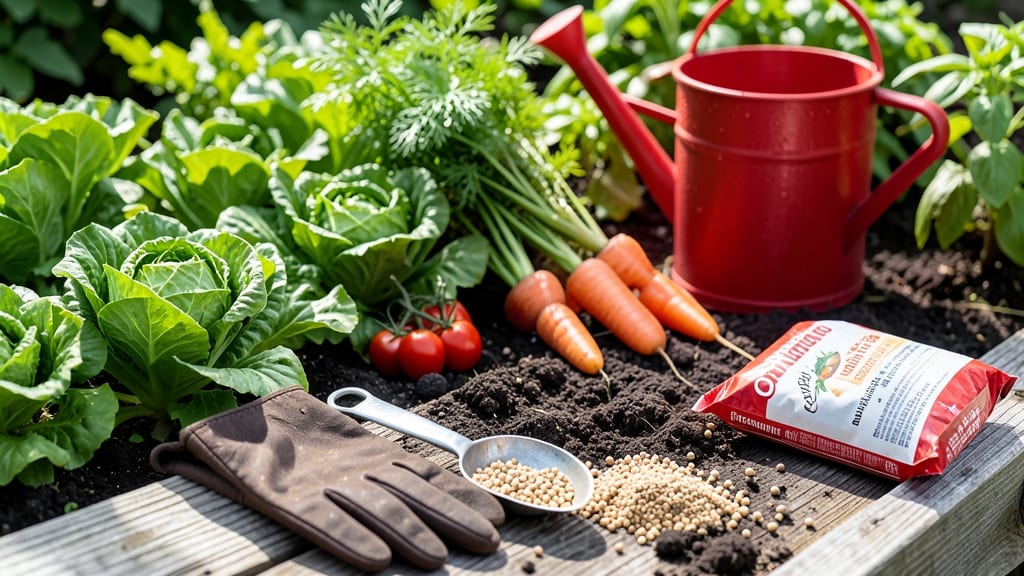
To figure out how much fertilizer for garden, start with soil test results and adjust based on plant type—typically 1 to 2 pounds of balanced fertilizer (10-10-10) per 100 square feet for annuals, halved for perennials, and increased for nitrogen-heavy crops like vegetables. Always check label instructions and reapply every 4-6 weeks during growing season.
Soil tests reveal what your garden truly needs, as over-fertilizing can harm plants just as much as under-fertilizing. 🌱 For instance, tomatoes thrive with slightly more nitrogen than roses, while lawns often need phosphorus for root development.
Organic options like compost or worm castings offer slower-release nutrients, reducing burn risks while improving soil structure over time.
Regional climate plays a surprising role too—warmer areas may need more frequent applications due to faster nutrient depletion, while cooler climates might benefit from slow-release granules. Always water after applying to help nutrients penetrate the soil, and consider a mid-season boost for heavy feeders like corn or squash.
💡 In This Article
- Interpreting Soil Test Results for Fertilizer Application
- Plant-Specific Fertilizer Application Rates by Type
Interpreting soil test results for fertilizer application
Soil tests measure three critical factors that determine fertilizer needs: pH level, nutrient availability, and organic matter content. The pH scale runs from 0 (acidic) to 14 (alkaline), with most plants thriving between 6.0 and 7.0.
For example, blueberries require 4.5-5.5 for optimal iron uptake, while most vegetables prefer 6.0-7.0. A test revealing pH 5.5 for your vegetable garden would signal the need for lime to raise the pH before applying nitrogen-heavy fertilizers.
Nutrient deficiencies appear as specific numbers on test reports, measured in parts per million (ppm). Nitrogen (N) levels below 20 ppm often stunt leafy growth, while phosphorus (P) below 15 ppm can delay flowering. Potassium (K) deficiencies (100 ppm) typically show as weak stems or poor disease resistance.
The test might also reveal micronutrient shortages like magnesium (100 ppm) or zinc (1 ppm), which require specialized fertilizers rather than general NPK blends.
Organic matter percentage (typically 3-10%) affects nutrient retention—higher percentages mean slower nutrient release. A test showing only 2% organic matter would justify adding compost before fertilizing, as it improves soil structure while providing slow-release nutrients.
Seasonal adjustments matter too: Spring tests often reveal depleted nitrogen from winter, while summer tests may show phosphorus exhaustion from heavy flowering.
Here's how to translate test results into action: If your soil test shows pH 6.5, N 30 ppm, P 25 ppm, and K 150 ppm, you'd apply a 10-10-10 fertilizer at 1 pound per 100 sq ft while adding phosphorus-specific amendments.
For micronutrient deficiencies, foliar sprays (like 0.2% zinc sulfate) provide faster results than soil applications.
Remember that soil tests don't tell the whole story—visual cues matter too. Yellowing leaves with green veins indicate nitrogen deficiency, while purple stems signal phosphorus shortage. These visual symptoms help verify test results and refine your fertilizer strategy. 🌱
For organic gardeners, soil tests reveal how much compost to add. A 2% organic matter reading might require 2-3 inches of compost per 100 sq ft annually, while conventional gardeners would adjust synthetic fertilizer ratios accordingly. Always water after applying to activate nutrients and prevent burn.
Pro tip: Keep soil test records! Comparing yearly results shows how your fertilizer program affects nutrient levels over time. Many extension services offer affordable tests with detailed recommendations tailored to your region's climate patterns. 💡