
Light Requirements
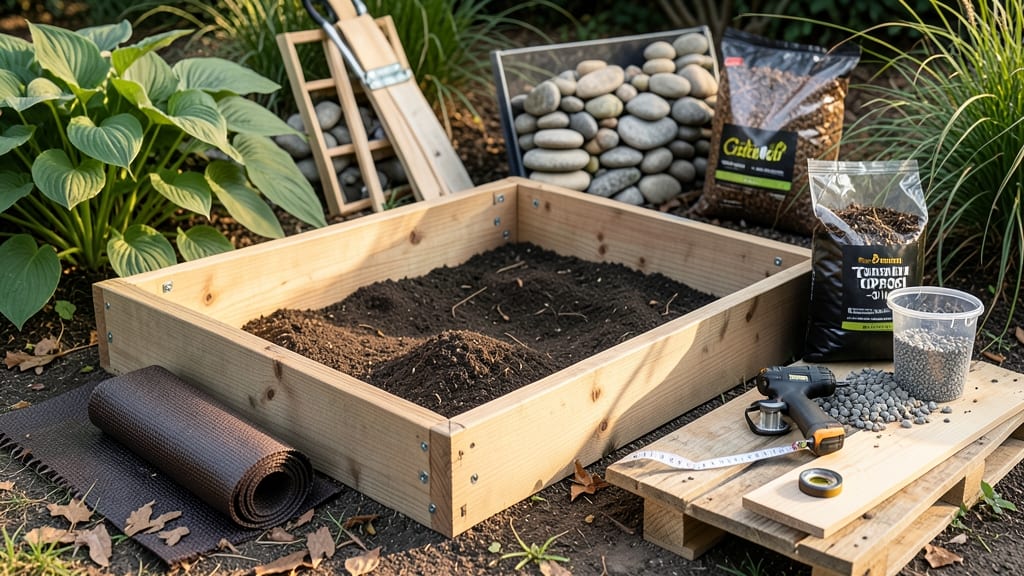
Building raised garden beds costs between $100 and $1,500+, depending on size, materials (cedar, redwood, or composite lumber), soil quality, and whether you DIY or hire a pro. A 4x8-foot bed typically ranges from $200–$600 for basic cedar, while premium designs or custom builds can exceed $1,000.
Creating your own raised garden beds gives you full control over costs, but the final price tag depends heavily on what you choose. 💰 For example, a simple 4x4-foot cedar bed might run $150–$300 if you source lumber locally, while a 6x12-foot redwood bed could climb to $800–$1,200 due to higher material costs.
Soil alone can add $50–$200 per cubic yard, depending on whether you use basic topsoil or premium compost blends. The biggest savings come from DIY assembly—skilled labor can push costs up by $300–$800 for complex designs.
Another key factor is durability. While cedar and redwood resist rot naturally, composite lumber (like Trex) lasts longer but costs 20–50% more upfront. I’ve seen gardeners save hundreds by buying materials in bulk or repurposing old lumber, though this requires extra time for cutting and assembly.
If you’re on a tight budget, starting with a 4x8-foot bed in cedar is the sweet spot—it balances cost, yield, and ease of construction.
💡 In This Article
- Cost Breakdown: Raised Garden Bed Materials and Sizing
- DIY vs Professional Build: Labor Costs and Time-Saving Strategies
Cost breakdown: raised garden bed materials and sizing
The foundation of your raised bed's cost starts with the lumber. Cedar is the most popular choice, costing $3–$6 per board foot for basic-grade wood, while premium cedar can reach $8–$12 per board foot.
A 4x8-foot bed built with 2x6 cedar boards (12 inches tall) typically uses about 16 board feet, translating to $50–$100 just for the wood.
Redwood runs 10–30% more expensive than cedar due to its natural rot resistance, while composite lumber (like Trex) adds $1–$3 per linear foot but lasts 20+ years versus cedar's 10–15 years.
Size dramatically impacts costs—both materials and soil. A 4x4-foot bed uses roughly 4 cubic feet of soil, while a 4x8-foot bed requires 16 cubic feet.
Filling with basic topsoil costs $20–$50 per cubic yard, but premium mixes (50% compost, 50% topsoil) can double that to $40–$100 per cubic yard. For example, a 4x8-foot bed filled to 12 inches deep needs 3.3 cubic feet of soil, costing $30–$80 depending on quality.
Hardware like corner brackets ($2–$5 each) and screws ($0.50–$1 per pound) adds $10–$30 to the total.
Regional lumber prices vary wildly—cedar in the Pacific Northwest costs 20–30% less than in the Midwest due to local mills, while composite lumber prices spike in urban areas due to shipping. I’ve seen DIYers save 30–40% by purchasing lumber in bulk or during seasonal sales (spring/fall).
For instance, a 6x12-foot bed made from 2x8 cedar might cost $600–$900 in lumber alone, but buying 20 board feet at once could knock $100–$200 off the total. Recycled wood (like reclaimed barn wood) can cut costs by 50%, though it may require extra sealing to prevent rot.
Don’t overlook the hidden costs—tools, permits, and long-term maintenance. Renting a circular saw for $50–$80/day or buying one ($150–$300) adds up if you’re building multiple beds. Some cities require permits for raised beds over 3 feet tall or on concrete pads, costing $50–$200.
Cedar beds need resealing every 2–3 years ($20–$50 per coat), while composite beds require no maintenance. Weighing these factors helps justify whether a $1,000+ composite bed saves money long-term compared to replacing cedar every decade.
Pro tip: Measure twice, cut once. Mismanaged lumber waste can inflate costs by 10–20%. For example, a 4x8-foot bed should yield 16 square feet of planting space, but rough cuts or uneven edges can reduce usable area.
Pre-cut kits (like those from CedarCraft) eliminate waste but add $50–$150 to the total. The trade-off? Perfectly fitted corners and faster assembly.
For budget-conscious gardeners, starting with a 4x4-foot cedar bed ($150–$300) and expanding over time is a smart strategy. This size fits most small yards, yields enough for a family of four, and leaves room for future additions.
The key is balancing upfront costs with long-term usability—skimp on materials, and you’ll pay in repairs or shorter lifespan.