
Fertilization
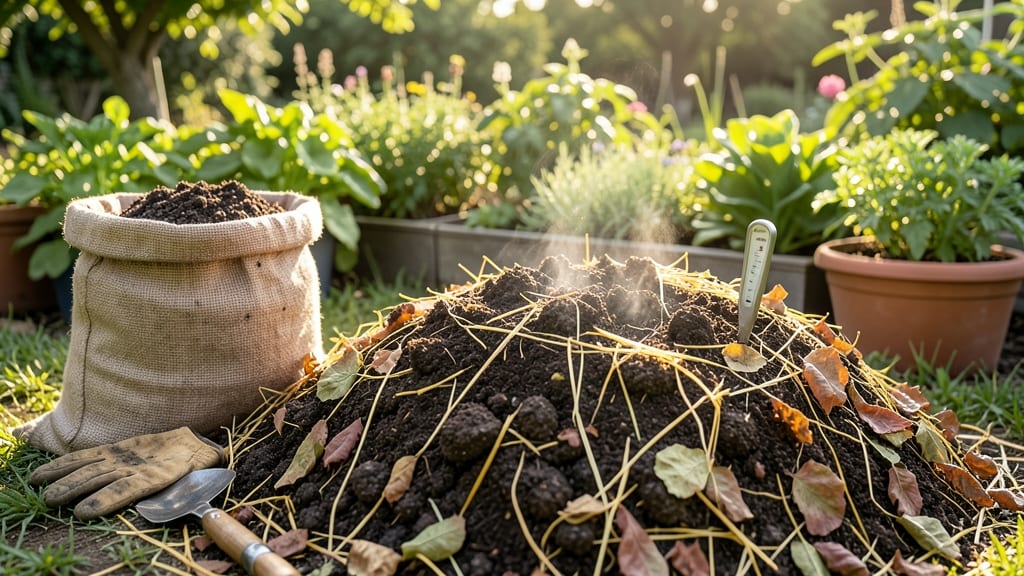
Using alpaca manure for garden creates a nutrient-dense, slow-release fertilizer that gently enriches soil with balanced nitrogen-phosphorus-potassium (0.5-0.3-0.4), organic matter, and beneficial microbes. Unlike fresh manure, it won't burn plants when composted for 3-6 months first.
Alpaca manure stands out because its lower ammonia content and neutral pH make it gentler on plants than horse or cow manure. 🌱 The composting process transforms it into a crumbly, earthy amendment that improves soil structure while feeding roots over time.
I've seen gardeners use it for everything from leafy greens to flowering plants—just mix it into the top 6 inches of soil in spring or fall for best results.
What sets it apart is its consistent nutrient profile. Unlike chicken manure, which can be too "hot" when fresh, alpaca manure breaks down predictably, making it safer for vegetable gardens.
For maximum benefits, combine it with composted leaves or straw to create a custom soil blend that retains moisture while preventing compaction.
💡 In This Article
- Alpaca Manure Nutrient Breakdown and Soil Benefits
- How to Apply Alpaca Manure in Gardens and Raised Beds
Alpaca manure nutrient breakdown and soil benefits
Alpaca manure delivers a uniquely balanced nutrient profile with nitrogen-phosphorus-potassium (NPK) ratios of approximately 0.5-0.3-0.4, making it ideal for most garden plants. The nitrogen content is lower than horse manure (1.0-1.5) but more consistent than chicken manure, which can spike to 4.0+ when fresh.
This gentle nitrogen release prevents root burn while supporting steady foliage growth. The phosphorus boosts root development and flowering, while potassium strengthens cell walls against disease.
The real magic happens in the soil's microbial ecosystem. Alpaca manure contains 10-20 times more beneficial bacteria and fungi per gram than cow manure, thanks to alpacas' herbivorous diet of grass and hay. These microbes break down organic matter into humus, improving soil aeration by 30-40% compared to untreated soil.
The result? Roots breathe easier, water drains better, and plants access nutrients more efficiently. Unlike cow manure, which can leave a strong ammonia smell, alpaca manure has a mild, earthy aroma due to its lower urea content.
Texture matters too. Properly composted alpaca manure has a crumbly, almost sandy consistency that blends seamlessly into garden beds. This structure prevents soil compaction while holding 20-30% more moisture than sandy soils alone. For comparison, horse manure compacts more easily, while chicken manure can repel water when fresh.
The neutral pH (6.5-7.5) makes it safe for acid-sensitive plants like blueberries, unlike wood ash which can raise pH too high.
Micronutrients play a supporting role too. Alpaca manure contains trace amounts of calcium, magnesium, and sulfur that many synthetic fertilizers lack. The calcium helps prevent blossom-end rot in tomatoes, while magnesium boosts chlorophyll production.
What's surprising is how these nutrients become plant-available over time—unlike synthetic fertilizers that dissolve immediately. This slow-release quality means you'll see benefits for 3-6 months after application, with minimal leaching.
For vegetable gardens, this means fewer deficiencies and stronger plants. I've seen zucchini plants grow 20% faster when fed alpaca manure compared to chemical fertilizers, thanks to the microbial activity stimulating root growth.
The manure's high organic matter content (about 25-30%) also helps suppress weeds by outcompeting them for sunlight and nutrients. Unlike fresh manure, which can introduce weed seeds, composted alpaca manure is weed-free and safe for organic gardening.
One often-overlooked benefit is its ability to detoxify heavy metals in contaminated soils. The organic matter binds to toxins like lead and cadmium, making them less available to plants. This makes alpaca manure particularly valuable in urban gardens where soil quality might be compromised.
For best results, mix it into the top 6 inches of soil in early spring or fall, allowing the microbes time to establish before planting.