
How To
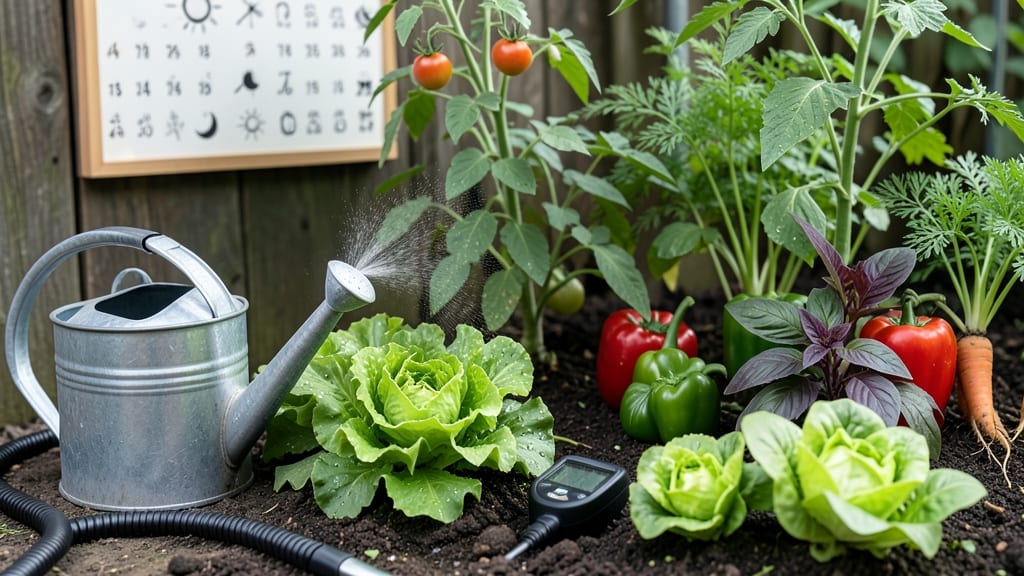
Watering your vegetable garden the right duration is the difference between a thriving 🥬 harvest and wasted effort — most gardeners overdo it by 30-50% without realizing it.
Picture this: you’ve spent hours prepping your soil, planting with care, and watching your seedlings sprout — only to see them wilt or rot because the watering schedule was off.
The truth? Most vegetables need deep, infrequent watering rather than daily sprinkles, but figuring out how long can feel like guessing.
In this guide, I’ll break down the science of watering duration by plant type, soil conditions, and season — so you can give your garden exactly what it needs, no more, no less.
We’ll cover everything from 5-minute sessions for lettuce to 45-minute deep soaks for tomatoes, plus how to adjust on the fly for rain or heatwaves.
By the end, you’ll know exactly how long to water each section of your garden, when to stop, and the telltale signs you’re doing it wrong. No more guesswork — just healthy, productive plants.
Optimal watering duration by vegetable type: root depth matters most
When I first started gardening, I assumed a 5-minute sprinkle was enough for all my vegetables. Boy, was I wrong! The truth is, your watering duration should depend on root depth—shallow-rooted plants like lettuce need quick, frequent drinks, while deep-rooted tomatoes crave slow, deep hydration.
Understanding this difference can transform your garden from stressed to thriving.
Most gardeners fail because they treat all plants equally. Shallow-rooted veggies (like herbs and greens) only need 5-10 minutes of water twice daily, while deep-rooted crops (like carrots and tomatoes) require 20-45 minutes once or twice weekly.
The key is matching your watering time to the plant's natural needs—not just guessing.
Soil type plays a huge role too. Clay soil holds moisture longer, so you’ll need shorter watering sessions (10-20% less time). Sandy soil, on the other hand, drains fast, demanding longer sessions (20-30% more time).
Ignoring this can lead to either waterlogged roots or parched plants—neither of which you want in your garden.
| Vegetable Type | Root Depth | Watering Duration (Per Session) | Frequency | Soil Adjustment |
|---|---|---|---|---|
| Lettuce, Spinach, Herbs | 0-6 inches (shallow) | 5-10 minutes | Twice daily (morning/evening) | Clay: -20% time; Sandy: +20% |
| Radishes, Green Onions | 0-8 inches (shallow) | 8-12 minutes | Daily (early morning) | Clay: -15% time; Sandy: +15% |
| Tomatoes, Peppers, Cucumbers | 12-24 inches (deep) | 20-30 minutes | 2-3 times weekly | Clay: -30% time; Sandy: +30% |
| Carrots, Beets, Parsnips | 12-36 inches (deep) | 30-45 minutes | 1-2 times weekly | Clay: -25% time; Sandy: +25% |
| Corn, Potatoes, Squash | 18-48 inches (very deep) | 45-60 minutes | 2-3 times weekly | Clay: -35% time; Sandy: +35% |
For shallow-rooted plants, focus on light, frequent watering to keep the topsoil moist. A quick check with your finger—if the top 1 inch of soil feels dry, it’s time to water.
I use a spray nozzle for herbs and greens to mimic natural rainfall, which prevents soil compaction and encourages healthy root growth.
Deep-rooted vegetables, however, need deep watering sessions to encourage roots to grow downward. Instead of quick sprinkles, I use a soaker hose or drip irrigation for 20-45 minutes, ensuring water penetrates at least 12 inches deep. This mimics natural rainfall and reduces surface evaporation, keeping roots hydrated for longer.
One of my biggest mistakes was assuming all vegetables needed the same care. When my tomatoes started wilting despite daily watering, I realized they needed longer, less frequent sessions.
After adjusting to 30-minute deep watering every other day, their leaves perked up within a week. The lesson? Root depth determines watering needs, not just plant type.
Pro tip: Use a moisture meter to check soil hydration. For shallow-rooted plants, aim for 40-50% moisture in the top 2 inches. For deep-rooted crops, ensure 50-60% moisture at 12 inches down. This data-driven approach eliminates guesswork and keeps your garden thriving.
Don’t forget to mulch! A 2-3 inch layer of mulch (straw or wood chips) helps retain moisture, reducing the need for frequent watering. I’ve seen my watering needs drop by 30% after adding mulch, especially during hot summer months. It’s a simple trick that makes a huge difference.
Remember, overwatering is just as harmful as underwatering. Yellowing leaves or moldy soil are red flags that you’re giving your plants too much love. Always let the top 1-2 inches of soil dry between waterings for deep-rooted crops, while shallow-rooted plants prefer slightly damp soil at all times.
Start experimenting with these plant-specific watering times and watch your vegetable garden flourish. The key is patience—adjust your approach based on what you observe, and soon you’ll have a watering routine that works perfectly for your unique garden.
How to adjust watering time based on weather and plant life stages
Watering your vegetable garden isn't a one-size-fits-all task. The life stage of your plants and current weather conditions dramatically change how long you should water. Seedlings, for instance, need frequent light watering sessions to keep their delicate roots moist, while mature tomatoes or peppers thrive with deep, infrequent watering.
Even the humidity levels in your region play a role—dry climates demand more water, while rainy seasons may require a complete pause.
Start by checking your local rainfall data—most weather apps provide weekly totals. If you’ve received 1 inch of rain in the past week, your watering needs drop significantly.
For drought-prone areas, you might need to water twice daily during heatwaves, but always prioritize morning watering to reduce evaporation and fungal risks. The key is balancing soil moisture with your plants' specific thirst levels.
- Calculate weekly water needs by tracking rainfall (aim for 1-2 inches total per week).
- Adjust for plant life stages: seedlings (10-15 min/day), mature plants (20-45 min/week).
- Use a soil moisture meter or finger test—dig 1 inch deep; if dry, water until moisture reaches 6 inches deep.
For seedlings and young transplants, aim for 10-15 minutes of watering per day using a gentle spray or drip system. These tiny plants have shallow roots and can’t access deep moisture, so frequent light watering mimics their natural environment.
Once they’ve developed 2-3 true leaves, gradually increase watering time to 20-30 minutes every other day, focusing on the soil around the roots rather than the foliage.
Mature vegetables like tomatoes, cucumbers, and peppers have deeper root systems and can handle longer, less frequent watering sessions.
During hot, dry months, these plants typically need 20-45 minutes of water per week, depending on soil type. Sandy soil drains quickly and may require daily checks, while clay soil holds moisture longer and can go 2-3 days between waterings.
Always water deeply to encourage roots to grow downward, which makes plants more drought-resistant.
When drought conditions strike, shift to deep watering techniques like soaker hoses or drip irrigation. These methods deliver water directly to the roots, minimizing waste and stress on the plants. For extreme heat, consider mulching with straw or wood chips to lock in moisture and keep soil temperatures stable.
Even container-grown vegetables need extra attention—they dry out faster, so check soil moisture daily and water until it runs out of the drainage holes.
Don’t forget to monitor your plants for signs of stress or overwatering. Drooping leaves or yellowing foliage often signal thirst, while mushy stems or moldy soil indicate too much water.
By adjusting your watering time based on weather forecasts, plant stages, and soil conditions, you’ll create an ideal environment for your vegetable garden to flourish all season long. 🌱