
How To
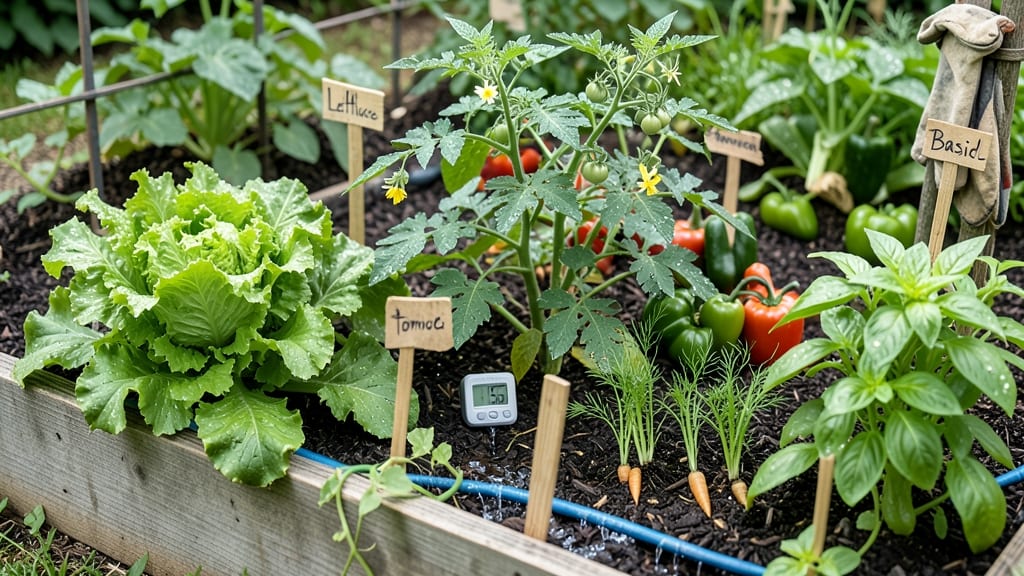
Leaving a soaker hose on your vegetable garden for the right amount of time ensures deep, even hydration without drowning your 🥬 plants.
Struggling to strike that balance? Too little water, and your seedlings wilt; too much, and roots suffocate. The key lies in understanding your soil type, plant needs, and weather—because what works for leafy greens won’t cut it for tomatoes.
In this guide, I’ll break down the ideal soaker hose runtime by plant type, from quick-soaking lettuce to long sessions for thirsty squash. You’ll also learn how to adjust for sandy vs. clay soil, split sessions for efficiency, and spot overwatering before it’s too late.
By the end, you’ll water with confidence—no guesswork, just science-backed timing tailored to your garden’s unique needs.
Soaker hose watering times by vegetable growth stage
A soaker hose delivers water directly to roots, reducing waste and stress on your plants—but getting the timing right depends on the growth stage of your vegetables. Seedlings need gentle hydration, while mature plants and fruiting vegetables demand deeper, longer sessions.
Below, I break down exact watering durations for each phase, tailored to common garden staples like lettuce, tomatoes, and carrots.
For seedlings (first 2–4 weeks), aim for 10–20 minutes every 1–2 days. Their roots are shallow, so frequent, light watering prevents wilting. Mature plants (4+ weeks) need 30–60 minutes every 2–3 days, while fruiting vegetables (like tomatoes or peppers) may require 60–90 minutes during peak heat.
Adjust based on soil type—sandy soil drains faster, while clay holds moisture longer.
Climate zones also play a role. In hot, dry climates (USDA Zones 8–10), extend watering by 20–30% during peak summer months. For cool, wet zones (Zones 3–5), reduce by 10–20% to avoid waterlogging. Always check soil moisture 1–2 inches down—if it’s dry, water longer; if damp, shorten the session.
For container gardens, cut runtime by 30% since pots dry out faster. Place a moisture meter near your plants to track real-time needs. I’ve found that morning watering (before 10 AM) minimizes evaporation and fungal risks, while evening sessions can promote mildew.
Adjust your soaker hose timer accordingly—most models let you set precise intervals.
Watch for signs of overwatering, like yellowing leaves or mold, and underwatering, such as wilting or crispy edges. If your soil feels compacted, it’s likely overwatered; if it’s bone-dry, increase duration. Mulching with straw or wood chips helps retain moisture, reducing the need for extra runtime.
Pro tip: Split long watering sessions into two shorter ones (e.g.,
Adjusting soaker hose runtime for soil type and weather conditions
A soaker hose’s runtime depends on two critical factors: your soil type and current weather conditions. These determine how quickly water drains or evaporates, directly impacting root health.
For example, sandy soil drains water in minutes, while clay soil holds moisture for days. Similarly, a drought demands longer sessions, while rainy weather may require skipping watering entirely.
Container gardens also behave differently—potted plants dry out 2-3x faster than in-ground beds. To avoid guesswork, I recommend testing your soil’s moisture retention first. Stick your finger 1-2 inches deep; if it feels dry, it’s time to water.
For most vegetable gardens, aim for 1-2 inches of water per week, delivered consistently rather than in short bursts.
💧 Soaker Hose Runtime Guide
| Soil Type | Weather | Runtime (Hours) | Notes |
| Sandy | Dry/Hot | 1.5–2.5 | Water every 1–2 days; split sessions if needed. |
| Clay | Normal | 3–5 | Water every 3–5 days; monitor for puddles. |
| Loamy | Rainy | 0.5–1 | Check soil first; reduce or skip if saturated. |
| Containers | Any | 0.5–1.5 | Water daily in extreme heat; use saucers to catch runoff. |
🌱 Pro Tip: Always water in the morning to reduce evaporation and fungal risks.
For sandy soil, I’ve found that splitting watering sessions works best. Run the soaker hose for 30–45 minutes twice daily (morning and late afternoon) to mimic natural rainfall. This prevents water from draining too quickly while keeping roots consistently moist.
In contrast, clay soil benefits from longer, less frequent sessions—think 4–6 hours every 3–4 days—to avoid waterlogging.
Weather plays a huge role too. During drought conditions, extend runtime by 50% and water daily if temperatures exceed 90°F. Conversely, after heavy rain, skip watering entirely and check for puddles or soggy soil, which can suffocate roots.
Use a moisture meter or the finger test to avoid overwatering—your thumb should feel slightly damp but not wet.
Container gardens need extra attention. Since pots dry out faster, I recommend running the soaker hose for 30–60 minutes daily during summer, adjusting based on pot size. Place containers on elevated trays to catch excess water and reuse it for nearby plants.
For in-ground gardens, focus on deep watering—aim for 6–12 inches deep—to encourage strong root systems.
Watch for overwatering signs like yellowing leaves, mold, or wilting despite moist soil, and underwatering signs such as crispy edges or drooping stems. If you notice these, adjust your runtime immediately.
For example, if your tomatoes show signs of stress, reduce clay soil sessions to 2 hours and increase frequency to every 2 days.