
Watering
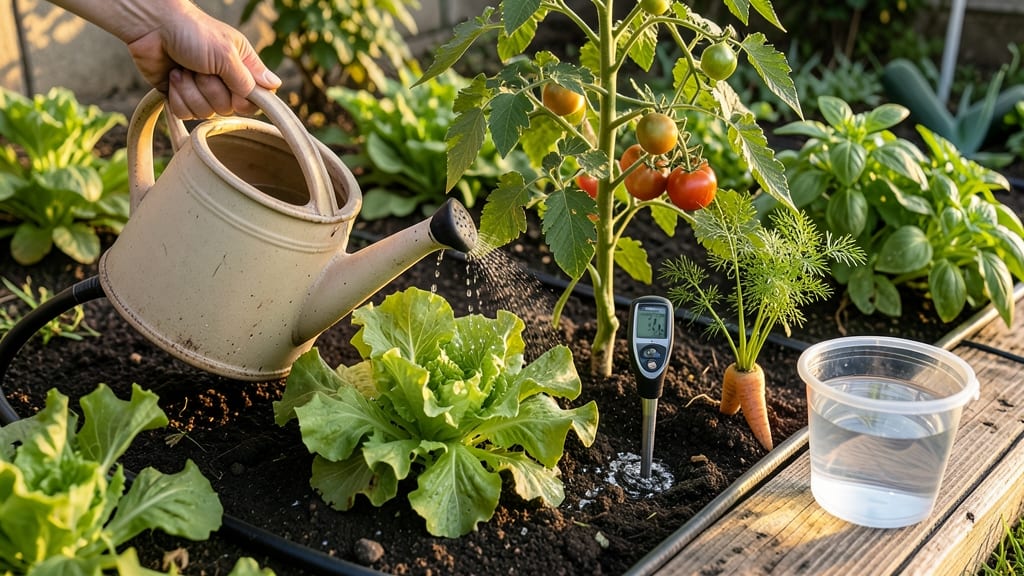
Watering your vegetable garden every day may seem like the safest bet, but it’s actually one of the biggest mistakes gardeners make—especially in Zone 6a where soil stays moist longer than you think.
Overwatering your 🥬 plants is a silent killer—it drowns roots, invites pests, and wastes precious water while your tomatoes or peppers struggle to grow. The truth? Most vegetables prefer deep, infrequent watering that encourages strong roots, not daily sprinkles that keep the topsoil damp.
This isn’t about guesswork. Soil type, plant type, and weather all play a role, but there’s a science-backed rhythm that keeps your garden thriving without the stress.
Below, I’ll break down when daily watering is a must (and when it’s a disaster), plus the smart habits that save time, water, and your sanity.
You’ll learn how to read your soil, spot the signs of overwatering, and adjust your schedule for summer heat or spring showers—so you can water with confidence, not chaos.
How often should you water vegetables: science-backed guidelines by plant type
Watering your vegetable garden can feel like a guessing game—especially when you see neighbors watering daily and wonder if you should too. The reality? Most vegetables don’t need daily watering unless you’re in extreme heat or sandy soil. Instead, they thrive on deep, infrequent watering that encourages strong root systems.
For example, tomatoes and peppers hate soggy soil but also wilt quickly when thirsty, while leafy greens like spinach prefer consistent moisture. Let’s break down the science-backed schedules by plant type so you can water smarter, not harder.
Your garden’s watering needs depend on three key factors: plant type, soil type, and climate. Sandy soil drains fast and may need daily watering in summer, while clay holds moisture longer and might only need watering every 5–7 days.
Humid climates reduce evaporation, while arid regions demand more frequent hydration. Even within a single plant family, water needs vary—carrots (a root crop) need steady moisture, while zucchini (a vine) can handle occasional drought better than overwatering.
Here’s a quick reference to avoid common mistakes. Most gardeners overwater in spring and underwater in peak summer. The goal? Aim for 1–2 inches of water per week, delivered deeply to encourage roots to grow downward. Shallow watering leads to weak roots and stressed plants.
| Plant Type | Water Frequency (Per Week) | Best Time to Water | Signs of Overwatering |
|---|---|---|---|
| Tomatoes | 3–4 times (deep soak) | Morning (6–9 AM) | Yellowing leaves, mold, cracked soil |
| Peppers | 3–4 times (1–1.5 inches total) | Early morning | Blossom end rot, wilting |
| Leafy Greens (Spinach, Lettuce) | 4–5 times (light, frequent) | Evening or morning | Bolting, slimy soil |
| Root Crops (Carrots, Radishes) | 3–5 times (steady moisture) | Morning | Cracked soil, stunted growth |
| Cucumbers/Zucchini | 4–5 times (1–2 inches total) | Morning | Powdery mildew, bitter fruit |
| Herbs (Basil, Parsley) | 3–4 times (dry slightly between) | Morning | Yellowing, wilting stems |
Let’s tackle tomatoes first, since they’re the poster child for overwatering drama. These plants need deep watering 3–4 times per week during fruiting season (summer), but avoid wetting the leaves to prevent fungal diseases like early blight. A simple trick?
Use a soaker hose at the base of the plant and water in the morning. If your soil feels dry just 1 inch below the surface, it’s time to water. Overwatering tomatoes leads to blossom end rot, a classic sign your calcium uptake is off due to inconsistent moisture.
For peppers, consistency is key—but don’t drown them. These heat-loving plants prefer 1–1.5 inches of water per week, split into 3–4 sessions. Unlike tomatoes, peppers are more drought-tolerant once established, but they’ll drop blossoms if moisture fluctuates wildly.
If you notice the tips of your pepper leaves turning black, that’s blossom end rot again, signaling uneven watering. Mulch heavily around pepper plants to lock in moisture and keep roots cool.
Leafy greens like spinach and lettuce are the exceptions to the "deep and infrequent" rule. They prefer frequent, light watering (4–5 times per week) to stay crisp. Let the top inch of soil dry out between waterings, but never let them wilt.
Overwatering here causes bolting (going to seed prematurely), ruining your harvest. Use a fine mist or drip irrigation to keep leaves dry and prevent fungal issues.
Root crops like carrots and radishes need steady moisture to grow straight and tender. Water them 3–5 times per week, aiming for 1 inch of water total.
Uneven moisture leads to forked carrots or pithy radishes. A good test: Stick your finger 1 inch into the soil. If it’s dry,
Signs your vegetable garden is overwatered (and how to fix it)
If your tomatoes or peppers are wilting despite daily watering, or your leafy greens look sad and slimy, you might be overdoing it. Overwatering is sneaky—it doesn’t always mean puddles in your garden.
Instead, it shows up as yellowing leaves, mushy stems, and even white mold on the soil surface. These are your plants’ way of screaming for help, and ignoring them can lead to root rot, a death sentence for most vegetables.
Most gardeners assume more water equals better growth, but the opposite is true. When soil stays soggy for too long, roots suffocate from lack of oxygen, and harmful bacteria thrive.
This is especially true in Zone 6a, where cool, damp springs can trick you into thinking your plants need extra hydration. The key is balance: your garden should feel moist but not drenched, like a well-wrung sponge.
🚨 WARNING: Overwatering is the #1 cause of plant death in home gardens—even more common than underwatering! 🚨
🚨 Overwatering Red Flags 🚨
Yellow leaves (especially lower ones) that don’t crisp up when dry? Your plants are drowning. Mold or fungi (white, gray, or black fuzzy growth) on soil or stems means excess moisture is breeding pests. Stunted growth or wilting despite wet soil signals roots can’t breathe.
Fix it fast: Stop watering immediately, loosen compacted soil with a fork, and let it dry out for 2-3 days. If mold is present, sprinkle diatomaceous earth or copper fungicide to restore balance.
First, check your soil moisture before watering. Stick your finger 1-2 inches into the soil—if it’s damp, wait. If it’s dry only at the surface, your plants are fine. Clay soil stays wet longer, while sandy soil drains quickly.
Adjust your schedule based on your soil type: clay-heavy gardens may need watering every 5-7 days, while sandy soil might require daily checks but less total water.
If you’ve spotted root rot (black, mushy roots), act immediately. Remove affected plants, disinfect your tools with rubbing alcohol, and replant in fresh, dry soil. For existing plants, reduce watering to every 3-4 days and improve drainage by adding organic compost or perlite to the soil.
Mulching with straw or wood chips can also help regulate moisture levels naturally.
Don’t let fear of underwatering push you toward overwatering. Most vegetables—like zucchini, cucumbers, and beans—prefer deep watering 2-3 times per week rather than daily shallow drinks. Use a soil moisture meter or a simple screwdriver to test moisture levels.
If it slides in easily, your soil is too wet; if it meets resistance, it’s time to water.
Remember, healthy plants have strong roots that seek water deep underground. When you water deeply but infrequently, you encourage this growth. Start today by letting your soil dry out slightly between waterings—your plants (and your water bill) will thank you. 🌱