
Tools
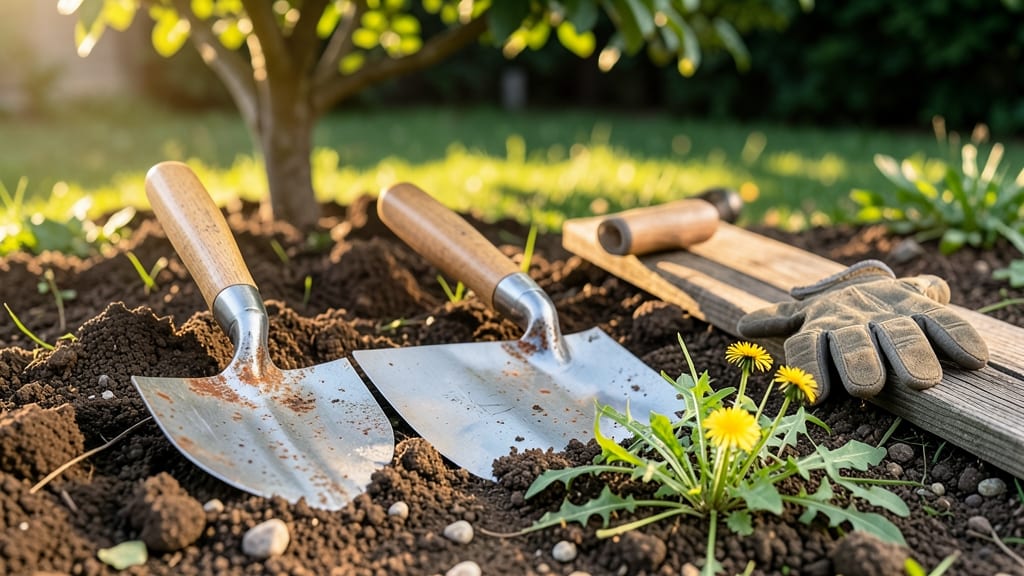
A hoe gardening tool definition describes it as a versatile, long-handled implement with a flat or pointed blade designed for weeding, soil cultivation, and shaping garden beds by cutting weeds at the surface or loosening soil. Its adaptability makes it indispensable for both vegetable gardens and lawn care.
A hoe gardening tool comes in various shapes and sizes, each tailored for specific tasks. 🌱 The draw hoe with its broad blade excels at cutting weeds at the surface, while the stirrup hoe offers better control for precision work in tight spaces.
Blade materials like high-carbon steel or durable carbon fiber also impact performance—steel blades hold up better in rocky soil but may rust over time, whereas carbon fiber is lighter and resistant to corrosion. The right choice depends on your garden's terrain and the weeds you're tackling.
Beyond just weeding, hoes help aerate soil, create furrows for seeds, and even level garden beds. Proper technique is key—using a sharp blade at a 45-degree angle reduces strain on your back and prevents damaging plant roots.
I always recommend practicing on a small patch first to find your comfortable grip and cutting rhythm. Whether you're a beginner or a seasoned gardener, mastering hoe use can transform your garden maintenance routine.
💡 In This Article
- How Different Hoe Types Serve Unique Gardening Purposes
- Best Hoe Techniques for Weeding and Soil Prep in Gardens
How different hoe types serve unique gardening purposes
The draw hoe, with its long, flat blade angled at 45 degrees, is designed to slice through weeds at the soil surface while leaving roots intact. This precision is possible because the blade's width—typically 3-6 inches—allows you to cut weeds in a single motion without disturbing nearby plants.
The blade's sharp edge acts like a guillotine for weeds, severing them just below the soil line where they're most vulnerable. 🌱 This design is especially effective in vegetable gardens where you need to maintain clean rows without damaging crops like tomatoes or carrots.
In contrast, the stirrup hoe features a shorter, triangular blade that pivots around a central shaft, giving you more control in tight spaces.
The blade's 1-2 inch width and 90-degree angle make it ideal for weeding between closely spaced plants or in flower beds where a draw hoe would be too bulky.
The stirrup design allows you to rock the blade back and forth, creating a scissor-like motion that chops weeds at their base while simultaneously aerating the soil. This dual function makes it perfect for organic gardeners who want to minimize soil compaction.
For heavy-duty tasks like breaking up compacted soil or creating furrows, the warren hoe shines with its wide, rectangular blade (4-8 inches) and straight cutting edge. Unlike other hoes, it's designed to be pushed rather than pulled, which distributes force more evenly across your body.
The blade's flat surface can also be used to level garden beds or create shallow trenches for planting seeds. Its carbon steel construction makes it durable enough to handle rocky soil, though it requires more maintenance to prevent rust compared to stainless steel or carbon fiber models.
Material choice significantly impacts performance. High-carbon steel blades stay sharper longer but need regular oiling to prevent corrosion, while carbon fiber blades are lighter (1-2 pounds) and rust-proof, making them ideal for humid climates.
The blade's edge geometry also matters—the sharper the angle, the less force you need to apply, reducing fatigue during long gardening sessions. I've found that a 30-degree bevel on the cutting edge provides the best balance between durability and ease of use for most gardeners.
Consider your garden's specific needs when selecting a hoe. For large vegetable plots, a 6-inch draw hoe with a high-carbon steel blade will handle most weeding tasks efficiently. In flower beds or herb gardens, a stirrup hoe with a 1.5-inch blade offers the precision needed to protect delicate plants.
And for heavy soil preparation, nothing beats the power of a warren hoe with a 6-inch blade—just be prepared for the extra weight and effort required.
What most gardeners don't realize is how blade material affects your long-term comfort. The vibration from a dull steel blade can cause hand fatigue after just 20 minutes of use, while a properly sharpened carbon fiber blade maintains smooth operation for hours.
Investing in quality blades and keeping them sharp isn't just about efficiency—it's about protecting your body from unnecessary strain during gardening sessions.