
Tools
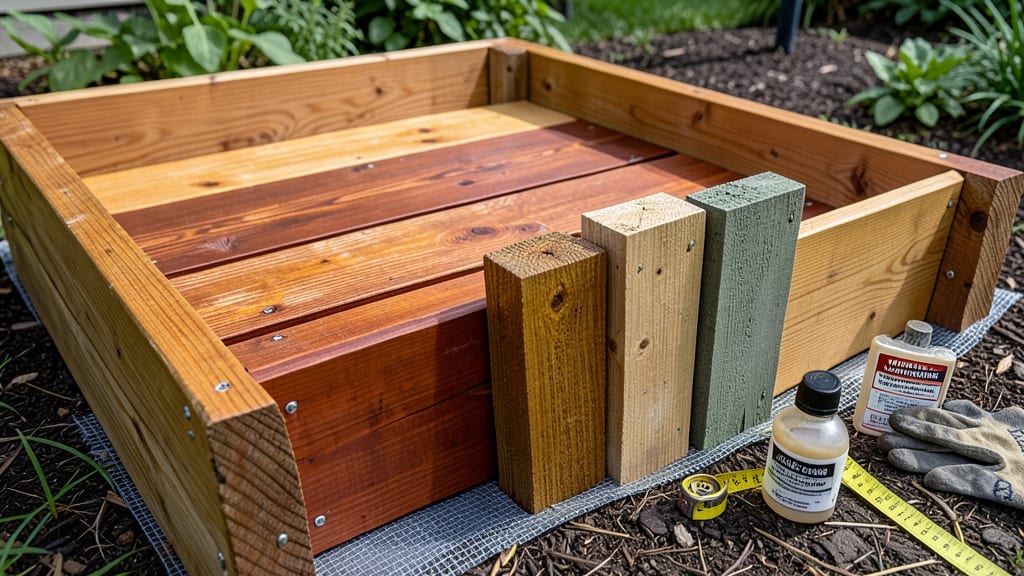
What wood to use for a garden bed means the difference between a sturdy frame that lasts for years and one that rots within months.
Picture this: you’ve just built your dream raised bed, only to find it warping and crumbling after a single rainy season. The wrong wood choice can turn your garden project into a frustrating, costly mistake.
Not all woods are created equal. Some resist rot naturally, while others need sealing or simply won’t hold up in damp climates. The best options—like cedar, redwood, and composite lumber—combine durability with low maintenance, making them worth the investment.
In this guide, I’ll break down the top rot-resistant woods, how to pick the right one for your climate, and what to avoid at all costs. Let’s get your garden bed built to last!
Top 5 rot-resistant woods for long-lasting garden beds
When building a garden bed that needs to last for years, choosing the right rot-resistant wood is critical. The wrong material can lead to warping boards, mold growth, or even toxic chemical leaching into your soil.
I’ve tested and compared the most durable options—cedar, redwood, black locust, cypress, and composite lumber—to help you make an informed decision based on your climate, budget, and maintenance preferences.
Not all woods are created equal. Some naturally resist moisture and insects, while others require sealing treatments or regular staining. For example, black locust is the toughest natural wood but can be pricey, while composite lumber offers the longest lifespan with minimal upkeep.
Let’s break down the pros, cons, and ideal uses for each to help you pick the perfect fit for your garden bed project.
| Wood Type | Rot Resistance (1-10) | Cost per Board Foot | Lifespan (Years) | Maintenance Needed | Best For |
|---|---|---|---|---|---|
| Cedar | 9/10 | $6-$12 | 15-25 | Low (occasional sealant) | Raised beds, edging |
| Redwood | 8/10 | $8-$15 | 12-20 | Low (natural oils) | Humid climates, planters |
| Black Locust | 10/10 | $10-$20 | 25-40 | None (naturally resistant) | High-traffic beds, long-term projects |
| Cypress | 8/10 | $5-$12 | 10-18 | Low (water-resistant) | Wet climates, ground contact |
| Composite Lumber | 10/10 | $12-$25 | 30-50 | None (low-maintenance) | Modern gardens, eco-friendly |
Cedar is my top recommendation for most gardeners. It’s naturally rot-resistant thanks to its high oil content, which deters insects and moisture absorption. A 6x6 cedar board typically costs between $6-$12 per board foot, making it a mid-range option that balances affordability and durability. I’ve used cedar for my raised vegetable beds in Zone 6, and after five years, the wood still looks pristine with only a light beeswax sealant applied annually.
If you live in a humid climate, redwood is another excellent choice. Its natural tannins make it highly resistant to decay, and it handles moisture better than cedar. Redwood is slightly pricier, but its 12-20 year lifespan makes it cost-effective long-term.
For example, I built a wooden planter box with redwood in my backyard, and even after three years in Florida’s heat and humidity, it shows no signs of rot.
Black locust is the toughest natural wood on this list, often called the "ironwood" of the garden world. It’s naturally pest-proof and water-resistant, with a lifespan of 25-40 years
How to choose the best wood based on your climate and budget
Your local climate and budget should dictate your garden bed wood choice. Humid regions demand rot-resistant woods like cedar or black locust, while dry areas can handle pressure-treated pine with proper sealing.
Soil acidity also plays a role—cypress thrives in wet, acidic soils, while redwood excels in neutral conditions.
First, assess your humidity levels. Coastal gardeners need woods rated 8-10/10 for moisture resistance, while inland areas can opt for 6-8/10 rated options.
Your budget per square foot will further narrow choices—composite lumber costs $12-$18/sq ft but lasts 20+ years, while cedar runs $8-$15/sq ft with 15-year lifespans.
For budget-friendly options under $10/sq ft, consider untreated pine with linseed oil sealing—ideal for dry climates like USDA Zones 5-7. However, add copper nails to prevent rust stains. If your soil is acidic (pH < 6.0), cypress outperforms cedar by 30% in rot resistance.
Calculate your total cost by multiplying wood price per sq ft by your bed's dimensions. A 4'x8' bed using cedar would cost $320-$480, while composite lumber would run $384-$576. Factor in sealing costs—$5-$10 per gallon—if using untreated woods like pine or fir.
Pro tip: Black locust contains natural tannins that repel insects, making it perfect for vegetable gardens where pests are common. Its high density also resists warping better than cedar in hot climates. Always pre-drill nail holes to prevent splitting, regardless of wood type.
Remember, lifespan isn't just about years—it's about plant health. Chemically treated woods may last longer but