
Fertilization
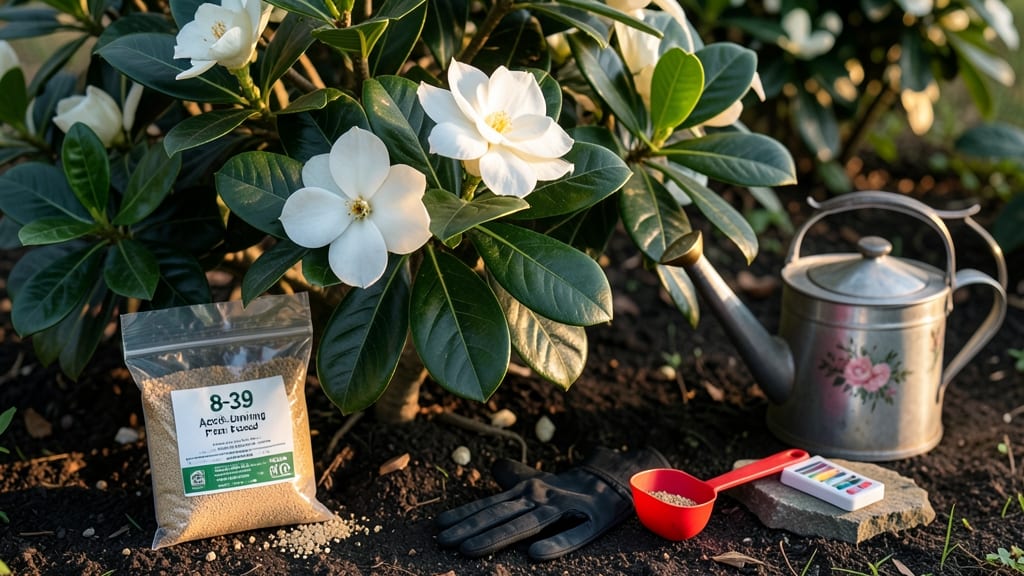
Fertilizing gardenias in Georgia at the right time is the secret to those showstopping, fragrant blooms 🌸 you’ve been dreaming of.
Picture this: You’ve just pruned your gardenias after the last frost, and the new growth is bursting with promise. But skip the fertilizer now, and you’ll end up with sparse blooms—or worse, roots struggling under Georgia’s brutal summer heat.
The key is feeding them twice a year, but only when the soil is warm and the days are long enough to support new growth.
Georgia’s humid subtropical climate means gardenias thrive with a spring kickstart and a fall tune-up, not a mid-summer dump of nutrients that burns their delicate roots.
I’ll walk you through the exact timing, the best fertilizers for acidic soil, and how to spot when you’ve overdone it—because even gardenias can’t handle too much love.
By the end, you’ll know not just when to fertilize, but how much and what to avoid—so your gardenias reward you with blooms that smell like a Georgia summer afternoon.

Best fertilization schedule for Georgia gardenias: spring & fall timing explained
Georgia’s humid subtropical climate (USDA Zones 7b-8b) gives gardenias the perfect growing conditions—but only if you fertilize at the right times. Early spring and late fall are your two key windows, aligning with the plant’s natural growth cycles.
Skipping these timings can lead to sparse blooms or even root burn, so let’s break it down by season.
Gardenias thrive on a balanced feeding schedule that matches Georgia’s warm springs and mild falls. Early bloomers (like ‘Kleim’s Hardy’) need a slightly earlier kick, while late varieties (such as ‘Radicans’) can wait until late April.
The goal? Fuel root growth in spring and root hardening in fall to survive Georgia’s occasional winter chill.
Soil preparation is just as critical as timing. Gardenias demand acidic soil (pH 5.0-6.0). Before fertilizing, test your soil and amend with peat moss or sulfur if needed. Georgia’s native clay soils often need this extra acidity boost to prevent nutrient lockout.
Now, let’s get to the fertilization timeline—your roadmap to fragrant blooms. The summary below shows the exact month-by-month schedule tailored to Georgia’s climate, including adjustments for early vs. late bloomers.
For organic gardeners, I recommend using composted pine bark or fish emulsion in spring, followed by a worm castings tea in summer. These options provide slow-release nutrients that match Georgia’s long growing season.
Synthetic fertilizers like Miracle-Gro Azalea/Camellia work well too, but always dilute by half to prevent salt buildup in our clay-heavy soils.
Application method matters just as much as timing. Always water deeply before and after fertilizing to help nutrients reach the root zone. In Georgia’s heat, early morning application is best—this gives roots time to absorb nutrients before the afternoon sun intensifies.
Avoid fertilizing when your gardenia is already flowering; this can lead to leaf burn and dropped buds.
Watch for yellowing leaves or stunted growth after feeding—these are signs of over-fertilization. If you see brown leaf tips, flush the soil with 3-4 inches of water to leach out excess salts.
How to choose the right fertilizer for Georgia gardenias: acid-loving plant essentials
Georgia’s acidic soils are perfect for gardenias, but choosing the wrong fertilizer can ruin their fragrant blooms. These plants thrive with a pH between 5.0-6.0 and need specific nutrients like iron and magnesium to prevent yellowing leaves.
Let’s break down how to select the best fertilizer for your gardenias without overdoing it.
First, focus on a slow-release fertilizer designed for acid-loving plants. Gardenias need a balanced NPK ratio like 8-4-8 or 10-6-8, with extra micronutrients. Avoid high-nitrogen fertilizers, which promote leafy growth at the expense of showy blooms.
Organic options like fish emulsion or cottonseed meal work well, but synthetic azalea fertilizers are also effective.
Here’s a quick comparison to help you decide:
Organic Fertilizers
- ✅ Improves soil health over time
- ✅ Releases nutrients slowly, reducing burn risk
- ✅ Safe for earthworms and microbes
Best for:
Long-term root development
Synthetic Fertilizers
- ✅ Provides immediate nutrient boost
- ✅ Precise NPK ratios for blooms
- ✅ Easy to measure and apply
Best for:
Quick bloom stimulation
Cons:
- ❌ Can odor or attract pests
- ❌ Slower to show results
Cons:
- ❌ Risk of over-fertilization if misused
- ❌ Doesn’t improve soil structure
For Georgia’s climate, I recommend applying fertilizer in early spring (March) and late summer (August) to align with your gardenia’s growth cycle. Start with 1 tablespoon per plant, working the granules into the top 2-3 inches of soil.
Water thoroughly after application to help nutrients absorb. If your gardenias show signs of chlorosis (yellow leaves), add a chelated iron supplement to the soil.
Avoid fertilizing in late summer or fall, as this can encourage tender new growth that won’t survive Georgia’s cool winters. Instead, focus on mulching with pine straw or oak leaves to maintain soil acidity naturally.
Over-fertilizing is a common mistake—too much nitrogen causes leafy growth without blooms, while excess phosphorus can harm beneficial microbes in the soil.
Test your soil’s pH every 2-3 years using a home test kit. If the pH rises above 6.0, amend the soil with sulfur or peat moss to restore acidity.
Your gardenias will reward you with glossy leaves and abundant blooms when their nutritional needs are met just right. 🌸