
Planting
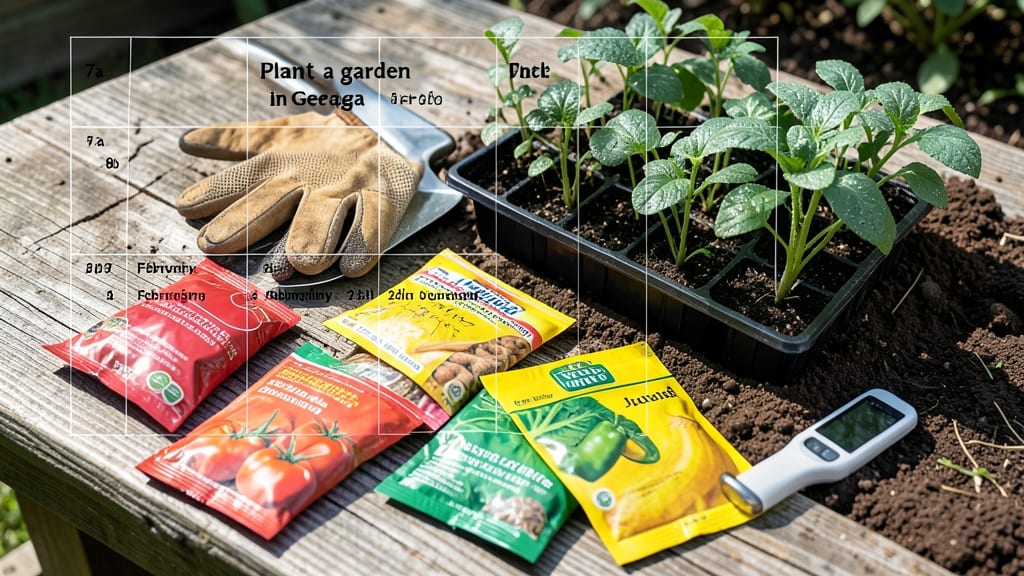
Planting a garden in Georgia means timing your 🌱 crops to avoid frost and maximize yields—cool-season veggies like lettuce and peas go in by late February, while tomatoes and peppers wait until April.
Miss these deadlines, and you’ll either lose seedlings to late frosts or watch summer heat stall your harvests. Georgia’s long growing season is a gardener’s dream, but the 100-day window between last and first frost is where the magic happens.
This guide breaks down the exact months for cool-season crops (February–March), warm-season staples (April–May), and fall replants (September–October), plus how to adjust for North vs. South Georgia’s microclimates.
You’ll leave here with a custom planting schedule, soil prep tips for Zone 7B-8A, and the secrets to year-round success—no guesswork, just peak harvests.
Georgia’s planting calendar by season: exact dates for cool vs. warm-season crops
Georgia’s USDA Zones 7B-8A offer gardeners a 210-240-day frost-free window, but knowing the exact last-frost averages (typically March 15 in most regions) is key to avoiding frost damage.
Cool-season crops like lettuce and broccoli thrive in cooler temperatures, while tomatoes and peppers demand warmth—so timing matters more than you might think.
In North Georgia (Zone 7B), expect earlier frosts than in South Georgia (Zone 8A), where the growing season stretches longer. For example, spinach planted in February may bolt by April in cooler areas, while sweet potatoes need June-July to mature in hotter regions.
Let’s break down the month-by-month planting schedule to maximize your harvests.
🌱
For cool-season crops, start seeds indoors in February (e.g., broccoli and cabbage) to transplant after the last frost.
In North Georgia, aim for March 15, while South Georgia gardeners can push it to March 30. Lettuce and spinach can even handle light frosts, making them ideal for February sowing in protected beds.
Warm-season crops like tomatoes and peppers need soil temperatures above 60°F, so wait until April 15 in North Georgia or March 30 in South Georgia.
If you’re eager to plant earlier, use black plastic mulch to warm the soil faster. Cucumbers and squash also thrive in heat but bolt if planted too early—so patience pays off!
Summer’s heat-tolerant crops like okra and sweet potatoes should go in after June 1, when daytime temps consistently hit 80°F+.
These plants love the heat and will wilt if planted in cooler spring soil. Southern peas (like purple hulls) are another great choice for July-August planting—they fix nitrogen in the soil while producing flavorful pods.
Fall planting is your chance to extend the season with kale, carrots, and radishes. Start seeds in August for a September-October harvest, or direct-sow in late August for quicker maturing varieties. Turnips and beets also handle light frosts, making them perfect
How to adjust planting times for Georgia’s microclimates and unpredictable weather
Georgia’s diverse microclimates—from Atlanta’s cooler mountain breezes to Savannah’s humid coastal heat—can throw off even the most precise planting schedules. What works in Zone 7B Atlanta may fail in Zone 8A Savannah, where summer heat arrives earlier.
The key? Flexibility. I’ve learned to adjust deadlines by 1-2 weeks based on local conditions, using tools like row covers and heat-resistant varieties to stretch seasons.
Start by checking your last frost date, which can vary by 10-14 days across the state. For example, Athens typically sees frost by March 15, while Valdosta might not until March 1.
Use these dates as a starting point, not a rule. I always plant cool-season crops like lettuce and spinach 2 weeks earlier in northern Georgia to avoid early spring frosts.
⚠️ callout warning ⚠️
- False Springs: A 70°F day in February can trick you into planting early—only for a 28°F night to return. Wait until soil temps stay above 50°F for 5 days.
- Heat Waves: Savannah’s 90°F+ days in May can scorch tomato seedlings if planted too soon. Use shade cloth or delay until June.
- Humidity Traps: Coastal areas like Brunswick suffer from fungal diseases if plants aren’t spaced properly. Increase airflow with trellises or drip irrigation.
For warm-season crops like okra and sweet potatoes, I shift my timeline 2 weeks later in northern Georgia to avoid late spring heat stress.
In southern Georgia, I plant black-eyed peas as early as February, while in Atlanta, I wait until April 15. Row covers are my secret weapon—they add 2-4°F of warmth, letting me plant cabbage in late February instead of March.
Choose heat-tolerant varieties like ‘Heatmaster’ tomatoes or ‘Malabar spinach’, which thrive in 95°F+ temps. I’ve also had success with ‘Southern Exposure’ seeds, which offer region-specific recommendations. For example, their ‘Georgia Tomato’ variety matures 10 days faster than standard types in Zone 8A.
Extend your fall harvest by planting broccoli in early September—this gives it time to mature before first frost (usually November 15). Use black plastic mulch to warm soil and straw mulch to retain moisture. I’ve harvested kale well into December using this method in Zone 7B.
Monitor your garden’s microclimate daily. A shady spot near a fence might stay 5°F cooler than the open bed, perfect for lettuce in summer. Adjust your schedule based on what you observe—your garden’s data is more reliable than a generalized calendar.
With these tweaks, you’ll turn Georgia’s unpredictable weather into an advantage. 🌱