
Shrubs
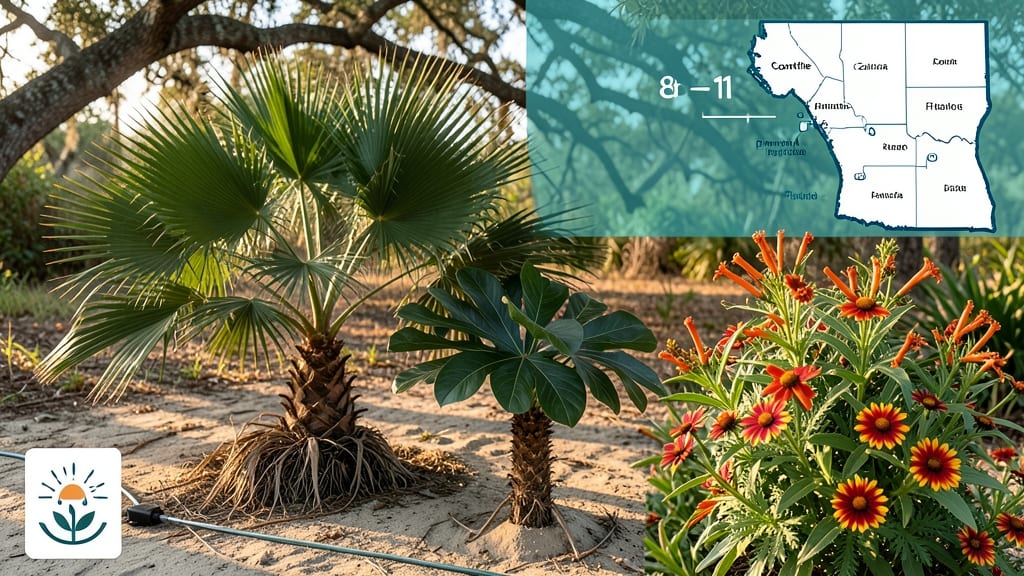
Understanding Florida gardening zones requires knowing the state spans USDA zones 8a through 11, with most areas falling between 9a and 10a—but coastal breezes, inland humidity, and elevation changes can shift these zones by up to 2 levels. Always check your specific microclimate before planting long-term shrubs or perennials.
Florida's unique geography creates these zone variations. The Gulf Stream warms coastal areas like Miami (zone 11), while inland cities such as Orlando (zone 9b) experience cooler nights. 🌿 Even within a single county, elevation differences of just 100 feet can push hardiness zones up or down.
For example, citrus thrives in zone 9a but may struggle in cooler inland pockets of zone 8b. I always recommend consulting your county extension office for precise local data—they often have detailed microclimate maps that standard USDA charts miss.
These variations matter most for tropical plants and evergreens.
A coastal garden in Fort Lauderdale might support palmettos and bougainvillea year-round, while just 30 miles inland in Boca Raton, the same plants may need winter protection. Seasonal timing also shifts: coastal areas can plant tropicals in early spring, while inland zones wait until after frost dates.
Always verify your exact location's last frost date—Florida's can vary by weeks between microclimates.
💡 In This Article
- How Florida’s Microclimates Affect Plant Hardiness
- Best Florida Plants for Each USDA Zone and Microclimate
How Florida’s microclimates affect plant hardiness
Florida’s gardening zones aren’t just about latitude—they’re shaped by powerful forces like the Gulf Stream, elevation changes, and humidity patterns.
The warm ocean currents push coastal areas like Miami into zone 11, where temperatures rarely dip below 25°F, while inland cities like Orlando sit in zone 9b with cooler winter lows around 20°F.
This 5°F difference can mean the gap between a thriving garden and a struggling one. 🌊 For example, royal palms (zone 10+) flourish in Miami but may suffer frost damage just 50 miles inland without protection.
The state’s topography creates dramatic shifts too. Even within a single county, elevation changes of 100 feet can push hardiness zones up or down by half a zone. High ground in the Everglades stays warmer at night due to radiant heat, while low-lying areas near lakes experience cooler microclimates.
Urban heat islands in cities like Tampa add another layer—concrete and asphalt can raise temperatures by 5-10°F compared to rural areas, creating pockets where tropical plants can thrive when they shouldn’t according to the USDA map.
Humidity plays a surprising role too. Coastal areas with 80-90% humidity create a greenhouse effect, protecting plants from cold snaps that would devastate them inland. I’ve seen hibiscus bushes survive 28°F nights near the coast when identical plants 20 miles inland died at 30°F.
This moisture buffer explains why tropical plants like bird-of-paradise (zone 10) can sometimes survive in zone 9b coastal gardens when they’d normally fail.
Wind patterns add another variable. The prevailing winds off the Gulf and Atlantic bring warmer air to western and eastern coasts, while central Florida experiences more continental air masses. This creates a west-to-east gradient where plants mature faster near the coast.
For instance, sweet potatoes (zone 9-11) might take 120 days to harvest in Orlando but only 100 days in Fort Myers due to these warmer coastal winds.
Even soil composition matters—sandy coastal soils drain quickly, keeping roots warmer, while clay-heavy inland soils retain cold longer. This explains why citrus trees in zone 9a coastal areas produce fruit year-round, while identical trees in zone 9b inland soils may need winter protection.
The key takeaway? Florida’s microclimates create such dramatic variations that your neighbor’s garden might be two zones different from yours—even if you’re just a few miles apart. 🌡️
To navigate this complexity, I always recommend using three tools: your county’s extension service maps, a minimum temperature tracker for your specific location, and on-the-ground observations. Most garden centers in Florida now offer localized planting guides that account for these microclimate factors—far more accurate than generic USDA charts.
The bottom line? Florida’s gardening zones are less about the big picture and more about understanding your tiny corner of this geographically diverse state.