
Tools
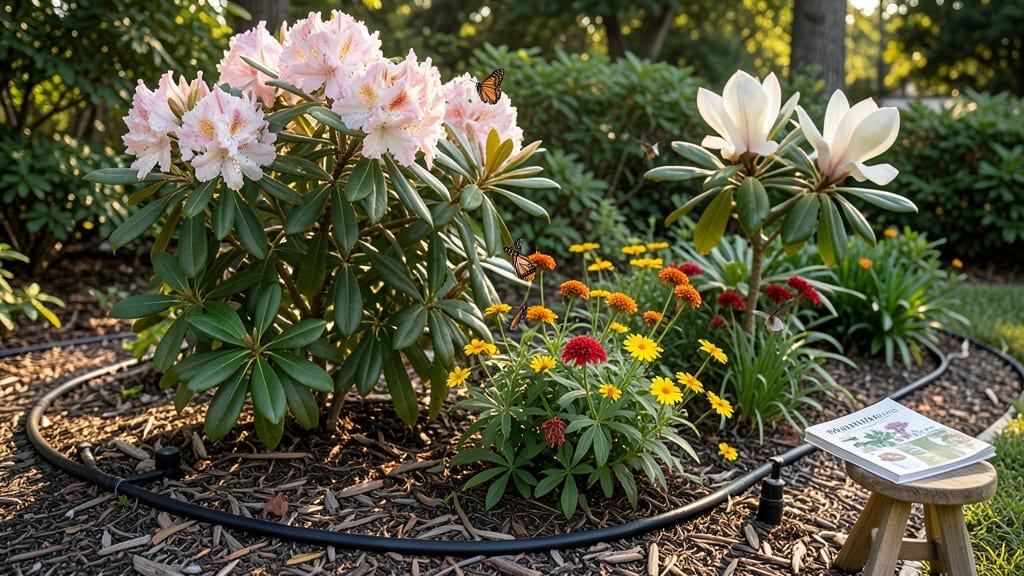
Gardening in Virginia thrives across USDA hardiness zones 4-8, with ideal crops like tomatoes, peppers, and herbs for zones 7-8, while cooler zones (4-6) suit kale, broccoli, and potatoes. Plant spring crops in March-April and fall crops in August-September for best yields, adjusting for Virginia’s humid subtropical climate and occasional late frosts.
Virginia's gardening success hinges on understanding its diverse climate zones and seasonal patterns.
The state's humid subtropical regions create ideal growing conditions for warm-season vegetables, but cooler mountain areas require cold-hardy varieties. 🌱 I've found that coastal Virginia's milder winters extend growing seasons, while the Piedmont's hot summers demand shade for delicate plants.
The key is matching crops to your specific zone—whether you're in the 4-6 cooler areas or the warmer 7-8 regions—and planning around Virginia's unpredictable spring frosts.
For maximum productivity, I recommend starting seeds indoors 6-8 weeks before the last frost date in your area. Many gardeners swear by companion planting—pairing tomatoes with basil or marigolds—to deter pests naturally. Don't overlook fall planting either; many crops like spinach and radishes thrive in Virginia's cooler autumn temperatures.
💡 In This Article
- Virginia’s Hardiness Zones and Microclimates
- Seasonal Planting Calendar for Virginia Gardens
Virginia’s hardiness zones and microclimates
Virginia’s gardening success depends on its USDA hardiness zones 4-8, which create dramatically different growing conditions across the state. The coastal plain (zones 7b-8a) enjoys milder winters with average lows of 10-20°F, while the Appalachian Mountains (zones 4b-6a) experience harsh winters with -10°F temperatures.
This 10-30°F difference forces gardeners to select cold-hardy crops like broccoli in zone 4 versus heat-loving tomatoes in zone 8.
The Piedmont region (zones 6b-7a) acts as a transitional zone where gardeners can grow both cool-season crops like kale and warm-season peppers. What makes Virginia unique is its humid subtropical climate—coastal areas receive 48-60 inches of rain annually, while the mountains get only 30-40 inches.
This moisture gradient affects irrigation needs and fungal disease risks. The Atlantic coast also benefits from warmer ocean currents that delay first frosts until mid-November, giving gardeners an extra month for fall crops compared to inland areas.
Microclimates further complicate planting decisions. A south-facing slope in zone 6 might reach 90°F+ in summer, allowing you to grow peppers when your neighbor's north-facing yard can't. Similarly, urban heat islands in cities like Richmond (zone 7b) can push temperatures 5-10°F higher than surrounding rural areas.
These variations explain why some gardeners in zone 6 successfully grow basil while others struggle—it's all about understanding your specific microclimate's heat retention and wind patterns.
Frost dates are another critical factor. The last spring frost typically occurs March 15-April 15 in coastal zones but can linger until May 1 in the mountains.
This 4-6 week difference means zone 4 gardeners should wait until late April to plant tomatoes, while zone 8 gardeners can start in March. The first fall frost arrives October 15-November 15, with mountain areas freezing 2-4 weeks earlier than coastal regions.
For gardeners in transition zones (like zone 6), the solution lies in season extension techniques. Cold frames can push planting dates 2-3 weeks earlier in spring, while row covers extend fall harvests by 4-6 weeks.
I've found that choosing varieties with shorter maturity times (like 50-day tomatoes) gives you more flexibility when frost dates are unpredictable. The key is matching your crop's days-to-maturity with your local frost-free period.
Consider these regional growing realities when selecting plants:
- Coastal Virginia (zones 7-8): Focus on heat-tolerant crops like okra (90+°F tolerance) and sweet potatoes that thrive in 90+°F summers
- Piedmont (zones 6-7): Prioritize adaptable crops like Swiss chard that handle 80-95°F ranges and 30-50°F nights
- Mountains (zones 4-6): Choose cold-hardy varieties like 'Winterbor' kale that survive 20°F temperatures
Understanding these variations lets you turn Virginia's climate challenges into gardening advantages. The right plant selection can mean the difference between a bountiful harvest and a disappointing season—especially when you're working with just 180-210 frost-free days in most of the state. 🌿