
Planting
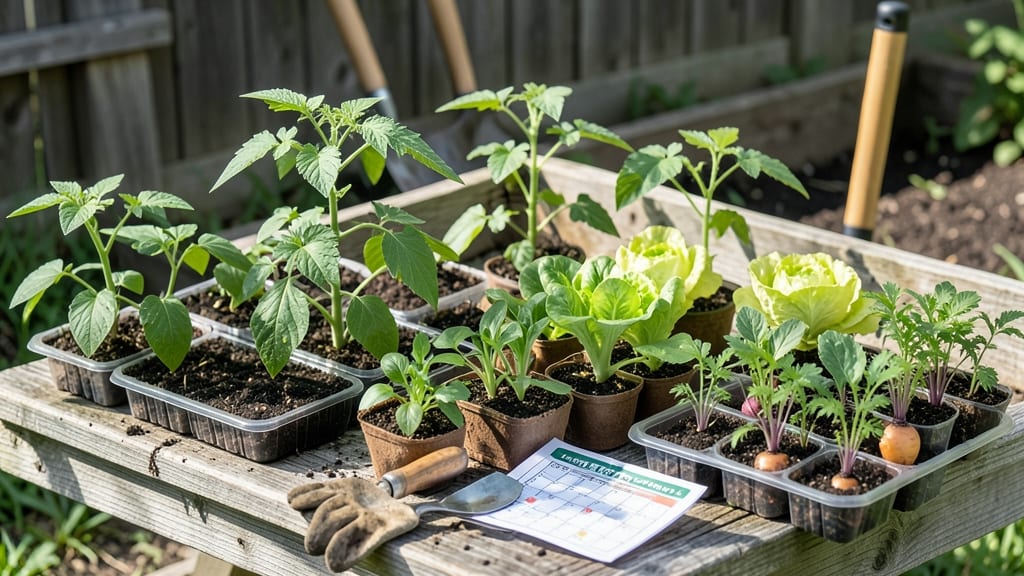
Planting a vegetable garden in Virginia at the right time means the difference between a bountiful harvest and a sad pile of withered seeds.
Virginia’s mild winters and hot summers create a gardener’s paradise—but timing your plantings wrong can mean wasted seeds and stunted harvests. Miss the frost dates, and your tomatoes might bolt; plant too early, and your peas could freeze.
With USDA Zones 6b–8a across the state, the ideal window for cool-season crops like lettuce and spinach opens as early as February in the warmer Coastal Plain, while the Piedmont and Mountains wait until March or April.
Here’s your exact planting schedule for Virginia’s Zone 7a/7b, broken down by crop and season, so you can maximize your garden’s potential without the guesswork.
Virginia’s frost dates and ideal planting windows for Zone 7a/7b vegetables
Understanding Virginia’s frost dates is the key to unlocking your garden’s full potential. In Zone 7a/7b, the last frost date typically falls between March 15 and April 15, while the first frost arrives between October 20 and November 15.
These dates create a 220-240 day growing season, giving you ample time to grow both cool-season and warm-season crops—if you time it right. For example, planting lettuce too early in spring risks frost damage, while tomatoes planted too late may struggle with Virginia’s intense summer heat.
To navigate these challenges, I’ve broken down the ideal planting windows for Virginia’s most popular vegetables. Whether you’re a beginner gardener or a seasoned pro, these guidelines will help you avoid common pitfalls like bolting greens or wilting tomatoes.
The secret? Matching your crop’s temperature preferences with Virginia’s climate patterns. For instance, peas and spinach thrive in cooler weather, while okra and sweet potatoes need the heat of summer to flourish.
Here’s your Virginia-specific planting calendar, organized by crop type and season. This summary table includes last frost dates, planting windows, and heat-tolerant varieties that perform best in Zone 7a/7b.
For cool-season crops, like broccoli, cabbage, and carrots, start seeds indoors in February or direct-sow in early spring (March–April). These plants can handle light frosts and even thrive in cooler temperatures, making them ideal for Virginia’s shoulder seasons.
However, avoid planting them too early—soil temperatures below 40°F can stunt growth. A simple trick? Use a soil thermometer to ensure temperatures are consistently above 45°F before sowing.
When it comes to warm-season crops, like tomatoes, peppers, and cucumbers, wait until after the last frost date and when soil temperatures reach at least 60°F. In Virginia, this typically means mid-to-late April for most regions.
For extra insurance, use black plastic mulch to warm the soil faster. I’ve found that ‘Celebrity’ tomatoes and ‘Jupiter’ bell peppers are particularly well-suited to Virginia’s climate, as they tolerate both heat and humidity better than many other varieties.
Virginia’s summers can be brutal, with temperatures often exceeding 90°F. To combat this, opt for heat-tolerant varieties like ‘Heatmaster’ tomatoes or ‘Early Girl’ peppers, which are bred to withstand high temperatures and still produce abundant harvests.
Additionally, consider succession planting in late summer for crops like bush beans and zucchini. This ensures you’re not overwhelmed with a single
Best vegetables to plant in Virginia by season (with local variety recommendations)
Virginia’s four distinct seasons offer gardeners a long growing window for fresh vegetables. From heat-resistant tomatoes to cold-hardy greens, the right varieties thrive in our Zone 7a/7b climate.
Local favorites like ‘Celebrity’ tomatoes and ‘Blue Lake’ bush beans perform exceptionally well, but timing is everything—plant too early, and frost will damage tender seedlings; too late, and summer’s heat will stress sensitive crops.
To simplify, I’ve organized the best-performing vegetables by season, including Virginia-tested varieties and ideal planting windows. Whether you’re a beginner or a seasoned gardener, these recommendations will help you maximize your harvests year-round. Let’s dive into the seasonal planting guide tailored for Virginia’s unique climate.
- 🌿 Spring (March–May): Plant cool-season crops like ‘Winterbor’ kale, ‘Sugar Snap’ peas, and ‘Early Girl’ potatoes as soon as soil is workable (40°F+). Use row covers for early starts.
- ☀️ Summer (June–August): Focus on heat-tolerant varieties like ‘Celebrity’ tomatoes, ‘Blue Lake’ bush beans, and ‘Okra ‘Clemson Spineless’. Succession plant lettuce every 2 weeks for continuous harvests.
- 🍂 Fall (September–November): Sow cold-hardy crops such as ‘Winter Density’ spinach, ‘Ruby Streak’ beets, and ‘Carolina Gold’ sweet potatoes. Extend harvests with low tunnels until first frost.
- ❄️ Winter (December–February): Grow overwintering crops like ‘Winterbor’ kale, ‘Arugula ‘Astro’, and ‘Garlic ‘Music’ under protective cover. Mulch heavily to insulate soil.
For spring planting, prioritize cool-season vegetables that tolerate light frosts, like ‘Sugar Snap’ peas and ‘Winterbor’ kale. These varieties thrive in Virginia’s early spring soil temperatures (40–50°F) and can even handle a light frost without damage.
Start seeds indoors 4–6 weeks before your last expected frost date (typically mid-March to early April), then transplant seedlings once soil warms.
Summer in Virginia demands heat-resistant varieties to survive temperatures that often exceed 90°F. ‘Celebrity’ tomatoes and ‘Blue Lake’ bush beans are local favorites because they withstand heat and produce abundantly. Plant these after the last frost (usually mid-April to early May) and provide consistent moisture to prevent bolting.
For succession planting, sow lettuce or radishes every 2 weeks to ensure a steady harvest.
Fall offers a second planting window for cold-hardy crops like ‘Ruby Streak’ beets and ‘Winter Density’ spinach. These vegetables thrive in cooler temperatures and can often be harvested until first frost (typically late October to November).
To extend the season, use row covers or cold frames to protect tender greens from light frosts and early cold snaps.
Even winter gardening is possible in Virginia with the right protective strategies. ‘Winterbor’ kale and ‘Arugula ‘Astro’ are cold-hardy and can be grown under hoop houses or thick mulch.
Plant these 8–10 weeks before the first expected frost (typically late August to early September) for a winter harvest. Garlic, planted in fall, also thrives in Virginia’s cool winter months and produces bold, flavorful bulbs the following summer.
To keep your garden productive year-round, rotate crops seasonally and amend soil with compost or aged manure before each planting.
Virginia’s rich soil and favorable climate make it possible to grow a diverse range of vegetables—just follow the seasonal guidelines above, and you’ll enjoy fresh, homegrown produce from spring to winter. Happy gardening! 🌱