
Tools
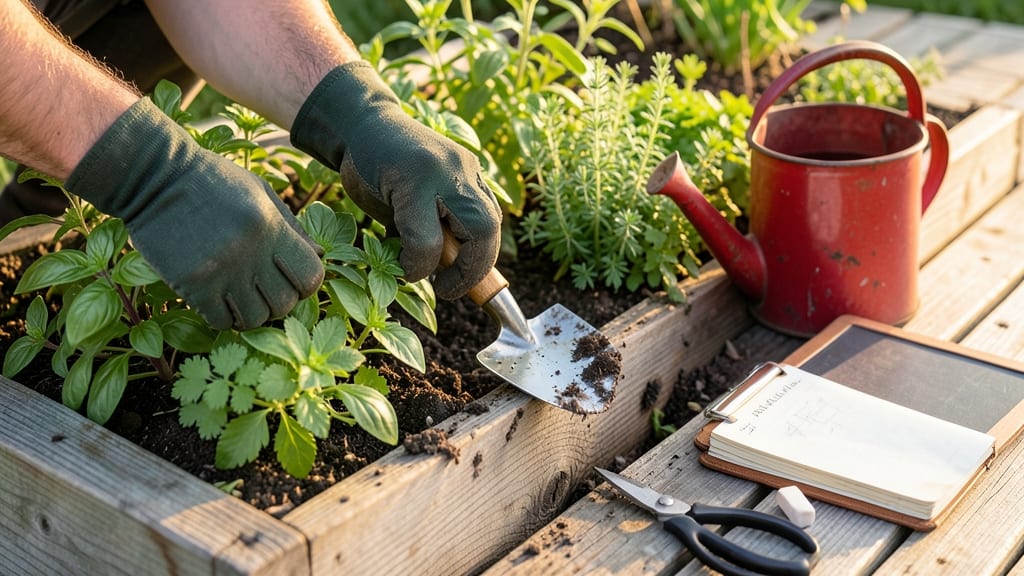
Adult gardening classes near you provide practical training for new gardeners, teaching essential skills like soil preparation, plant maintenance, and seasonal gardening through expert-led sessions at community centers or botanical gardens.
These classes go beyond basic theory by giving you real-world experience with tools and techniques. 🌱 Whether you're starting a vegetable patch or maintaining ornamental plants, instructors often tailor lessons to your local climate and common pests.
Many programs also include plant identification workshops, which help you recognize healthy growth patterns and troubleshoot issues early. The hands-on approach ensures you leave with confidence to apply what you've learned right away.
Local classes often connect you with gardening communities, which can be just as valuable as the instruction itself. You'll meet fellow beginners and seasoned gardeners who share tips, swap plants, and even organize group projects.
This social aspect turns learning into an ongoing support network that keeps you motivated throughout the growing seasons.
💡 In This Article
- What to Expect in Adult Gardening Classes Near You
- How to Find and Choose the Best Local Gardening Classes
What to expect in adult gardening classes near you
Most beginner gardening classes near you start with foundational lessons in soil science—what you’ll learn is how to test your soil’s pH (typically between 6.0 and 7.0 for most vegetables) and amend it with compost or organic matter.
Instructors often demonstrate how to mix 2-3 inches of compost into the top 6-12 inches of soil to improve drainage and nutrient retention. 🌱 You’ll also practice tool handling, including how to use a trowel (for planting), pruners (for trimming), and a soil knife (for transplanting), with emphasis on proper grip techniques to avoid hand strain.
The curriculum then shifts to plant biology, where you’ll dissect seed packets to understand germination rates (most seeds sprout within 7-14 days when kept at 65-75°F with consistent moisture).
Classes often include hands-on demonstrations of seed-starting trays and how to transplant seedlings without damaging roots—a critical skill for beginners who frequently lose plants due to root disturbance.
Pest management is another key focus, where you’ll learn to identify common culprits like aphids (tiny green insects) and slugs (silver trails at night) using organic sprays or physical barriers.
Class formats vary widely, but most programs offer either one-time workshops (ideal for learning a single skill, like pruning) or multi-week courses (better for comprehensive training).
Workshops often run 2-4 hours and cost between $20-$50, while ongoing courses may span 6-8 weeks with weekly 2-hour sessions priced at $100-$300.
Many instructors incorporate seasonal themes, such as spring planting (focused on cool-season crops) or fall prep (covering mulching and winterizing plants), ensuring you leave with actionable steps for the current growing season.
What sets these classes apart is their emphasis on practical, error-friendly learning. For example, you might practice transplanting seedlings into pots filled with sphagnum moss (which retains moisture better than regular soil) to see how roots adapt.
Instructors often share their own "gardening fails"—like overwatering or planting too deep—to help you recognize common mistakes. This hands-on approach builds confidence quickly, especially when paired with take-home guides that outline step-by-step processes for tasks like composting or building raised beds.
Another highlight is the focus on local adaptations. Classes tailored to your region (e.g., drought-resistant plants in the Southwest or shade-loving varieties in the Pacific Northwest) teach you which plants thrive in your specific climate zone.
You’ll also learn to read microclimates—how a south-facing wall can extend the growing season by 2-4 weeks in cooler areas—so you can maximize your garden’s productivity. Many programs even offer follow-up sessions where you can bring photos of your plants for personalized troubleshooting.
For beginners, the most valuable takeaway is often the community aspect. Classes frequently include group projects, like building a shared raised bed or organizing a plant swap, which fosters connections with other learners. These networks become invaluable for sharing cuttings, trading seeds, or getting last-minute advice on pests.
The social support alone can turn a hobby into a sustainable practice, as you’re less likely to abandon gardening when you have peers to learn from and encourage you.