
Tools
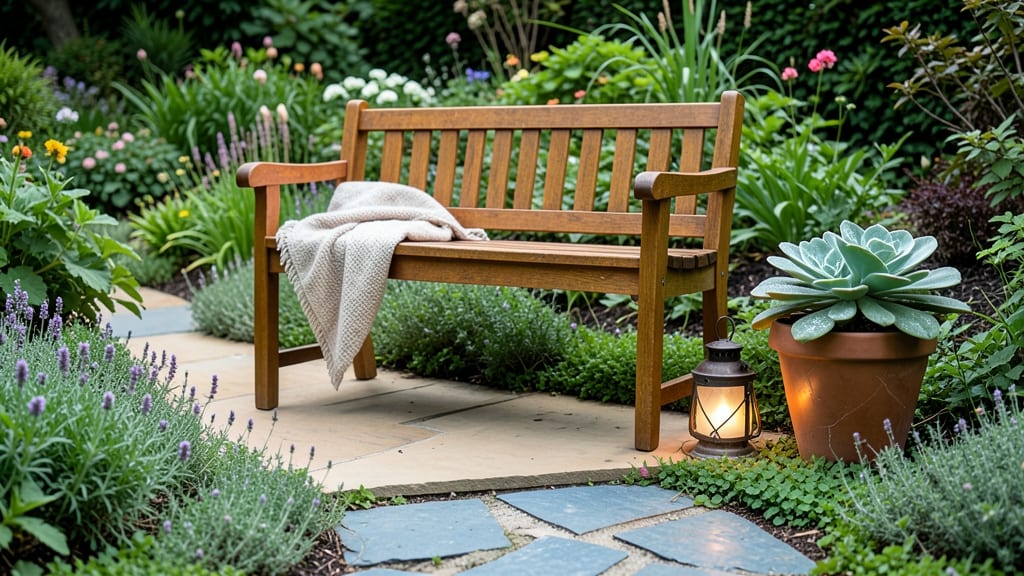
To find a garden bench near you, visit local garden centers, home improvement stores like Home Depot or Lowe’s, or specialty outdoor retailers that carry durable wood, metal, or resin options with weather-resistant finishes. Look for sales or customization options to fit your yard’s style and size.
Your local outdoor living stores often carry benches designed to withstand your climate—whether that means cedar’s natural rot resistance in humid areas or powder-coated metal that won’t rust in coastal regions. 🌳 Many retailers also offer seasonal promotions where you can find high-quality benches at 30-50% off their regular price, making it the perfect time to upgrade your patio or garden space.
Pro tip: Ask about assembly services if you’re dealing with larger pieces, as some stores include this for free with purchase.
For those who prefer browsing before buying, online platforms like Wayfair or Overstock let you filter by local pickup availability, ensuring you can see the bench in person before committing.
This hybrid approach lets you combine the convenience of online shopping with the tactile satisfaction of testing materials and comfort firsthand.
💡 In This Article
- Best Materials for Outdoor Garden Benches
- How to Locate Nearby Garden Bench Retailers
Best materials for outdoor garden benches
Outdoor benches face relentless exposure to sun, rain, and temperature swings—so material choice isn't just about looks, but survival. Cedar stands out for its natural oils that repel moisture and insects, making it ideal for humid climates where rot is a concern.
A cedar bench typically lasts 10-15 years with minimal sealing, while teak (another top pick) contains natural oils that harden when exposed to UV light, creating a protective layer. Teak's rich grain and golden patina develop over time, but its $1,200-$2,500 price tag makes it a splurge for most homeowners.
Metal benches—especially powder-coated aluminum or wrought iron—offer unmatched durability in high-traffic areas. Aluminum resists rust and won't warp like wood, while wrought iron adds classic elegance with its intricate scrollwork. The trade-off? Metal can get uncomfortably hot under 90°F+ sun unless you opt for cushioned seats.
Resin (plastic) benches are the budget-friendly alternative, often priced at $150-$300, but they lack the natural beauty of wood and may fade or crack over 3-5 years of heavy use.
Your climate dictates the best material: In coastal areas, salt air demands metal or treated wood, while dry regions can handle untreated cedar or redwood.
For example, a teak bench in Arizona might last twice as long as the same bench in Florida's humidity. 🌞 Pro tip: Always check the manufacturer's warranty—high-quality cedar benches often come with 5-10 year guarantees against rot, while cheaper alternatives may offer none.
Maintenance varies wildly too. Cedar requires annual sealing to preserve its color, while teak needs occasional oiling to prevent drying. Metal benches only need bi-annual rust checks on welds, and resin benches?
Just a hose-down. If you're on a tight budget but want longevity, pressure-treated pine ($200-$400) is a smart middle ground—just expect to replace it every 5-7 years in wet climates.
For customization, some retailers offer powder-coated metal frames with wood slats, combining durability with natural aesthetics.
This hybrid approach lets you match your bench to existing patio furniture while avoiding the high cost of all-wood designs. 🔨 The key is balancing your yard's needs with your willingness to maintain—because a $500 bench that lasts 20 years is far better than a $200 bench that needs replacing annually.