
Planting
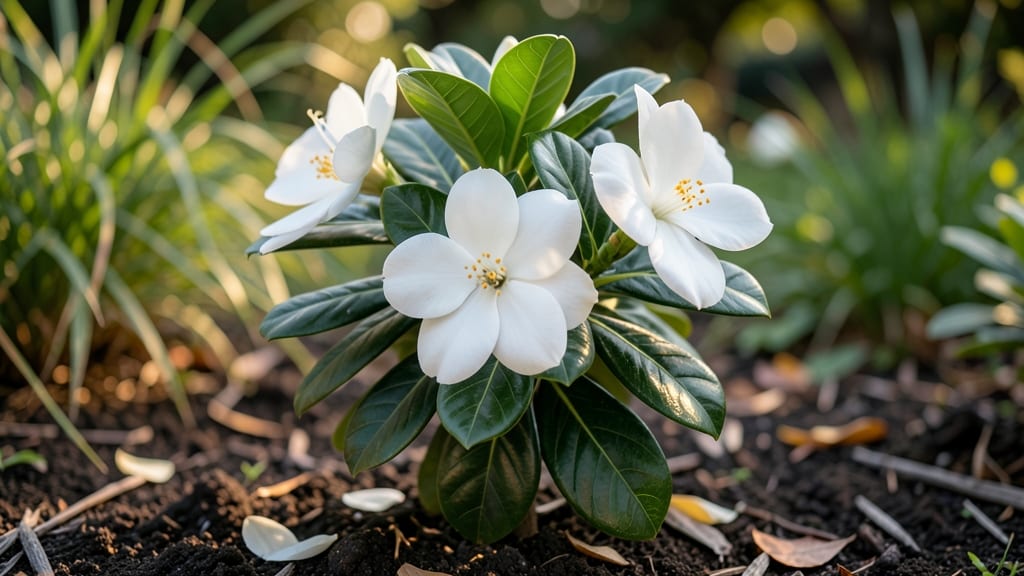
Gardenia plants thrive best in USDA hardiness zones 7 through 11, where warm temperatures and frost-free conditions support their tropical nature. In cooler climates, container cultivation or winter storage protects them from freezing damage.
Gardenia's tropical origins explain why temperature sensitivity is their biggest challenge—these plants can't tolerate freezing temperatures, which is why zones 7-11 provide the ideal balance of warmth and humidity. 🌿 In zones 6 or below, gardeners often use container growing or greenhouse setups to create microclimates that mimic their native conditions.
The key is maintaining soil temperatures above 50°F and protecting roots from cold snaps, which can kill the plant's delicate foliage and buds.
What many don't realize is that even within their preferred zones, gardenias need consistent warmth—they'll struggle if nighttime temperatures drop below 60°F for extended periods. That's why coastal areas or sheltered garden spots often work slightly better than inland locations, as they benefit from milder microclimates.
For container gardeners, moving plants to protected areas during fall's first frost is absolutely critical.
💡 In This Article
- How USDA Zones Affect Gardenia Growth and Survival
- Microclimate Hacks to Grow Gardenias Outside Their Native Zone
How USDA zones affect gardenia growth and survival
Gardenia's tropical heritage means they're exquisitely sensitive to temperature shifts, particularly the 50-60°F range where their metabolic processes slow dramatically. In USDA zones 7-11, gardenias experience consistently warm winters (above 40°F) that prevent dormancy stress, allowing their roots to remain active and support continuous growth.
The plant's native habitat in Southeast Asia receives 12-14 hours of daylight year-round, which explains why gardenias struggle in northern zones where shorter winter days trigger premature dormancy and bud drop.
The real damage occurs when temperatures dip below 32°F—this causes cellular damage in the leaves and stems, creating brown, crispy patches that spread rapidly. What's fascinating is how the plant's waxy leaf coating (cuticle) actually traps moisture, which freezes and ruptures cells during frost.
In zone 10, where winters rarely drop below 45°F, gardenias can bloom year-round, while in zone 7, they'll only flower reliably in late spring through summer when soil temperatures reach 65°F.
Humidity plays an equally critical role—gardenia leaves have specialized stomata that require 50-70% relative humidity to prevent dehydration. In arid inland zones (like parts of zone 7), gardenias often develop leaf scorch despite proper watering because the air simply can't hold enough moisture.
That's why coastal gardeners in zone 8 often see better success—the ocean breeze provides natural humidity while the moderating ocean temperatures prevent extreme cold snaps.
For gardeners in marginal zones, understanding the 10°F increment differences between USDA zones is crucial. A zone 7a winter (where temps can hit 0°F) is far more challenging than zone 7b (5°F minimum).
The solution often lies in creating artificial microclimates—like planting near south-facing walls where afternoon sun creates a 5-10°F warmer environment than the surrounding area.
What most people overlook is how gardenias respond to temperature fluctuations. While they can tolerate brief dips to 40°F, prolonged exposure below 50°F triggers a stress response that diverts energy from blooming to survival.
This explains why container-grown gardenias in zone 6 often outperform in-ground plants—they can be moved to protected areas during cold snaps, maintaining their ideal 65-85°F growing range.
The plant's root system is particularly vulnerable—gardenia roots extend only 12-18 inches deep and are highly sensitive to soil temperature changes.
In cooler zones, gardeners must use 6-12 inches of mulch (like pine straw or shredded bark) to insulate roots, creating a buffer zone that maintains soil temps above 55°F even when air temperatures drop.
This insulation is especially critical during the first and last frosts of the season, when plants are most vulnerable.