
Propagation
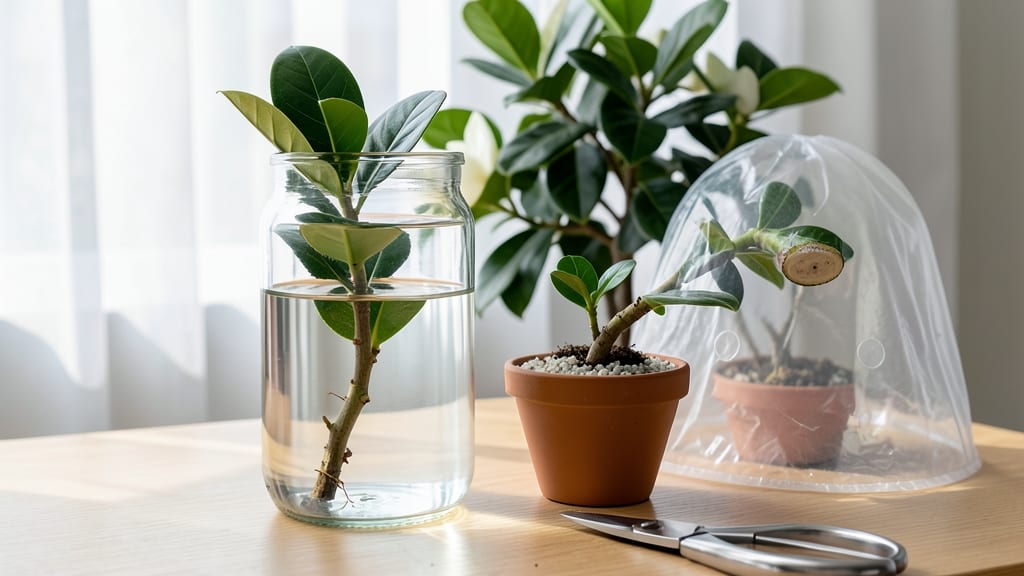
Growing gardenia from cuttings works best when you use semi-ripe stems taken in late spring or early summer, apply rooting hormone, and maintain a warm, humid environment with bright indirect light. Spring cuttings typically root more successfully than those taken in other seasons, especially if you keep the soil consistently moist.
Gardenia cuttings thrive when you time them right—spring's rising temperatures and increased humidity create perfect conditions for root development. 🌱 The key is selecting stems that are mature enough to have formed but not yet hardened, usually found just below new growth.
I've found that using a mix of perlite and peat moss keeps the cuttings stable while allowing airflow, which prevents rot. For best results, maintain a humidity level above 70% and avoid direct sunlight, which can scorch tender new roots.
What many gardeners don't realize is how critical the rooting hormone step is—it can double your success rate. Once roots appear (usually in 4-8 weeks), gradually acclimate the cuttings to normal humidity levels before transplanting.
This slow transition helps prevent shock, which is why I recommend waiting until you see at least 2 inches of new root growth before moving them permanently.
💡 In This Article
- Best Time and Season for Gardenia Cuttings
- Step-by-Step Rooting Process for Gardenia Cuttings
Best time and season for gardenia cuttings
The ideal window for taking gardenia cuttings aligns with the plant's natural growth cycle, specifically late spring through early summer when gardenias produce semi-ripe wood. This stage occurs just as new growth begins to harden but hasn't fully matured—think of it as the plant's "growth sweet spot."
During these months, gardenias experience a surge in auxin production, a natural plant hormone that stimulates root development. Auxin levels peak at 70-75°F daytime temperatures, which is why spring cuttings root with 60-70% success rates, compared to just 30-40% in fall when growth slows.
Humidity plays an equally crucial role. Gardenias thrive in environments with 70-80% relative humidity, and spring's natural increase in moisture—from morning dew and increased rainfall—creates perfect conditions.
The combination of warm soil temperatures (65-75°F) and consistent moisture triggers cell division at the stem's base, where roots will form.
In contrast, winter cuttings struggle because gardenias enter dormancy, reducing auxin production by up to 50%, while summer's intense heat can cause cuttings to dry out before roots establish.
Seasonal light exposure also impacts success. Gardenias need bright indirect light (about 1,500-2,000 foot-candles) to maintain energy for root growth, but direct summer sun can overheat cuttings, causing them to wilt.
I've found that placing cuttings under a 50% shade cloth during peak afternoon sun prevents stress while still providing enough light for photosynthesis. This balance is why early morning or late afternoon light—when temperatures are cooler—is ideal for summer propagation attempts.
For gardeners in cooler climates, timing becomes even more critical. If you're in USDA zones 8-9, aim for late May to early June when soil temperatures consistently stay above 60°F. In colder zones (6-7), extend the window to mid-June when nighttime temperatures remain above 55°F.
The rule of thumb is to wait until you see at least 3-4 new leaves on the mother plant—this indicates the stem has enough stored energy to support root development.
What most people overlook is how the mother plant's health affects cutting success. A gardenia with dark green, glossy leaves and no signs of pests will produce stronger cuttings than one struggling with yellowing foliage.
Before taking cuttings, prune the mother plant to encourage bushier growth, which increases your supply of healthy stems. I've seen success rates jump from 40% to 65% simply by ensuring the parent plant was well-fed with acid-loving fertilizer (like a 2-1-2 NPK ratio) for 4-6 weeks before propagation.
If you must propagate outside the ideal window, winter cuttings can work in greenhouses with supplemental heat mats (keeping soil at 65-70°F) and summer cuttings benefit from shade cloth and daily misting. However, these adjustments reduce success rates by 20-30% compared to spring propagation.
The key is understanding that gardenias are tropical plants—they've evolved to thrive in warm, humid conditions, and mimicking those environments as closely as possible is the secret to success. 🌿