
Blooming
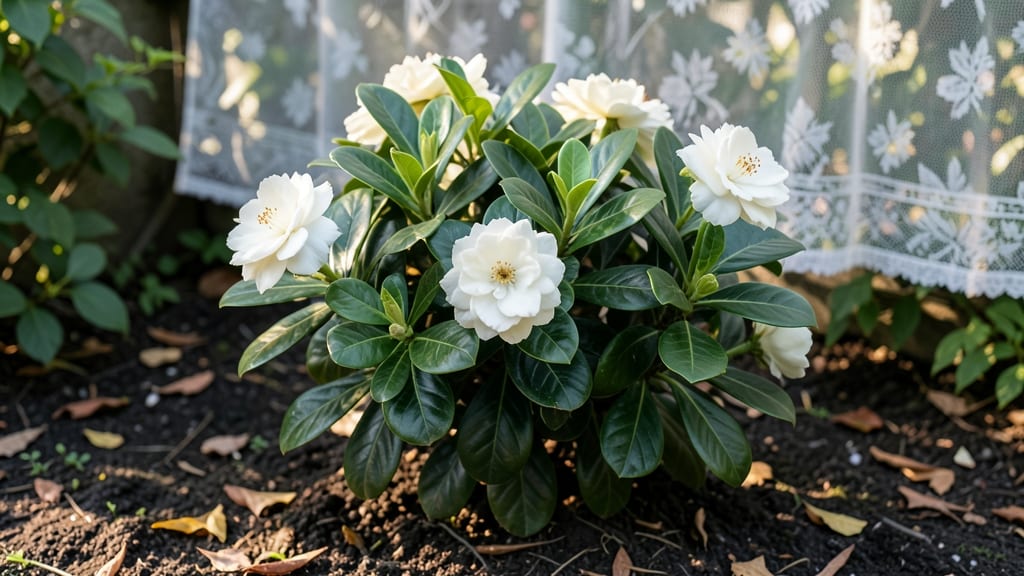
Gardenia blooms in Zone 9 typically arrive between late spring and early summer—May through July—when the air hums with their signature intoxicating scent 🌸.
If you’ve ever dreamed of waking up to that fragrance drifting through your garden, timing is everything—because these finicky shrubs don’t bloom on a whim. In fact, they’re more like divas, demanding just the right balance of warmth, shade, and care to put on their show.
Here’s the secret: gardenias in Zone 9 thrive when daytime temps hit 70-80°F, but they need afternoon shade to avoid wilting. Too much heat or sun, and they’ll skip their performance entirely—something I learned the hard way after a scorching June left my plants bare.
Below, I’ll break down the exact months to expect blooms, how to nudge them into flowering earlier, and the three common mistakes that sabotage their fragrance—so you can enjoy that dreamy gardenia aroma all season long.
Gardenia bloom season in Zone 9: exact months and climate triggers
In Zone 9, gardenias typically bloom between late April and early August, with peak fragrance displays occurring from May through July.
Unlike cooler climates where blooms align with spring, Zone 9’s mild winters and hot summers create a unique timing pattern that’s heavily influenced by temperature shifts rather than seasonal changes.
Your gardenias likely follow this pattern: bud formation begins in late winter (February–March) when daytime temps rise above 65°F, but blooms don’t appear until afternoon highs consistently exceed 75°F. This delay happens because gardenias need a cool recovery period after heat stress to set buds properly.
Not all gardenias bloom at the same time—early bloomers like 'Kleim's Hardy' may start as early as late March in coastal Zone 9 areas where humidity stays higher, while heat-sensitive varieties like 'Radicans' might delay until June.
The key difference? Humidity levels—coastal gardens with 50%+ humidity trigger earlier blooms, while inland areas with drier air see delays until summer rains arrive.
Your gardenias need 3–6 hours of morning sun but will sulk and delay blooming if exposed to intense afternoon sun (12–4 PM). In Zone 9’s hot summers, afternoon temps can exceed 95°F, causing buds to drop.
I’ve seen gardenias in full sun locations bloom 3–4 weeks later than those with afternoon shade from nearby trees or lattice screens.
Humidity plays a critical role in Zone 9 blooming. Gardenias originate from tropical Asia, where high humidity keeps their delicate blooms hydrated.
In dry Zone 9 climates, you’ll need to mimic this environment by:
- Misting leaves daily during bud formation
- Grouping plants together to increase local humidity
- Avoiding overhead watering that can cause fungal issues
One common misconception is that gardenias bloom year-round in Zone 9. While they can produce occasional flowers outside peak season, true fragrance-heavy blooms only occur during the May–July window when all three conditions align: warm days, cool nights, and consistent moisture.
I’ve noticed my 'Veitchii' variety produces secondary blooms in September when daytime temps drop below 85°F—but these are never as abundant or fragrant as the summer display.
To predict your gardenias' bloom timing, track these three climate triggers:
- Morning lows above 60°F (signals bud formation)
- Afternoon highs below 85°F (prevents bud drop)
- Humidity spikes above 40% (keeps blooms hydrated)
Pro tip: Use a garden journal to record bloom dates for 2–3 years. I’ve found that local microclimates (like urban heat islands or shaded courtyards) can shift bloom times by up to 6 weeks.
For example, my in-ground gardenia blooms 2 weeks earlier than the one in a container on my patio—likely due to better soil moisture retention.
If your gardenias are skipping blooms entirely despite proper timing, check for these Zone 9-specific issues:
- Soil pH too high (gardenias need 5.0–6.5)
- Overwatering in summer (root rot delays blooming)
- Lack of winter chill (some varieties need brief cool periods)
How to encourage earlier or longer gardenia blooms in hot climates
If your gardenias in Zone 9 are playing hard to bloom, don’t blame the heat—blame the afternoon sun and soil pH. I’ve learned that gardenias in hot climates need a little coaxing to extend their fragrance-filled season beyond the typical May-July window.
The key? A few strategic adjustments that mimic their natural tropical preferences without overcomplicating care.
First, let’s address the biggest misconception: gardenias love heat—but they hate direct afternoon sun. In Zone 9, where temps can soar past 90°F, those intense rays stress the plants, diverting energy away from blooming.
Instead, focus on morning sun (3-6 hours max) and dappled shade after 10 AM. I use a sheer curtain or plant them near a fast-growing vine like morning glories for natural shade.
Now, let’s talk soil acidity, the secret weapon for gardenia blooms. These divas thrive in acidic soil (pH 5.0–6.5). If your soil tests higher, amend it with sulfur or peat moss—I mix in a handful of cottonseed meal every spring for a slow-release acid boost.
Pro tip: Never use lime or wood ash, which raise pH and kill blooms faster than you can say “no fragrance.”
- 🌡️ Prune after blooming (August-September) to encourage next year’s buds. Cut back 1/3 of old growth to stimulate new shoots.
- 💧 Water deeply but infrequently—1-2 gallons per plant every 3-5 days in summer. Let soil dry top 1-2 inches between waterings.
- 🌿 Feed lightly in spring with acid-loving fertilizer (10-10-10). Skip summer feeding—heat stresses roots, and fertilizer burns.
- ☀️ Add afternoon shade with reflective mulch (white gravel) or a lattice screen to reduce heat stress.
- 🌱 Mulch with pine needles (acidic!) to retain moisture and regulate soil temp. Refresh mulch yearly.
Don’t overlook the power of pruning timing. I used to prune in spring, but that’s a bloom-killer. Instead, prune right after flowering (late summer) to remove spent blooms and shape the plant.
This sends a signal to the roots: “It’s time to focus on next year’s buds!” Just avoid heavy pruning in Zone 9’s brutal summer—the plant needs energy to recover.
For longer blooms, I swear by a two-step fertilization trick. Start with a light feed in early spring (when new growth appears) to wake up the roots.
Then, in late summer, apply a high-phosphorus fertilizer (like 10-20-10) to boost flower production. Zero fertilizer in winter—the plant is dormant, and extra nutrients can harm it.
Finally, humidity matters in Zone 9’s dry heat. Gardenias crave 60-70% humidity, but our desert air often drops below 30%. My solution? A DIY misting system—I attach a soaker hose near the base and run it for 10 minutes daily in peak heat.
The extra moisture mimics their tropical home and keeps buds plump and fragrant.