
How To
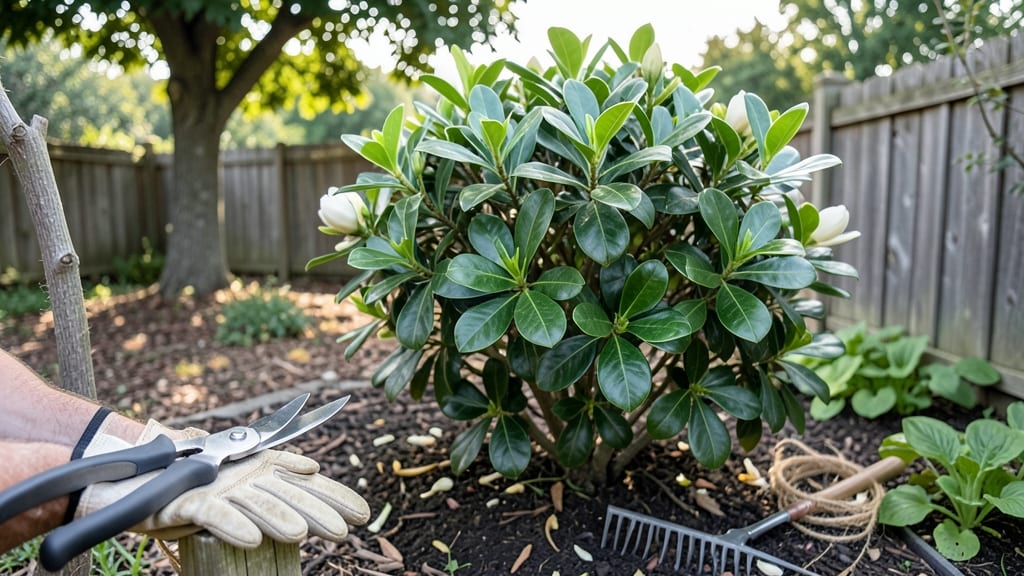
Cutting back your gardenia bush in late winter is the key to stronger blooms next season — but timing it wrong can leave you with sparse flowers or even stressed plants.
Picture this: You’ve just finished pruning, the buds are swelling, and then—unexpected frost hits. That’s the nightmare scenario I’ve seen too many gardeners face, especially in USDA Zone 6, where late-winter weather can be unpredictable.
The right moment isn’t just about the calendar; it’s about reading your gardenia’s signals.
Most gardeners wait until after the last frost (around April 15 in Zone 6), but the real secret is pruning when new growth begins—just as the buds plump up and the days lengthen. This ensures your gardenia 🌸 puts energy into flowers instead of recovering from a harsh trim.
In this guide, I’ll walk you through the exact steps to prune your gardenia without stunting growth, plus the post-pruning care that makes all the difference for lush, fragrant blooms by summer.
The ideal late winter pruning window for gardenia bushes
Pruning your gardenia bush at the right time in late winter is the key to unlocking next year’s showstopping blooms. This isn’t just about trimming—it’s about timing the cut to align with the plant’s natural growth cycle.
When done correctly, you’ll encourage healthier stems and more abundant flowers, while avoiding the common pitfalls of stunted growth or pest vulnerability. The science behind late winter pruning lies in the plant’s dormancy period, which ends just as new growth begins.
Gardenia bushes enter dormancy in late fall, conserving energy until warmer temperatures arrive. By late winter, they’ve rested and are preparing to swell buds and push out fresh shoots.
Pruning at this stage removes dead or weak growth while stimulating the plant to focus energy on flower production rather than maintaining old wood. However, timing is critical—prune too early, and you risk damaging tender new growth that hasn’t yet emerged.
Prune too late, and you may miss the optimal growth window, leading to fewer blooms.
Here’s the golden rule: Aim to prune your gardenia bush 4–6 weeks before your last expected frost date. For most USDA Zone 6–9 gardeners, this falls between late February and mid-March. In warmer climates like Zone 10–11, you can extend this window into early April.
The key is to prune after the coldest nights have passed but before buds begin to swell—this ensures your cuts won’t expose vulnerable tissue to late frosts or winter pests.
But how do you know when your gardenia is ready? Look for these three visual cues: buds that are plump but not yet open, new shoots emerging at the base, and leaves beginning to unfurl.
If you see green tips peeking from the soil or swollen buds along the stems, it’s time to prune. Waiting until buds open means you’ve missed the optimal pruning window, as the plant will have already allocated energy to flowering.
| Region | Last Frost Date | Ideal Pruning Window | Bud Swell Cue |
|---|---|---|---|
| USDA Zone 6–7 | Mid-April | Late February–Early March | Plump buds, no green tips |
| USDA Zone 8–9 | Early March | Mid-February–Late March | Bud swelling visible |
| USDA Zone 10–11 | None (tropical) | Early–Mid April | First green shoots |
| Potted Gardenias | Indoor climate | Late February–Early March | Bud break indoors |
Weather patterns play a surprisingly large role in determining the perfect pruning day. Avoid pruning on windy days, as this can stress the plant and slow wound healing. Instead, choose a calm, overcast day with temperatures above 50°F (10°C).
If a warm spell is forecasted, prune a few days before to allow cuts to callus over before new growth emerges. In humid climates, prune in the morning to reduce the risk of fungal infections.
One of the most common mistakes gardeners make is pruning too aggressively in late winter. While gardenias are resilient shrubs, cutting back more than one-third of the plant’s height can overwhelm the root system and delay flowering.
Instead, focus on shaping the bush, removing dead or crossing branches, and thinning out crowded growth. Aim to leave healthy, outward-facing stems—these will produce the most sunlight exposure and flowering potential.
For gardeners in cooler climates, like Zone 6 or colder, consider a two-step pruning approach. First, do a light pruning in early winter to remove damaged branches and shape the bush.
Then, follow up with the main pruning in late winter to stimulate new growth before the growing season kicks in. This method helps hardy gardenias recover more quickly from winter stress and bounce back with vigor.
If you’re unsure about the exact timing, observe your gardenia’s growth patterns over a few years. Note when buds begin to swell and when new shoots appear.
This will help you predict the ideal pruning window in future years. For example, if your gardenia in Zone 7 always shows bud swell by March
Step-by-step pruning guide: how to cut back without killing your gardenia
Pruning your gardenia bush might seem intimidating, but with the right techniques, you’ll encourage healthier growth and more fragrant blooms next season. The key lies in precision cuts that promote airflow while preserving the plant’s natural shape.
Start by gathering your tools—a sharp bypass pruner (for clean cuts) and sterilized shears (to prevent disease spread)—and work on a dry, sunny morning when the plant is fully hydrated.
Before you begin, inspect your gardenia for dead or diseased branches. These should be removed first, as they can block sunlight and attract pests. Look for branches that are brown, brittle, or devoid of leaves—these are clear candidates for removal.
For healthy branches, aim to trim back by one-third of the plant’s total height, focusing on overcrowded areas and crossing branches that rub against each other.
⚠️ callout-warning ⚠️
Pruning at the wrong time can stunt blooming or invite fungal infections. Avoid these common errors:
- ❌ Pruning after buds form (spring): New flower buds develop in late winter—cutting too late removes next year’s blooms.
- ❌ Heavy pruning in fall/winter: Dormant plants can’t recover; wait until late winter when new growth is visible.
- ❌ Using dull tools:** Jagged cuts tear bark, inviting disease and pests.
✅ Do prune in late winter (just as buds swell but before leaves emerge) for optimal regrowth.
When making cuts, always aim for a 45-degree angle just above a leaf node or outward-facing bud. This encourages the plant to grow outward rather than inward, improving airflow and reducing humidity-related issues like powdery mildew.
For thicker branches, use your pruners to make a small notch first, then complete the cut to avoid tearing the bark. Dispose of trimmings immediately to prevent fungal spread.
Never remove more than one-third of the plant’s foliage in a single session, as this can shock the gardenia and reduce its ability to photosynthesize. Focus on shaping the bush rather than drastic reductions—gardenia bushes naturally grow dense and lush, so light pruning maintains their natural form.
After pruning, give your gardenia a light application of compost around the base to replenish nutrients lost during trimming.
If your gardenia hasn’t bloomed well this year, over-pruning or poor timing might be the culprit. Gardenias bloom on old wood, so avoid heavy cuts that remove last year’s growth. Instead, prioritize deadheading spent flowers throughout the growing season to encourage continuous blooming.
In USDA Zone 6, aim to finish pruning by mid-March to give the plant enough time to harden off before summer heat arrives.
Finally, monitor your gardenia for new growth in the weeks following pruning—a sign of successful recovery. If you notice yellowing leaves or stunted shoots, reduce watering slightly and apply a balanced, acidic fertilizer to support regrowth.
With the right technique, your gardenia will reward you with vibrant, fragrant blooms all summer long. 🌸