
Fertilization
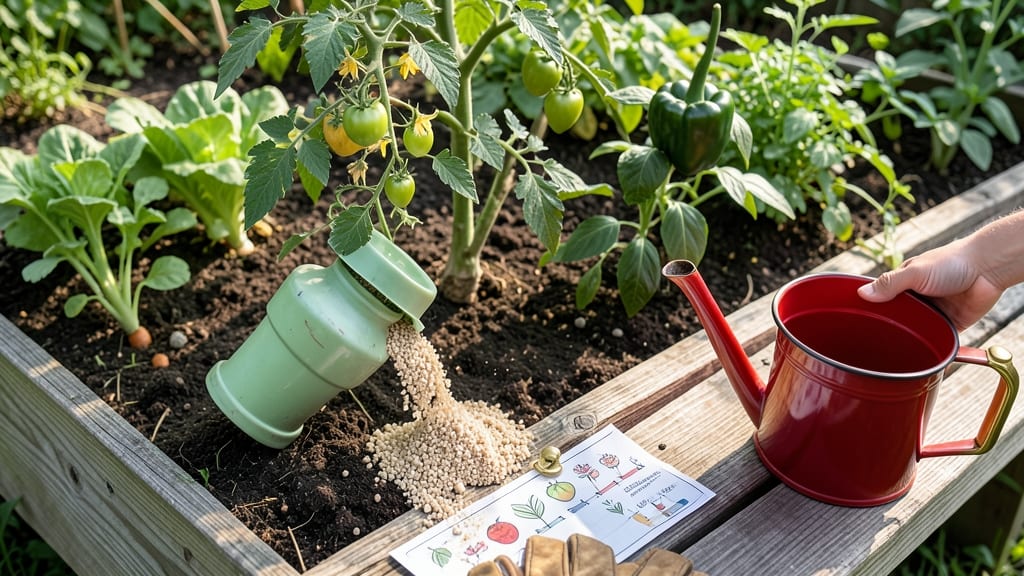
To apply fertilizer to your vegetable garden at the right time means the difference between thriving plants and wasted effort — and the best moments are tied to growth stages, not just the calendar.
Picture this: you’ve just spent hours prepping your 🥬 vegetable garden, only to watch your seedlings wilt after a heavy-handed fertilizer dump. That’s because timing isn’t just about when you feed your plants—it’s about how they’re growing.
Too early, and you burn roots; too late, and you miss the prime window for fruiting.
Most gardeners make one of two mistakes: either they fertilize too soon, before roots can handle it, or they skip it entirely when plants are hungry. The truth? Your vegetable garden needs fertilizer at three key moments—right after planting, when leaves start filling out, and again when flowers appear.
Miss any of these, and you’re leaving yield on the table.
In this guide, I’ll walk you through the exact seasonal schedule for your zone, crop-specific tips, and how to spot when your plants are actually ready for food—no guesswork required.

Best fertilizer application times by plant growth stage
Timing your fertilizer applications based on a plant's growth stage is like giving it a perfectly timed meal—too early or late, and it won’t thrive. For vegetable gardens, the four key stages—pre-planting, early growth, flowering/fruiting, and post-harvest—each demand different nutrient strategies.
Organic fertilizers like compost or manure release nutrients slowly, while synthetic fertilizers provide an immediate boost. Let’s break down the ideal times for each stage to maximize your harvest.
Before planting, focus on soil preparation. This is when to apply organic matter like compost or aged manure to improve soil structure and provide a slow-release nutrient base. For synthetic fertilizers, use a balanced formula (like 10-10-10) to kickstart root development.
The goal here is to create a nutrient-rich environment where seedlings can establish strong roots without competing for nutrients. Think of it as laying the foundation for a healthy plant.
Here’s a quick reference for fertilizer timing by growth stage, including organic vs. synthetic differences:
| Growth Stage | Organic Fertilizer (When to Apply) | Synthetic Fertilizer (When to Apply) | Key Nutrient Focus |
|---|---|---|---|
| Pre-Planting | 4-6 weeks before planting (compost, manure) | At planting (balanced NPK, e.g., 10-10-10) | Phosphorus (root growth) |
| Early Growth (Seedlings) | Side-dress with compost tea or fish emulsion (every 3-4 weeks) | 4-6 weeks after planting (light NPK, e.g., 5-5-5) | Nitrogen (leafy growth) |
| Flowering/Fruiting | Apply bone meal or kelp meal (high phosphorus) | Bloom booster (e.g., 10-30-20) at first flowers | Potassium & Phosphorus (fruit development) |
| Post-Harvest | Add compost for next season (fall or winter) | None (unless preparing for overwintering greens) | Soil regeneration |
During the early growth stage, plants are focused on developing leaves and stems. This is when a nitrogen-rich fertilizer (like fish emulsion or a 5-5-5 synthetic blend) helps fuel rapid foliage growth.
For organic gardeners, side-dressing with compost or using liquid fertilizers like compost tea ensures nutrients are readily available. Avoid heavy applications here—too much nitrogen can lead to lush leaves but weak stems. Think of this stage as the plant’s gym time, building strength for the next phase.
The flowering and fruiting stage is where your fertilizer strategy shifts dramatically. Plants need more phosphorus and potassium to support flower and fruit development. Organic options like bone meal or kelp meal provide these nutrients slowly, while synthetic bloom boosters (like 10-30-20) deliver a quick burst.
Apply these fertilizers when you first see flowers forming, and repeat every 3-4 weeks. For tomatoes and peppers, this is critical—they’re heavy feeders and won’t produce well without proper support. Timing here can mean the difference between a handful of fruits and a bountiful harvest.
After harvest, most vegetables don’t need fertilizer, but your soil does. This is the perfect time to add compost or organic matter to replenish nutrients for next season. For cool-season crops like spinach or kale, a light application of nitrogen-rich fertilizer in early fall can encourage growth before winter.
Synthetic fertilizers are generally avoided post-harvest unless you’re preparing the soil for overwintering plants. Instead, focus on soil health—think of this as the recovery phase for your garden bed.
One common mistake is over-fertilizing during the flowering stage, which can lead to excessive foliage at the expense of fruit. Always follow the label instructions for synthetic fertilizers and use organic amendments sparingly.
For example, tomatoes need more potassium during fruiting, but too much nitrogen will result in leafy plants with few tomatoes. Pay attention to your plants’ visual cues: yellowing leaves might signal nitrogen deficiency, while brown leaf edges could mean too much salt from synthetic fertilizers.
Adjust your approach based on what you observe.
Regional climate plays a role too. In warm climates, vegetables grow faster, so you might need to fertilize more frequently. In cool climates, growth slows down, and fertilizing should be lighter to avoid winter burn.
Always consider your last frost date—if you’re fertilizing in late summer, choose slow-release options to prevent late-season growth that won’t harden off before frost. For container gardens, fertilize every 2-3 weeks during the growing season, as nutrients leach out faster in pots.
Pro tip: Keep a garden journal to track when and how you fertilize. Note which fertilizers work best for specific crops and adjust next season. For example, if your peppers always underperform, you might
Seasonal fertilizer schedule for year-round vegetable gardens
Keeping your vegetable garden thriving year-round means understanding how seasonal changes affect your plants' nutritional needs. Unlike annuals that follow a single growing season, perennials and cool-season crops need careful fertilizer timing to produce consistently.
The key is matching your fertilizer schedule to your climate zone and the unique growth patterns of each vegetable type.
In temperate climates, like USDA Zone 6a, your garden experiences distinct seasons with clear planting windows. Meanwhile, tropical climates offer year-round growing potential but require adjustments for monsoon seasons or dry periods.
Whether you're prepping for spring planting or maintaining summer crops, aligning fertilizer applications with natural cycles ensures your plants get nutrients when they need them most.
When to Apply Fertilizer to Vegetable Garden
- 🌱 Early Spring (March-April): Apply balanced fertilizer (10-10-10) at planting to kickstart growth. For perennials, top-dress with compost before new shoots appear.
- 🌿 Late Spring (May): Feed leafy greens and root vegetables with nitrogen-rich fertilizer (5-10-5) to encourage foliage and root development.
- ☀️ Summer (June-August): Use slow-release fertilizer every 6-8 weeks to support fruiting plants (tomatoes, peppers, beans). Avoid heavy feeding during heatwaves.
- 🍂 Early Fall (September): Fertilize cool-season crops (kale, spinach, carrots) with a light application of phosphorus-rich fertilizer (10-20-10) to strengthen roots before winter.
- ❄️ Winter (December-February): Skip fertilizer for dormant plants. Instead, amend soil with compost to prepare for spring planting.
For tropical climates, adjust this schedule by fertilizing every 4-6 weeks year-round, with extra attention during the monsoon season (June-September). Heavy rains leach nutrients quickly, so liquid fertilizers or compost teas work best during this time.
In contrast, dry seasons (December-February) call for reduced water-soluble fertilizers to prevent salt buildup in the soil.
One of my favorite tricks is using organic matter like compost or worm castings as a slow-release fertilizer. Spread a 1-inch layer around plants in early spring and again in late summer. This approach feeds roots steadily while improving soil structure—perfect for both temperate and tropical gardens alike.
Remember, over-fertilizing is just as harmful as under-fertilizing. Always water thoroughly after applying fertilizer to help nutrients penetrate the soil and prevent root burn. For container gardens, reduce fertilizer amounts by half since plants in pots have limited root zones.
By following this seasonal schedule, you'll give your vegetable garden the nutritional boosts it needs at every stage—from seedling to harvest. Happy gardening! 🌱