
Aphids
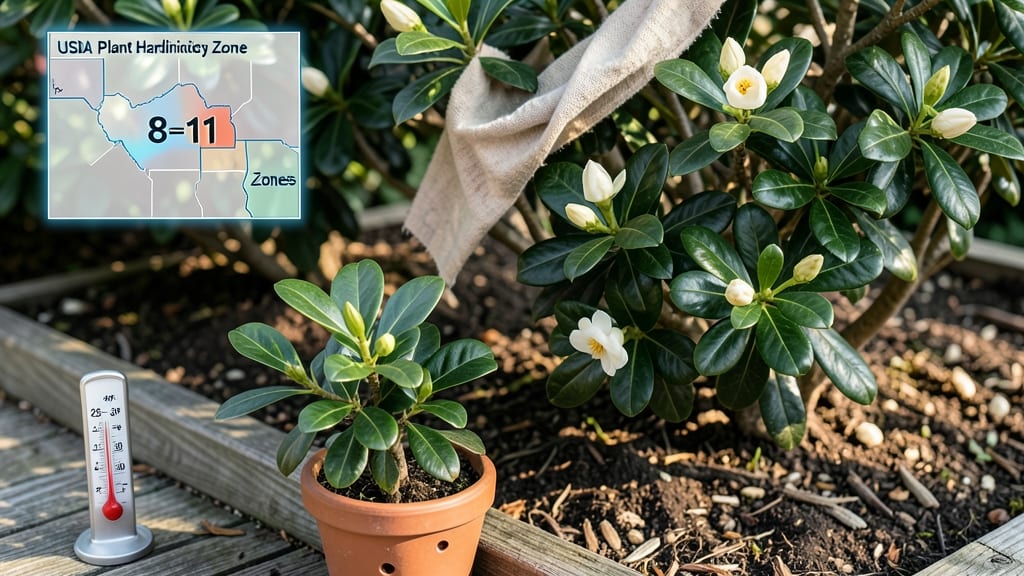
Gardenia cold hardiness is limited to USDA Zones 8-11, as frost and temperatures below 30°F (below -1°C) cause severe damage or kill the plant. Mulching, container protection, and winter shelters extend survival in marginal zones.
Understanding gardenia cold hardiness means recognizing that these tropical beauties thrive in warm climates, where winter temperatures rarely drop below 40°F (4°C). 🌿 The plant's delicate leaves and roots suffer irreversible damage when exposed to freezing conditions, often resulting in blackened foliage or root rot.
Even a single night below 32°F (0°C) can stress the plant, while prolonged exposure to 25°F (-4°C) or lower typically leads to complete die-off. Gardeners in colder zones must treat their gardenias like seasonal guests, bringing them indoors or providing heavy insulation during winter months.
For those pushing the limits in Zone 7 or colder, strategic winter care makes all the difference. A thick layer of 6-8 inches of mulch around the base helps insulate roots, while wrapping potted gardenias in bubble wrap or moving them to unheated garages can prevent frost damage.
Creating a microclimate near south-facing walls or under eaves often adds 5-10°F of protection, giving these sensitive plants a fighting chance during harsh winters.
💡 In This Article
- USDA Zones and Gardenia Cold Tolerance Limits
- Winter Care Strategies for Cold-Climate Gardenias
USDA zones and gardenia cold tolerance limits
The gardenia's native tropical origins explain why it struggles in colder climates. In USDA Zones 8-11, gardenias naturally thrive because average winter lows stay above 30°F (-1°C), protecting their delicate systems.
Zone 8 (10-20°F / -12 to -7°C) marks the northern limit where gardenias can survive outdoors with minimal protection, while Zone 11 (40-50°F / 4-10°C) offers ideal year-round conditions. The key threshold is 30°F (-1°C)—below this, cellular damage begins in both leaves and roots.
At the cellular level, gardenia leaves contain high moisture content (about 75-80% water), which expands when frozen, rupturing cell walls. Roots, already sensitive to cold, suffer from reduced water uptake when soil temperatures drop below 45°F (7°C).
The plant's natural antifreeze compounds (like proline amino acids) can only protect down to 28°F (-2°C) for short periods—any colder, and damage becomes irreversible. 🌱 This is why gardenias in Zone 7 (0-10°F / -18 to -12°C) require constant winter protection.
What makes gardenias particularly vulnerable is their slow recovery rate. Even if foliage survives a brief frost, the roots often suffer permanent damage, preventing regrowth. In Zone 8, gardeners might see 50% survival rates with proper winter care, while Zone 9 gardenias typically survive with only light mulching.
The difference comes down to how quickly temperatures drop—Zone 8's gradual cooling gives roots time to acclimate, while Zone 7's sudden freezes overwhelm the plant's defenses.
For gardeners in marginal zones, understanding the chilling injury threshold is crucial. This is the point where cold stress becomes visible: 32°F (0°C) for leaves (showing brown spots) and 35°F (2°C) for roots (reduced growth).
The plant's flowering cycle also suffers—buds often drop when nighttime temperatures fall below 50°F (10°C) for more than 3-4 days, making winter protection essential for maintaining blooms.
Zone 7 gardeners face the toughest challenge because even well-insulated plants may experience 20-30°F (-7 to -1°C) dips. The solution lies in creating a 5-10°F buffer through microclimates (like south-facing walls) or container insulation. Without these measures, gardenias typically survive only 1-2 years before succumbing to cumulative cold damage. 💫
One often-overlooked factor is soil temperature. Gardenia roots prefer soil that stays above 55°F (13°C)—colder soil slows nutrient absorption by 30-50%, weakening the plant. This explains why potted gardenias often fare better in winter: containers warm faster in the sun and can be moved to protected areas.
For in-ground plants, deep mulching (6-8 inches) creates an insulating layer that maintains root-zone temperatures 5-8°F warmer than ambient air.