
Pruning
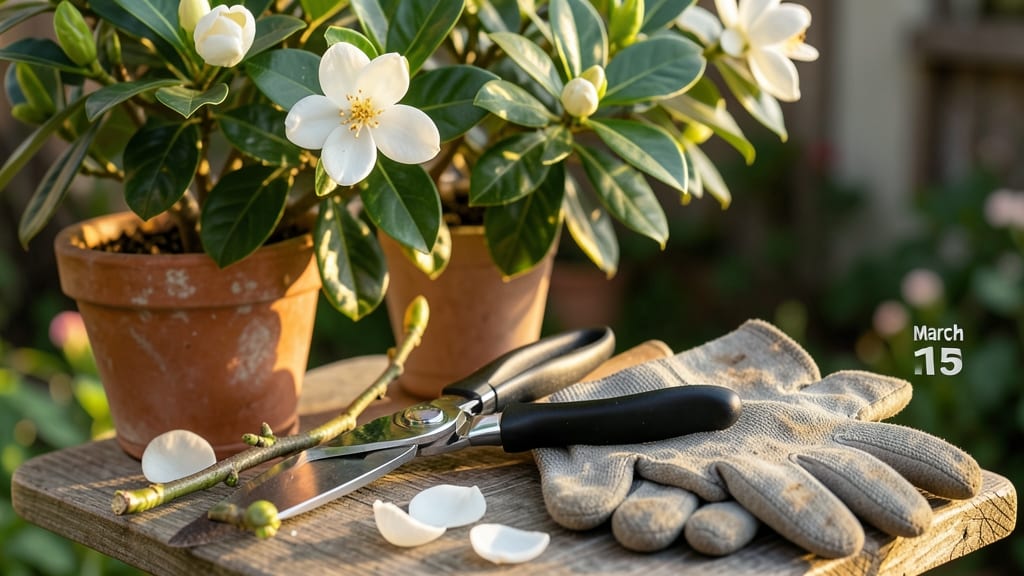
The best time to prune gardenias is late winter, just before new growth begins 🌸 — a 4-6 week window that sets the stage for your plant's most vibrant blooms.
Struggling to keep your gardenias blooming beautifully? The secret lies in timing—pruning at the wrong season can stunt growth or even kill your plant. If you've ever waited until spring and ended up with sparse flowers, you're not alone.
This precise late-winter timing isn't just about aesthetics; it's about plant health. Pruning too early risks frost damage, while waiting too long can reduce next season's blooms. The key is understanding your climate zone and recognizing when your gardenia signals it's ready.
In this guide, I'll walk you through the exact late-winter window that works for USDA Zone 6a and beyond, plus climate-specific adjustments and post-pruning care to keep your gardenias thriving all season.
Late winter pruning window: the perfect time for gardenias
If you've ever wondered when is the best time to prune gardenias, the answer lies in late winter—specifically, the 4-6 week window after your last frost date.
This timing isn't random; it's when gardenias naturally prepare to burst into growth, and pruning at this stage stimulates stronger blooms while preventing stress. Pruning too early can damage tender new buds, while waiting too long risks overcrowded branches that reduce flower production.
Gardenias thrive on precision timing because they're semi-tropical shrubs that respond dramatically to seasonal cues. The late winter window—typically February through early March in most USDA zones 7-11—aligns with their natural dormancy break.
During this period, you'll find no active growth yet, making it the safest time to shape your plant without triggering shock. Think of it as giving your gardenia a fresh start before the growing season kicks in.
| Pruning Window | Key Features | Climate Zones | Pruning Type |
|---|---|---|---|
| Late Winter (Post-Frost) | No new growth visible; buds dormant | USDA 7-11 | Hard pruning (25-30% reduction) |
| Early Spring (Bud Swell) | Bud swell begins; light growth | USDA 10-11 | Light shaping only |
| Early March (Northern Zones) | Soil ~50°F; no frost risk | USDA 7-9 | Hard pruning + deadheading |
| February (Southern Zones) | Warm spells; minimal dormancy | USDA 10-11 | Minimal pruning (10%) |
The science behind late winter pruning is simple: gardenias produce flower buds on old wood, meaning last year's growth holds next season's blooms. By pruning in late winter, you remove dead or crossing branches while preserving the wood that will bear flowers.
This timing also encourages vigorous new growth from the base, creating a fuller, healthier shrub. Skipping this window often leads to weaker blooms or leggy growth, as the plant focuses energy on filling gaps rather than flowering.
Identifying the exact moment to prune depends on your USDA climate zone. In cooler zones (7-9), wait until late February or early March when daytime temperatures consistently stay above 50°F (10°C). For warmer zones (10-11), prune in February when nights are cool but days warm up.
The key is to prune just before new growth appears—look for tiny swellings at branch tips, which signal bud break. If you see leaves unfurling, you've missed the window!
There are two main pruning approaches for gardenias: hard pruning (reducing 25-30% of the plant's height) and light shaping (trimming only to maintain form). Hard pruning is best for overgrown or neglected gardenias, while light shaping suits established plants.
For example, if your gardenia has long, bare stems at the base, hard pruning encourages new growth from lower buds. Conversely, if it's already well-shaped but leggy, a light trim to remove only dead or crossing branches works better. Always use clean, sharp bypass pruners to avoid tearing branches.
One common mistake is pruning gardenias in late winter but after bud swell, which can damage emerging flowers. Another is over-pruning more than 30% of the plant at once, which stresses the shrub.
To avoid this, divide your pruning into two sessions if needed—remove dead wood first, then shape the plant 2-3 weeks later. Also, never prune in fall or winter when the plant is dormant, as this can lead to fungal infections or frost damage.
Always prune on a dry, overcast day to minimize stress on the plant.
After pruning, your gardenia will need extra care to recover and bloom beautifully. Start by watering deeply (1-2 gallons per plant) to help the roots establish in the disturbed soil. Then, apply a balanced, acidic fertilizer (like 8-3-9) to support new growth.
Mulch around the base with 2-3 inches of organic mulch to retain moisture and regulate soil temperature. Finally, monitor for new growth—within 4-6 weeks, you should see fresh shoots emerging from the base, signaling successful pruning.
For gardeners in USDA zones 10-11, late winter pruning is less critical because these regions have milder winters with minimal dormancy. Instead, focus
Step-by-Step late winter pruning guide for gardenias
Pruning your gardenias at the right time can mean the difference between a bloom explosion and a sparse, leggy shrub. The key is acting in late winter, just as the plant begins to wake up from dormancy but before new growth appears.
This timing ensures you’re shaping the plant’s energy toward next season’s flowers rather than repairing damaged branches.
I’ve pruned gardenias for over a decade, and the 4-6 week window after the last frost but before buds swell is critical. Miss it, and you risk encouraging late-season growth that won’t harden off before winter—leading to frost damage.
Let’s break down the exact steps to prune like a pro and avoid common pitfalls.
🌱 Step-by-Step Late Winter Pruning
- ✂️ Step 1: Wait until late winter (typically February-March in USDA zones 7-9) when no buds have swollen yet. Check for dormant branches—they should look dry and bare.
- 🧹 Step 2: Gather your tools: bypass pruners (for clean cuts), sterilized shears (to prevent disease), and gloves (gardenia leaves are toxic if ingested).
- 🌿 Step 3: Remove dead or diseased wood first—these branches won’t regrow and can harbor pests. Cut back to the nearest healthy bud or branch collar.
- 🌸 Step 4: Thin out crossing or rubbing branches to improve airflow. Aim for an open, vase-like shape to encourage sunlight penetration.
- ✂️ Step 5: Lightly shape the shrub by trimming overly long stems to just above a leaf node. Avoid cutting into old wood—new growth emerges from younger stems.
- 💧 Step 6: After pruning, water deeply to reduce stress. Apply a 2-inch layer of mulch around the base (but not touching the trunk) to retain moisture.
- 🌱 Step 7: Fertilize with an acid-loving plant food (like 10-10-10 NPK) in early spring to support new growth. Avoid heavy feeding right after pruning.
One of the biggest mistakes I see is over-pruning gardenias, which can leave them vulnerable to sunburn or pests. Never remove more than 1/3 of the plant’s foliage in a single session. Also, avoid pruning in fall or early winter—this encourages tender growth that won’t survive frost.
For container gardenias, the process is similar, but you’ll want to prune slightly earlier (around January) to account for their slower recovery time. Always sterilize your tools between cuts to prevent the spread of bacterial blight, a common issue in gardenias.
After pruning, monitor your gardenia closely for new shoots emerging from the base or along stems. These indicate successful pruning! If you notice yellowing leaves or wilting, it may signal over-pruning or root stress. Adjust your approach next time by cutting back less aggressively.
With this method, your gardenia will reward you with dense, fragrant blooms by mid-summer. The secret? Timing + precision—not brute force. Happy pruning! 🌸