
Tools
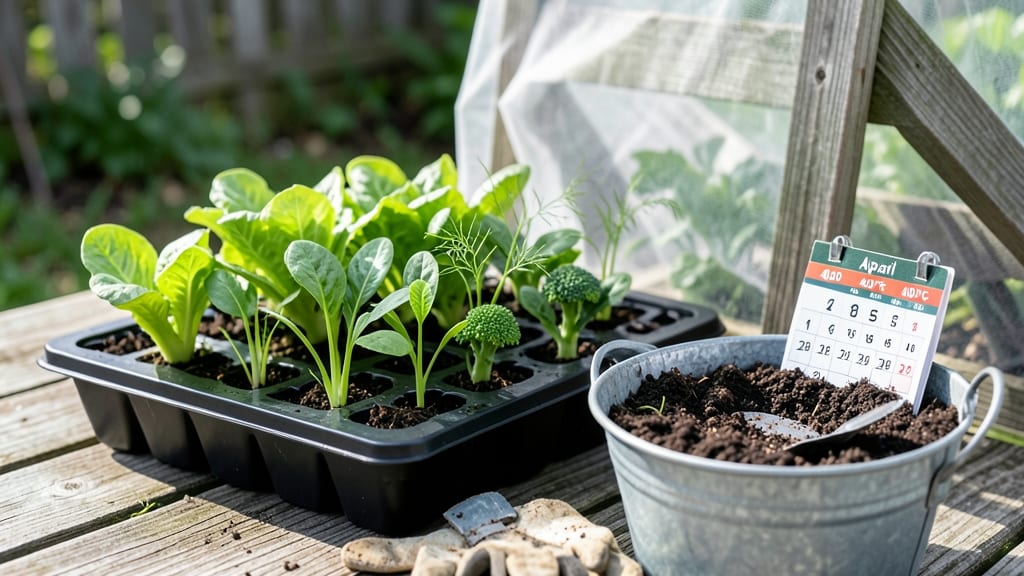
Starting a garden in Ohio means timing your plants to avoid frost and maximize your growing season — the difference between a bountiful harvest and a wasted effort.
Ohio’s unpredictable frost dates can turn a gardener’s excitement into frustration—plant too early, and your seedlings freeze; too late, and pests or heat ruin your harvest. Timing your garden right means the difference between a thriving plot and wasted effort.
For Ohio gardeners in USDA Zone 6a, the ideal window to start planting outdoors is typically after April 15, once soil temperatures reach 50°F and all frost risk has passed.
But whether you’re sowing seeds indoors or direct-sowing into the garden, knowing the right time for each plant is key.
In this guide, I’ll break down the best planting times for General Vegetables & Herbs (Ohio) 🌱, from frost dates by zone to when to start seeds indoors versus outdoors. You’ll also learn how to adjust for Ohio’s microclimates and avoid common mistakes that derail gardens.
Ohio frost dates by planting Zone: when to start seeds indoors vs. outdoors
Ohio’s gardening success hinges on understanding its USDA Hardiness Zones 5b-6b and frost date averages. Southern Ohio (Zone 6b) enjoys 10-14 extra frost-free days compared to northern Ohio (Zone 5b), making timing everything.
For example, my tomato seedlings in Zone 5b need indoor starts by March 1st, while Zone 6b gardeners can wait until March 15th—a critical difference for heat-loving crops.
Last frost dates shift from April 15th in Zone 5b to April 1st in Zone 6b, while first frosts arrive between October 15th (Zone 6b) and October 30th (Zone 5b).
These dates create a 160-180 day growing window, perfect for planning warm-season crops like peppers but risky for cold-hardy greens planted too late. My kale thrives when seeded in early spring or late summer, but squash demands soil temps above 60°F—waiting too long means missed harvests.
Microclimates add another layer. Urban areas like Columbus (Zone 6a) often experience earlier last frosts due to concrete heat, while rural Appalachian valleys (Zone 5b) can linger colder. I’ve seen 3-5 day differences in frost dates just 10 miles apart.
Always check your local Almanac frost predictions and adjust transplant dates accordingly—May 1st might be safe in Zone 6b but risky in Zone 5b.
Here’s my zone-specific planting calendar for Ohio’s most popular vegetables, balancing indoor starts, outdoor sowing, and transplant windows:
| Zone | Last Frost | First Frost | Indoor Start (Warm Crops) | Outdoor Sow (Cool Crops) | Transplant Window |
|---|---|---|---|---|---|
| 5b (Northern OH) | April 15 | October 30 | March 1 - March 15 | March 20 - April 10 | May 1 - May 15 |
| 6a (Central OH) | April 1 | October 20 | March 15 - March 30 | March 1 - April 5 | April 20 - May 1 |
| 6b (Southern OH) | March 25 | October 15 | March 20 - April 5 | February 20 - March 20 | April 1 - April 15 |
*Adjust dates 1-2 weeks earlier for urban microclimates, later for rural valleys.
For cool-season crops like spinach or peas, I direct-sow outdoors 4-6 weeks before last frost. In Zone 5b, that’s March 20th, while Zone 6b gardeners can start February 20th.
These hardy plants tolerate light frosts (28°F) and even thrive when lightly frosted, unlike tomatoes, which wilt below 50°F.
Warm-season crops demand more precision. My pepper seedlings need 8-10 weeks indoors before transplanting after last frost. That means Zone 5b starts by March 1st (transplant May 1st) and Zone 6b starts by March 20th (transplant April 20th).
Using grow lights or a sunny windowsill ensures strong seedlings—weak ones struggle to recover after transplant shock.
Don’t overlook fall planting for cool-season crops. I’ve had great success with broccoli and carrots seeded in late July for harvest before first frost. In Zone 5b, aim for August 15th sowing; Zone 6b can extend to September 1st. These late plantings benefit from longer
Best plants to start indoors in Ohio: timeline for cool-season vs. warm-season crops
Ohio gardeners face a tricky balance: warm-season crops like tomatoes and peppers need a long growing season, while cool-season veggies like broccoli and lettuce thrive in cooler temperatures. Starting seeds indoors gives you a head start, but timing is everything.
In Ohio’s USDA Zones 5b-6b, frost can linger until mid-April in northern areas, while southern Ohio sees last frosts by early April. This means your indoor seed-starting window opens 6-8 weeks before your last frost date.
For warm-season crops, aim to start seeds indoors 8-10 weeks before transplanting—that’s typically mid-March to early April for Ohio.
These plants need warmth to germinate, so use a seedling heat mat if your home stays below 70°F. Cool-season crops, on the other hand, can often be direct-sown outdoors as soon as soil is workable, but starting them indoors 4-6 weeks before last frost gives you an earlier harvest.
- 📅 Mid-March: Start warm-season crops indoors (tomatoes, peppers, eggplants). Use grow lights if natural light is weak.
- 🌡️ Late March: Harden off seedlings when night temps stay above 40°F. Acclimate for 1-2 weeks before transplanting.
- 🌱 Early April: Direct-sow cool-season crops (lettuce, spinach, peas) outdoors. Soil should be 40-50°F.
- 🌿 Mid-April: Transplant hardy warm-season crops (tomatoes, peppers) after last frost. Wait until soil is 60°F+.
- 🌱 Late April: Start second crop of cool-season veggies (kale, broccoli) for fall harvest. Use shade cloth if temps rise above 80°F.
Not all plants need indoor starts. Direct-sowing crops like beans, carrots, and radishes germinate quickly and don’t benefit from early starts. These can go straight into the garden as soon as soil is workable, usually by late March in southern Ohio and early April in the north.
The key is monitoring soil temperature: cool-season crops like spinach and peas germinate best in 40-50°F soil, while warm-season crops like cucumbers and squash need 60-70°F.
Ohio’s microclimates add another layer of complexity. Urban areas like Columbus often warm up faster than rural zones, while valleys can hold frost longer. Adjust your timeline by 1-2 weeks if you’re in a frost-prone spot.
For example, if your last frost is May 1 instead of April 15, delay warm-season starts until early April to avoid transplant shock.
Don’t forget about light requirements. Seedlings need 12-16 hours of light daily to avoid leggy growth. If your home lacks natural light, supplement with grow lights or a sunny windowsill.
Once seedlings have 2-3 true leaves, they’re ready for transplanting—just be sure to harden them off gradually to prevent shock.
By following these Ohio-specific timelines, you’ll maximize your garden’s potential. Start warm-season crops indoors early, direct-sow cool-season crops outdoors, and always check soil temperatures. With the right timing, you’ll enjoy a longer harvest season and fewer losses to frost or heat. Happy planting! 🌱