
Landscaping
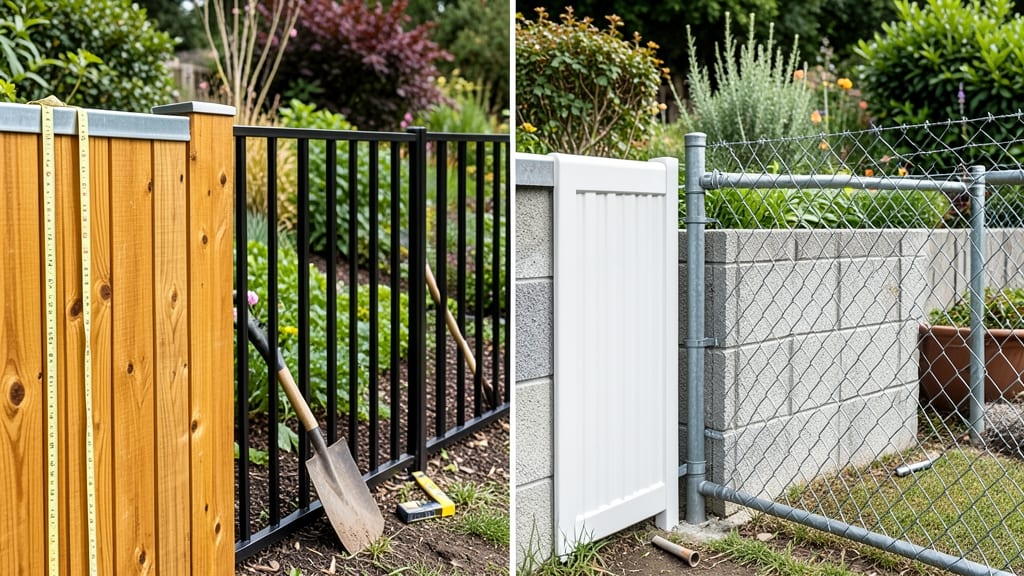
Determining garden fence height depends on your location, as most areas set limits between 4 to 8 feet to balance privacy, safety, and property line regulations. Always verify your local zoning laws before building.
Local regulations on garden fence height exist primarily to prevent disputes between neighbors and maintain neighborhood aesthetics. 🔥 Many cities and counties enforce strict height limits—often between 6 and 8 feet—while rural areas may allow taller fences for agricultural or security purposes.
Homeowners' associations (HOAs) can impose even stricter rules, sometimes capping heights at 4 feet for a uniform look. I’ve seen cases where a 6-foot fence was approved in one neighborhood but rejected in another just a mile away due to differing municipal codes.
If you're unsure about your local rules, start by checking your city or county’s planning department website or calling their zoning office. Some areas even offer free consultations to help you navigate the process. Knowing these limits upfront saves time, money, and potential legal headaches down the road.
💡 In This Article
- How Local Zoning Laws Define Garden Fence Heights
- Best Privacy Fence Options Within Legal Height Limits
How local zoning laws define garden fence heights
Local governments implement fence height regulations primarily to address three key concerns: neighborly privacy, safety, and property line visibility. Privacy restrictions often stem from balancing homeowner desires with community aesthetics—too-high fences can create "visual barriers" that disrupt neighborhood cohesion.
For example, a 6-foot fence might be standard in suburban areas, while rural zones may permit 8-foot heights for agricultural or livestock containment. The science behind these limits involves light and sightline studies; engineers calculate how tall structures obstruct views between properties while maintaining fire safety standards.
Municipal codes typically categorize fences into three tiers: residential (4-6 feet), commercial (6-8 feet), and agricultural/security (up to 12 feet in some rural areas). Homeowners' associations (HOAs) often enforce stricter rules—sometimes capping heights at 4 feet—to maintain architectural uniformity.
I've seen cases where a 5-foot fence was approved in one HOA-controlled neighborhood but rejected in another due to differing aesthetic standards. Always verify whether your property falls under county, city, or HOA jurisdiction, as these can override each other.
Exceptions exist for security fences (e.g., chain-link with razor wire) or agricultural barriers, which may require permits and inspections. These often involve temporary variances or conditional use permits.
For instance, a 7-foot tall livestock fence might be allowed in a farming district where a standard 6-foot residential fence would be prohibited. The permitting process usually requires site plans showing fence placement relative to property lines, setback requirements, and sometimes even soil tests to ensure stability.
Safety plays a critical role in height restrictions. Tall fences can obstruct emergency vehicle access or create fire hazards by blocking visibility. For example, a 7-foot wooden fence might be deemed unsafe in a wildfire-prone area due to its potential to spread flames.
Municipalities often reference the International Residential Code (IRC) for guidance, which recommends maximum heights based on property type and fire risk. Always check whether your area has additional fire safety ordinances that could affect fence materials or design.
Another nuance involves easements—legal rights allowing access to adjacent properties. If your fence encroaches on a neighbor's easement (common in shared driveways), local laws may require you to install a lower, removable section or obtain a variance.
For example, a 6-foot fence might be legal, but if it blocks a 3-foot easement, you could face fines or removal orders. Always verify easement locations on your property survey before planning fence heights.
To navigate these regulations, start with your local planning department's website—most provide interactive zoning maps. If unsure, request a pre-application meeting to discuss your project. Many municipalities offer free site visits where staff can point out potential issues, like required setbacks or material restrictions.
Pro tip: Document all communications in case disputes arise later. Understanding these rules upfront can save you thousands in modifications or legal fees down the road. 💫