
Tools
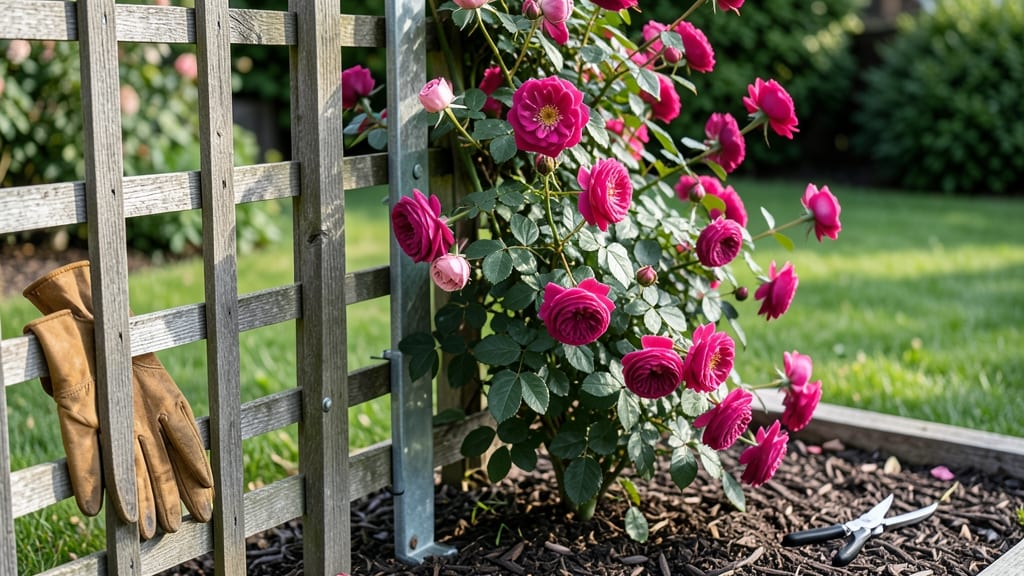
A screened-in garden creates a private, climate-controlled retreat right in your backyard — perfect for year-round relaxation or entertaining.
Picture this: a morning coffee on a sunlit patio, shielded from bugs and wind, or a cozy evening dinner under twinkling lights without a single screen door in sight. The best part? You don’t need a full fence or expensive walls to pull it off.
From lush tropical escapes to modern minimalist nooks, these designs blend practicality with style. Whether you’re working with a small urban space or a sprawling backyard, the right layout and materials can turn your screened-in garden into a go-to sanctuary for every season.
Below, I’ll share 15 stunning layouts that balance privacy, aesthetics, and function — plus tips on choosing materials, plants, and decor that make the most of your space.
15 Screened-in garden layout ideas for every space and style
A screened-in garden lets you enjoy nature without pests, wind, or prying eyes—perfect for urban balconies or sprawling backyards. These designs adapt to any space, from 10x10-foot patios to 20x30-foot retreats, while keeping functionality front and center.
Whether you love tropical vibes or rustic charm, the right layout turns your screened space into a year-round sanctuary.
Start by matching your style to the space. A modern minimalist design thrives with clean lines and geometric shapes, while a cottage garden flourishes with overflowing blooms and mismatched furniture.
For small spaces, vertical gardening maximizes greenery without sacrificing floor area. The key? Balance privacy, airflow, and plant health—even in enclosed areas.
Here’s how to choose the best layout for your needs:
For small urban spaces, focus on vertical gardening to save floor space. Use wall-mounted planters for herbs and succulents, and hang a bistro set to maximize seating. A 10x10-foot screened patio can feel spacious with mirrored panels and strategic lighting—think string lights or solar-powered path markers.
Pair low-maintenance plants like snake plants or aloe vera with a compact sofa for a cozy nook.
If you love tropical vibes, go for a 12x12-foot layout with palm trees, hibiscus, and a water feature like a small fountain. Add bamboo screens for texture and rattan furniture to complete the look.
For modern minimalists, stick to geometric planters, metal screens, and monochromatic palettes. A concrete bench and olive tree add structure without clutter.
Cottage-style gardens thrive in 16x18-foot spaces with mixed-height planters, trellises, and vintage decor. Fill them with roses, peonies, and clematis for a romantic feel. Place a wrought-iron table and mismatched chairs for charm. For entertainment zones, a 20x20-foot screened area works best with a fire pit, bar cart, and string lights. Plant citrus trees and rosemary for fresh scents and easy cocktails.
No matter your style, ventilation is key—install adjustable screens or ceiling fans to keep air circulating. Use weather-resistant furniture and shade-tolerant plants to ensure year-round enjoyment.
With the right layout, your screened garden becomes a private retreat, a social hub, or a lush plant sanctuary—all without sacrificing style.
🌿
How to choose the right screening material for privacy and aesthetics
Creating a screened-in garden starts with selecting the perfect screening material—one that balances privacy, aesthetics, and plant health. The material you choose affects airflow, sunlight exposure, and even maintenance.
For example, aluminum mesh offers durability but may block too much light for delicate plants, while bamboo screens add natural beauty but require more upkeep. Let’s break down the best options to match your needs.
Your climate plays a huge role in material selection. In humid regions, moisture-resistant materials like vinyl-coated mesh prevent rust and mold. Meanwhile, dry climates benefit from lightweight fabric screens that reduce heat absorption.
Even the way you use the space matters—outdoor dining areas need sturdy, weatherproof materials, while plant sanctuaries prioritize airflow and sunlight penetration.
Here’s a quick comparison to help you decide:
Screening Material Comparison
Aluminum Mesh
- Pros: Durable, low-maintenance, pest-resistant
- Cons: Can block sunlight, may rust over time
Bamboo Screens
- Pros: Natural look, eco-friendly, good airflow
- Cons: Needs sealing, attracts pests if untreated
Lattice Panels
- Pros: Lightweight, customizable, allows plant growth
- Cons: Less private, requires painting/staining
Fabric Screens
- Pros: Lightweight, easy to install, softens noise
- Cons: Fades in sun, limited durability
Aluminum mesh is my top pick for long-term durability and pest control. It’s ideal for high-traffic areas like patios or poolside gardens, where you need both privacy and strength. However, if you’re growing sun-loving plants like roses or citrus trees, consider a lattice panel instead—it lets sunlight filter through while adding vertical interest. For a rustic or tropical vibe, bamboo screens are unbeatable, but they’ll need occasional sealing to prevent rot.
If you’re prioritizing low maintenance, fabric screens are a great temporary or seasonal solution. They’re lightweight, easy to hang, and come in a variety of colors to match your garden’s aesthetic.
Just remember, they won’t last as long as metal or bamboo, so they’re best for short-term projects or areas with minimal wear. For year-round use, invest in a weather-resistant fabric treated for UV protection.
Don’t forget to consider how the material affects your plants. Mesh and lattice allow airflow, which is crucial for succulents and herbs that hate humidity. Meanwhile, solid bamboo or fabric can create a cozy, shaded microclimate perfect for fern collections or shade-loving hostas.
Test your chosen material in a small section first to see how it impacts plant growth before committing to a full installation.
Finally, think about installation ease. Fabric screens and lattice panels often require minimal tools, while aluminum mesh may need heavy-duty framing. If you’re DIYing, start with a small project to gauge your comfort level. For larger spaces, hiring a pro ensures a clean, secure fit that lasts for years.