
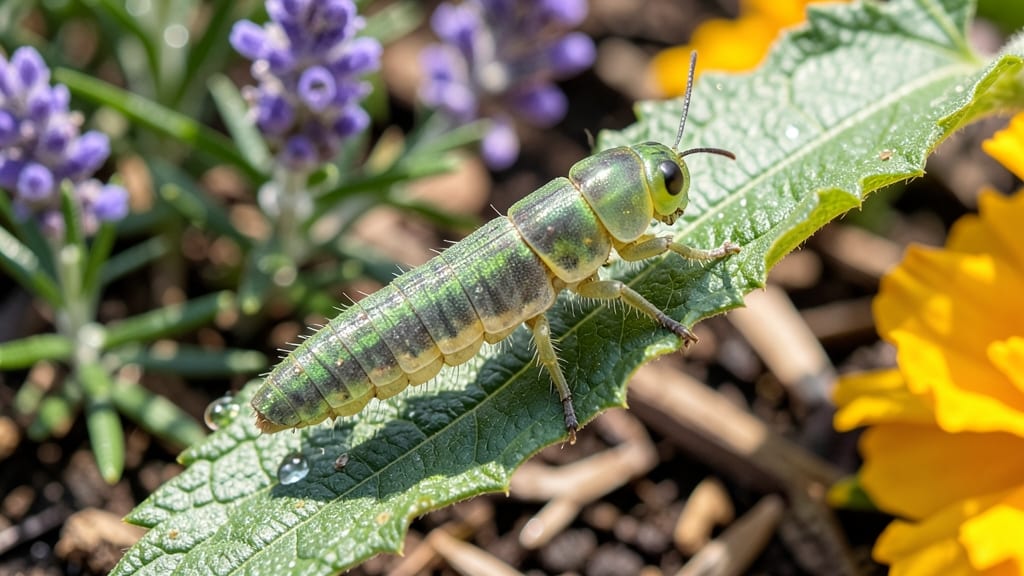
Insects in Garden Identification: Visual Guide to Common Pests & Natural Solutions

Pests

Insects in Garden Identification: Visual Guide to Common Pests & Natural Solutions

Mastering insects in garden identification is the first step to protecting your plants—and getting it wrong can cost you a season’s worth of harvest.

Picture this: you spot tiny black specks on your tomato leaves, and your first thought is, "Pests!" But what if those specks are actually ladybug larvae, the very allies you need to fight off the real invaders?

Misidentifying insects means wasting time on the wrong fixes, or worse, harming the creatures that keep your garden thriving.

In this guide, you’ll learn how to spot the most common garden insects—from destructive pests like aphids and Japanese beetles to beneficial predators like lacewings and ground beetles—using simple visual clues. We’ll break down their sizes, colors, and behaviors so you can make quick, confident decisions in the garden.

Ready to become an insect detective? You’ll also discover natural, eco-friendly ways to manage pests without chemicals, ensuring your garden stays healthy and productive all season long.

Visual identification guide to 15 most common garden insects (with photos)

Spotting tiny critters crawling on your plants can feel like solving a mystery—but getting it right matters! Some insects are your garden’s secret allies, while others act like uninvited guests feasting on your hard work.

I’ve seen firsthand how misidentifying a ladybug as a pest led to spraying beneficial insects, so let’s cut through the confusion with clear visual clues.

This guide focuses on physical traits you can spot in seconds—like color patterns, body shape, and habitat preferences. Whether you’re staring at a green aphid colony on your roses or a striped caterpillar munching your basil, these details will help you decide: friend or foe?

<

How to tell if an insect is harmful or helpful (and what to do)

Spotting an insect in your garden doesn’t mean panic—some are your best allies while others can destroy your plants in days. The key is quick identification and understanding their behavior. Start by examining their physical traits like size, color, and body shape, then check for damage signs on your plants.

A ladybug with spotted wings is harmless, but a Japanese beetle with metallic green shells? That’s a red flag.

Lifecycle stages matter too. Many pests start as eggs or larvae before becoming adults, so inspect undersides of leaves and new growth for tiny clusters. For example, aphids lay eggs that hatch into sap-sucking nymphs, while ladybug larvae are actually predators that devour other pests.

Knowing these differences helps you act before damage spreads.

Harmful Insects vs. Helpful Insects

Harmful Insects
  • Signs: Chewed leaves, holes, wilting
  • Examples: Aphids, Japanese beetles, caterpillars
  • Action: Remove manually or use neem oil
Helpful Insects
  • Signs: Pollinating, eating pests, no damage
  • Examples: Ladybugs, lacewings, bees
  • Action: Encourage with plants like dill or marigolds
⚠️ Pest
✅ Beneficial

If you spot sticky residue (honeydew) on leaves, it’s a sign of sap-sucking pests like aphids or scale insects. These pests weaken plants by stealing nutrients and spreading diseases. For chewing pests like caterpillars, look for irregular holes in foliage or frass (insect droppings).

My go-to fix? A homemade soap spray (1 tsp mild soap + 1 quart water) applied in the early morning.

For beneficial insects, focus on creating a welcoming habitat. Plant native flowers like coneflowers or milkweed to attract pollinators, and leave some wild areas for ground beetles and spiders.

These natural predators often hunt pests like slugs or cutworms without any help from you. Just avoid pesticides—even "safe" ones can harm these helpers.

When in doubt, use the 3-second rule: Observe the insect’s activity. Is it eating leaves, pollinating flowers, or hunting other bugs? If it’s the latter two, it’s likely helpful.

If it’s the first, act fast. My favorite non-toxic trick? Introducing parasitic wasps (they lay eggs in pest larvae) or predatory mites to control spider mites naturally.

Remember, even harmful insects have their place in the ecosystem. The goal isn’t to eliminate all insects, but to balance your garden’s population. Start small: inspect plants weekly, handpick visible pests, and encourage beneficial species. Over time, your garden will regulate itself with minimal effort.

🌿

★★★★★4.6(13 reviews)
Categories Pests
Insect Name Size Color/Markings Habitat Behavior Impact
Ladybug (Ladybird) 1/10" - 1/4" Red/orange with black spots (some yellow/black) Leaves, stems, under rocks Slow-moving; clusters on aphids ✅ Beneficial (eats aphids)
Lacewing (Green Lacewing) 1/2" - 3/4" Green/yellow with lace-like wings Near lights at night; foliage Agile; larvae hunt pests ✅ Beneficial (eats mites, aphids)
Aphid (Greenfly) 1/16" - 1/4" Green, black, or yellow; pear-shaped New growth, undersides of leaves Clustered; excrete sticky honeydew ❌ Pest (saps plant juices)
Japanese Beetle 1/2" Green head, copper wings, white tufts Flowers, roses, grapes Chews leaves in skeletal patterns ❌ Pest (devours foliage)
Caterpillar (Tomato Hornworm) 2" - 4" Green with white stripes, black "horn" Tomato, pepper, eggplant plants Fast-moving; eats entire leaves ❌ Pest (defoliates plants)
Praying Mantis 1" - 2" Green/brown; triangular head, folded legs Stems, foliage, near lights Stands still; strikes prey quickly ✅ Beneficial (eats pests)
Earwig 1/2" - 3/4" Brown/black; pincers at rear Moist areas, under mulch Curled when disturbed ⚠️ Neutral (harmless but may chew leaves)
Spider Mite 1/50" (tiny!) Red/yellow; nearly invisible Undersides of leaves Webs on leaves; causes stippling ❌ Pest (sucks plant sap)
Ground Beetle 1/2" - 1" Black/brown; elongated, shiny