
Size
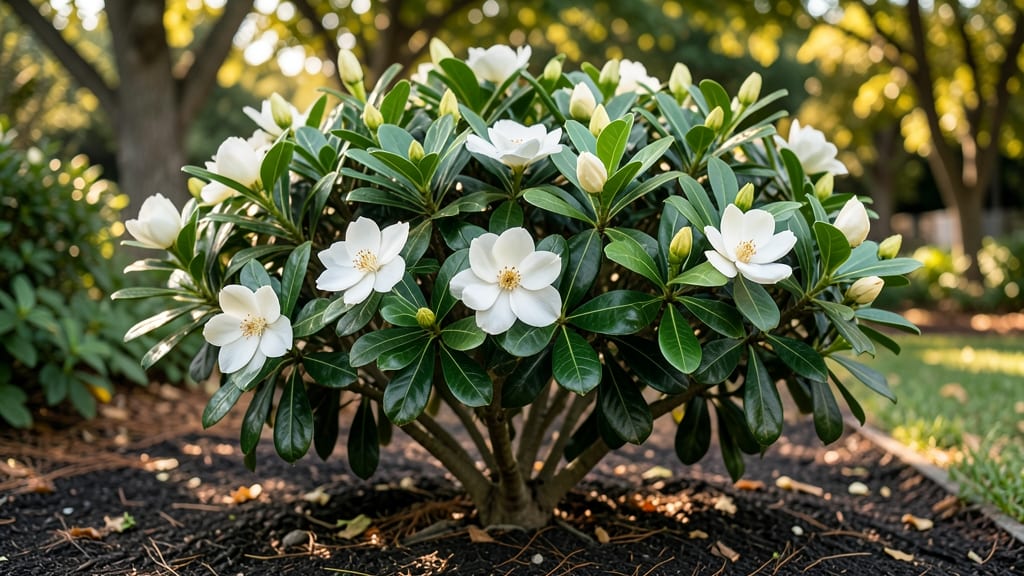
Choosing the right frost-proof gardenia size is the key to keeping your 🌸 thriving through chilly winters.
If you love gardenias but live in colder climates, the right variety and size can mean the difference between a shriveled mess and a fragrant, blooming beauty. The challenge? Many gardeners overlook how height affects cold hardiness—or worse, pick a towering specimen that flops in Zone 6.
In this guide, I’ll break down the best frost-resistant gardenia sizes for your climate, from dwarf varieties that hug the ground to semi-dwarf shrubs that stand tall enough to impress.
You’ll also learn how to prune for resilience and spot the mistakes that stunt growth—so your gardenia survives winter and looks its best.
Ready to find the perfect size for your space and zone? Let’s dive in.

Cold-Hardy gardenia varieties and their frost-proof size ranges
If you dream of fragrant gardenias in your yard but live in USDA zones 7-10, your best bet is choosing frost-resistant varieties. These cold-hardy types not only survive winter but also thrive with the right mature size for your garden layout.
The key is understanding how height ranges correlate with cold tolerance—because a dwarf gardenia in a container handles frost differently than a standard-size shrub planted in-ground.
Most gardenias struggle below 20°F, but these hardy varieties push limits to 10°F with proper care. Their mature heights vary dramatically—from compact 2-foot shrubs perfect for containers to towering 6-foot specimens that need landscape planning. Let’s break down the top frost-proof options and their ideal sizes for your climate.
Kleim's Hardy is my top recommendation for gardeners in USDA zone 7. This variety matures at 3-5 feet, making it ideal for small gardens or containers. Its slow growth rate (1-2 feet per year) gives you time to shape it before winter arrives. I’ve seen it survive 15°F with a thick layer of mulch and winter protection.
For larger spaces, Radicans reaches 4-6 feet and handles USDA zone 8-10 beautifully. Its rapid growth means you’ll need to prune annually to control its height.
I planted one near my patio last year, and it became a stunning privacy screen by summer’s end—just be ready for its fragrant flowers to attract bees!
The Veitchii variety is perfect if you’re working with limited space. Staying under 3 feet tall, it’s ideal for window boxes or balcony gardens in zone 7.
Its compact size also makes it easier to move indoors during unexpected cold snaps. I’ve had mine in a 15-gallon pot for three winters now with no issues.
When selecting your gardenia, consider how its mature height will fit into your landscape. A 6-foot Radicans planted too close to a walkway will eventually block sunlight, while a 2-foot Veitchii might get lost in a large border.
Always measure your space and leave room for 2-3 feet of growth beyond the plant’s current height.
Pro tip: If you’re in zone 7 or colder, plant your gardenia in a south-facing location to maximize winter sunlight. This simple trick can make the difference between a thriving shrub and a frost-damaged one. Pair it with evergreen companions like boxwood or holly for extra wind protection.
Remember, even frost-proof gardenias need winter prep. After the first frost, apply 4-6 inches of mulch around the base and cover with burlap or frost cloth if temperatures drop below 20°F. This extra layer of insulation can push your gardenia’s cold tolerance 5-10°F lower than its USDA rating.
Whether you choose a compact Veitchii for your patio or a tall Radicans for your backyard, frost-proof gardenias bring year-round beauty with minimal winter stress. The key is matching the variety to your space and climate—then sitting back to enjoy their intoxicating fragrance from spring to fall.
How to choose frost-proof gardenia size for your garden layout
Selecting the right frost-proof gardenia size depends on your garden's layout and climate zone. In colder regions (USDA zones 7-9), opt for compact varieties like 'Kleim's Hardy' (3-4 ft) or 'Radicans' (2-3 ft) to ensure they thrive without winter damage.
These sizes fit perfectly in containers or as foundation plants, offering both beauty and resilience.
For larger gardens, standard varieties like 'Veitchii' (4-6 ft) can handle milder winters but require winter protection like mulching or frost cloth. The key is balancing height with cold hardiness—taller gardenias need more shelter from frost. Always check your zone’s last frost date to time planting correctly.
🌱 Frost-Proof Gardenia Size Guide
- 📏 Dwarf Varieties (2-3 ft): Ideal for containers or small gardens; hardy to 15°F. Example: 'Radicans'.
- 🌿 Compact Varieties (3-4 ft): Perfect for foundation plantings or borders; tolerate 20°F. Example: 'Kleim's Hardy'.
- 🌳 Standard Varieties (4-6 ft): Best for larger gardens or hedges; need winter protection in zones 7-8. Example: 'Veitchii'.
- 🪴 Container Tips: Use 15-gallon pots for dwarf varieties; ensure pots have drainage holes and move indoors if temps drop below 25°F.
- 🌡️ Pruning for Cold: Cut back dead branches in early spring; avoid heavy pruning in fall to prevent winter damage.
When planning your layout, consider companion plants like boxwoods or hydrangeas to create a protective microclimate. These pairings not only enhance aesthetics but also help insulate gardenias from harsh winds and frost. For container gardeners, group plants with similar water needs to simplify care during winter.
Pruning plays a crucial role in controlling gardenia size and winter resilience. After flowering, trim back overgrown branches by one-third to encourage bushier growth. Avoid pruning in late summer or fall, as new growth won’t harden off before winter. Always use sterilized shears to prevent disease spread.
In colder zones, mulching is non-negotiable. Apply a 3-inch layer of pine bark mulch around the base of your gardenia in late fall. This insulates roots and regulates soil temperature, helping plants survive brief frost events.
Pair mulching with a breathable frost blanket for extra protection during unexpected cold snaps.
Remember, the smaller the gardenia, the easier it is to protect during winter. If you’re unsure about your zone’s hardiness, start with dwarf varieties—they’re forgiving and adaptable.
With the right size and care, your frost-proof gardenia will reward you with scented blooms year after year, even in chilly climates. 🌸