
Aphids
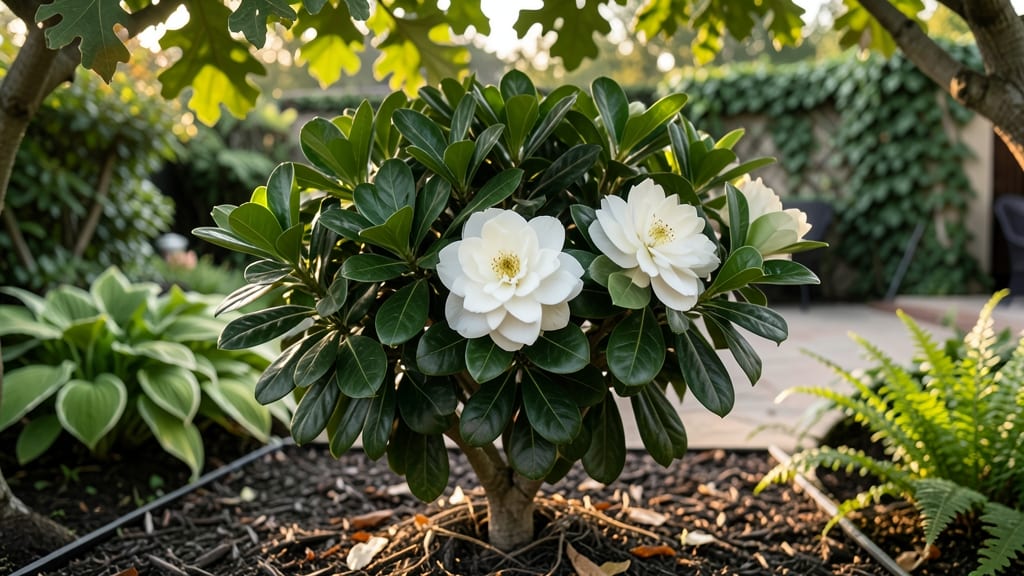
Understanding a gardenia’s mature height and width is the first step to pruning it into a showstopper 🌸 — and avoiding the "overgrown jungle" look that ruins the blooms.
Picture this: You’ve spent months nurturing your gardenia, only to have it sprawl into a 6-foot-wide monster that crowds out your patio or overwhelms your landscape. The secret? Knowing each variety’s growth habit so you can prune with purpose, not panic.
From dwarf varieties that stay under 3 feet to standard shrubs reaching 6 feet, we’ll break down the exact dimensions you need to plan spacing, pruning, and even container gardening. No more guessing—just data-backed pruning for blooms that last.
You’ll learn how to control width with strategic cuts, when to trim for height without sacrificing flowers, and how to fit even large gardenias into small spaces. Ready to turn your gardenia from a wild mess into a neat, fragrant centerpiece?

Gardenia height and width by variety: mature size charts for pruning planning
If you’ve ever wondered why your gardenia seems to grow in unpredictable directions or how to plan your garden layout around its eventual size, you’re not alone. Gardenias vary dramatically in mature height and width—from compact dwarf varieties to sprawling shrubs that need serious pruning.
Knowing these dimensions upfront helps you space plants properly, avoid overcrowding, and schedule pruning for optimal blooms.
Most gardenias belong to the Gardenia jasminoides species, but even within this group, sizes differ wildly. For example, the ‘Kleim’s Hardy’ gardenia stays under 4 feet tall, while the ‘Radicans’ variety can stretch over 6 feet wide.
Understanding these differences ensures you choose the right variety for your space and prune at the right time to maintain its shape.
Mature size is the golden rule for pruning planning. Pruning a gardenia too early or too aggressively can stunt blooms, while waiting too long risks an unruly, leggy shrub. Below, I’ve compiled a variety-specific chart with height, width, and growth rates to help you visualize each type’s potential.
For small gardens or containers, the ‘Kleim’s Hardy’ or ‘Clevelandii’ varieties are ideal—they stay compact while still delivering fragrant blooms. Meanwhile, the ‘Radicans’ variety is perfect for ground cover or cascading over walls, thanks to its sprawling habit.
If you’re dealing with a tall gardenia like ‘Veitchii’, plan for vertical space or prune annually to keep it from overwhelming nearby plants.
Pruning timing matters just as much as size. Most gardenias bloom on new wood, so prune after they finish flowering (late summer to early fall) to encourage next year’s blooms. For fast-growing varieties like ‘Radicans’, a light trim in late winter can prevent overgrowth.
Always use sterilized shears and avoid cutting more than one-third of the plant at once to prevent stress.
Container gardeners should choose dwarf varieties like ‘Clevelandii’, which thrive in pots with proper drainage. Even these smaller types need occasional pruning to maintain shape, especially if they’re trained to climb or espalier.
For larger varieties, consider planting them against a fence or trellis to control their width while allowing vertical growth.
One common mistake is assuming all gardenias grow the same way. For instance, the ‘Fortuniana’ variety can reach tree-like proportions, while ‘Kleim’s Hardy’ stays bushy and low. Matching your gardenia’s mature size to your space—and pruning accordingly—ensures you’ll enjoy healthy blooms without a
How to prune gardenias based on height and width for optimal blooms
Pruning gardenias isn’t just about keeping their size in check—it’s about encouraging healthier blooms and shaping them to fit your space. Since gardenias vary in mature height and width (from compact 3-foot dwarf varieties to sprawling 6-foot shrubs), your pruning approach should match their growth habit.
For example, ‘Kleim’s Hardy’ reaches 6 feet tall with a 5-foot spread, while ‘Radicans’ stays under 3 feet tall but spreads 4 feet wide. Understanding these dimensions helps you prune strategically without stunting growth or reducing flowers.
Timing is everything when pruning gardenias. Most varieties bloom on new wood, meaning you should prune right after flowering (late summer) to encourage next year’s blooms. For old-wood bloomers like ‘Veitchii’, prune immediately after blooming to shape the plant without sacrificing flowers.
Avoid pruning in fall or winter, as this can leave your gardenia vulnerable to cold damage and fungal issues. Always use sterilized, sharp pruners to make clean cuts and prevent disease.
⚠️ callout-warning ⚠️
- Over-pruning: Never cut more than 1/3 of the plant’s growth in one season—this stresses gardenias and reduces blooms.
- Wrong timing: Pruning before blooms appear can remove next year’s flower buds on old-wood varieties.
- Dull tools: Ragged cuts slow healing and invite pests or disease. Always use bypass pruners for clean cuts.
- Ignoring width: Tall gardenias (like ‘Kleim’s Hardy’) need vertical pruning, while wide-spreading types (like ‘Radicans’) require horizontal thinning.
For tall gardenias (4–6 feet), focus on vertical pruning to maintain an upright form. Start by removing dead or crossing branches at the base, then trim back overly long stems by 1/3 of their length to encourage bushiness.
Use your fingers to count nodes (the bumps where leaves grow)—leave 2–3 nodes above your cut to promote new growth. For wide-spreading varieties, thin out inner branches to improve airflow and reduce disease risk.
This is especially important for ‘Fortuniana’, which can spread up to 10 feet wide if unchecked.
Tools make all the difference when pruning gardenias. A pair of bypass pruners is ideal for smaller stems (under 1/2 inch), while loppers handle thicker branches (up to 1 inch). For large gardenias (6+ feet tall), a pruning saw with a bypass blade ensures clean cuts without tearing.
Always sterilize tools with rubbing alcohol between cuts to prevent spreading bacterial leaf spot or powdery mildew. After pruning, apply a light layer of mulch around the base to retain moisture and protect roots.
Shape matters when it comes to gardenias—whether you’re aiming for a formal hedge, a rounded bush, or a tiered topiary. For formal shapes, prune new growth regularly throughout the season to maintain symmetry.
For natural looks, step back and trim only the outermost branches to create a balanced silhouette. Avoid shearing (cutting evenly across the top), as this can lead to a woody, leggy appearance and fewer blooms.
Instead, use the “thinning-out” method: remove entire branches at their base to open up the plant’s center.
Post-pruning care is just as critical as the cuts themselves. Water your gardenia deeply after pruning to help it recover, especially if you’ve trimmed more than 20% of its foliage**.
Apply a balanced, acid-loving fertilizer (like 10-10-10) to support new growth, and monitor for pests like aphids or whitefly, which are attracted to stressed plants. If your gardenia looks leggy or sparse after pruning, it may need a light trim in early spring to encourage denser foliage.
With the right approach, your gardenia will reward you with lush blooms and a manageable size all season long.