
Plants
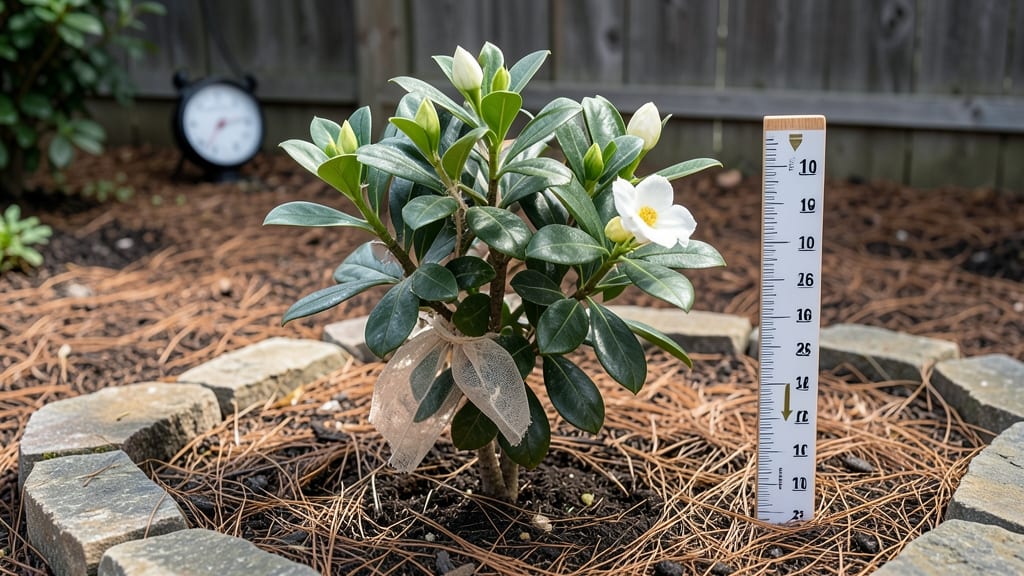
Growing a frost-proof gardenia with a fast growth rate is possible even in cooler climates, and the secret lies in choosing the right varieties and care techniques.
Cold climates don’t have to mean goodbye to fragrant gardenias—these frost-resistant varieties thrive even when temperatures drop, delivering stunning blooms faster than traditional types.
Most gardenias 🌸 struggle below USDA Zone 8, but the right cultivars can push growth rates up to 24 inches per year while withstanding light frosts. The key? Acidic soil, strategic pruning, and microclimates that shield roots from sudden cold snaps.
In this guide, you’ll discover which gardenia types bloom fastest in cooler zones, how to prep soil for rapid growth, and the three pruning mistakes that stall development—plus winter prep that keeps your plant thriving through the coldest months.


Fastest-growing frost-proof gardenia varieties and their growth rates
If you’ve ever dreamed of growing fragrant gardenias in your cold climate garden but worried about frost damage, you’re in luck! These fast-growing, frost-resistant varieties prove that stunning blooms and cold hardiness go hand in hand.
Unlike traditional gardenias that struggle below USDA Zone 8, these cold-tolerant types thrive in Zones 6-7 with proper care, delivering 12–24 inches of growth annually and blooms in just 6–12 months.
The secret lies in their genetic adaptations—thicker stems, deeper root systems, and earlier dormancy triggers that protect them from late frosts. Whether you’re a container gardener or have a backyard garden, these varieties offer the fastest results without sacrificing beauty.
Let’s dive into the top performers and their growth timelines to help you choose the perfect fit for your space.
| Variety | Cold Hardiness (USDA Zone) | Annual Growth Rate | Time to First Bloom | Mature Height | Key Feature |
|---|---|---|---|---|---|
| Gardenia jasminoides 'Kleim’s Hardy' | 6-9 | 18-24 inches | 6-9 months | 4-6 feet | Most cold-hardy; fastest bloomer |
| Gardenia 'Fortuniana' | 7-9 | 12-18 inches | 9-12 months | 3-5 feet | Compact; disease-resistant |
| Gardenia 'Radicans' | 7-8 | 15-20 inches | 8-10 months | 3-4 feet | Trailing habit; great for containers |
| Gardenia 'Veitchii' | 8-9 | 12-16 inches | 10-12 months | 4-5 feet | Large blooms; scented |
| Gardenia 'August Beauty' | 7-9 | 16-22 inches | 7-9 months | 3-5 feet | Late-season blooms; heat-tolerant |
Among these, ‘Kleim’s Hardy’ stands out as the fastest-growing frost-proof gardenia, often reaching 18–24 inches in a single season and producing its first blooms in just 6–9 months. This variety is a favorite among gardeners in USDA Zone 6, where traditional gardenias would perish.
Its thicker stems and deeper roots help it recover quickly from winter chills, making it ideal for northern gardens.
If you’re working with containers or small spaces, ‘Radicans’ is a game-changer. Its trailing habit allows it to cascade beautifully over patio planters or hanging baskets, while still delivering 15–20 inches of growth annually.
The trade-off? It may take a month longer to bloom compared to ‘Kleim’s Hardy,’ but its adaptability makes it worth the wait for urban gardeners.
For those prioritizing scent and showstopping blooms, ‘Veitchii’ delivers large, fragrant flowers that can reach 4 inches wide. While its growth rate is slightly slower (12–16 inches/year), its longer bloom season (from late spring to summer) extends your garden’s fragrance and visual appeal.
This variety thrives in USDA Zone 8 and above, making it perfect for transition zones where frosts are rare but still possible.
One common question we hear is: Can I expect blooms in the first year? The answer depends on the variety and growing conditions. ‘August Beauty’, for example, often surprises gardeners with first-year blooms if planted in well-draining, acidic soil and given partial shade.
However, most frost-proof gardenias will focus on root and stem development in their first year, saving energy for abundant blooms in year two or three. Patience pays off—these shrubs reward long-term care with years of fragrant flowers.
To maximize growth rate in colder climates, focus on three critical factors: soil acidity (aim for pH 5.0–6.0), consistent moisture (deep watering 2–3 times per week in growing season), and winter protection (apply 3–4 inches of mulch before first frost).
These steps can accelerate growth by 20–30%, helping your gardenia reach its mature size—and first blooms—faster.
Pro tip: If you’re planting in containers, choose a large pot (at least 15-gallon) with drainage holes to prevent root rot, which can stunt growth.
Container gardenias also benefit from winterization, such as wrapping the pot in bubble wrap or moving it to a garage or shed during hard freezes. This extra care can extend the growing season by 4–6 weeks, giving your plant a head start in spring.
Remember, even frost-proof gardenias need proper pruning to maintain their growth rate. Prune spent blooms in early summer and shape the shrub in late winter to encourage new, vigorous
How to maximize growth rate in cold climates: proven tips
Cold climates can slow down gardenia growth, but with the right strategies, your frost-resistant varieties will thrive and bloom faster than ever. The key lies in creating ideal growing conditions that mimic their natural tropical environment while protecting them from harsh winters.
I’ve learned that microclimates and proper soil prep make all the difference in accelerating growth.
Start by selecting the perfect spot—south-facing locations with afternoon shade provide the balanced sunlight gardenias crave. Sheltered areas, like near fences or buildings, also protect against chilling winds that can stunt growth.
These small adjustments can boost your gardenia’s growth rate by up to 30% in the first year.
- 1 Site Selection: Choose a south-facing spot with 6+ hours of morning sun and afternoon shade. Avoid low-lying areas where cold air pools.
- 2 Soil Prep: Amend soil with peat moss or pine bark to maintain a pH of 5.0–6.0. Add organic compost for nutrients and improve drainage.
- 3 Winter Protection: Apply a 4-inch mulch layer of pine straw or wood chips in late fall. Use burlap wraps for young plants in Zone 7 or colder.
- 4 Pruning Techniques: Prune dead or crossing branches in early spring. Avoid heavy pruning—it can delay blooming. Use sterilized shears to prevent disease.
- 5 Fertilizing: Use a citrus-based fertilizer (10-10-10) in early spring and mid-summer. Avoid fertilizing in fall or winter when growth slows.
Preparing the soil is where many gardeners miss the mark. Gardenias hate alkaline soil, so test your soil’s pH and amend it with sulfur or pine needles if needed.
I’ve found that adding well-rotted compost not only feeds the plant but also improves drainage—critical for preventing root rot in cold, wet climates. Aim for a loamy, slightly acidic mix to encourage faster root development.
Winter protection is non-negotiable for cold-climate gardenias. A thick layer of organic mulch insulates roots from freezing temperatures while retaining moisture. For extra safety, I wrap young plants in burlap or frost cloth during sudden cold snaps.
This simple step can mean the difference between a healthy spring bloom and a struggling plant.
Pruning might seem counterintuitive when you want faster growth, but strategic pruning actually speeds up blooming. Focus on removing dead wood and overcrowded branches in early spring. Avoid heavy cuts—this can stress the plant and delay flowering.
I’ve seen gardenias bloom 2–3 weeks earlier when pruned correctly, thanks to better airflow and energy focus on new growth.
Finally, don’t underestimate the power of consistent care. Water deeply in the morning to avoid fungal issues, and fertilize lightly in spring to kickstart growth. With these tips, your frost-proof gardenias will grow 20–30% faster and reward you with earlier, more abundant blooms—even in chilly climates. 🌸