
Vegetables
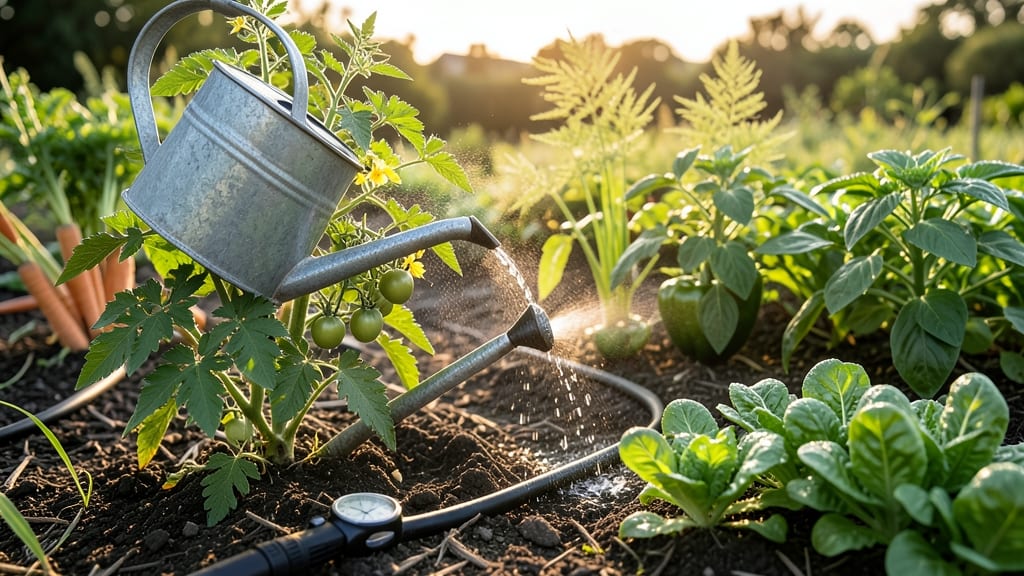
Watering your 🥬 vegetable garden at the best time of day can mean the difference between thriving plants and wasted effort.
Struggling to decide when to water your vegetable garden? The wrong timing can waste water, stress plants, or even invite pests—while the right approach boosts growth, flavor, and yield.
Science-backed secrets reveal why morning watering isn’t just a myth, but a game-changer for root health and pest control. Cooler temperatures reduce evaporation, and leaves dry faster, cutting down on fungal risks.
In this guide, I’ll break down the ideal times, regional adjustments, and tools to make your watering routine more efficient—so you can focus on harvesting instead of troubleshooting.
Why morning watering maximizes vegetable garden growth (science-backed benefits)
If you've ever wondered why your tomatoes or peppers seem to thrive after morning watering, science has the answer. The optimal watering window of 6 AM to 9 AM isn't just a gardening myth—it's rooted in plant physiology and environmental factors that directly impact growth, flavor, and yield.
Understanding these benefits can transform your vegetable garden's productivity and resilience.
One of the most critical advantages of morning watering is reduced water evaporation. When you water in the cooler morning hours, up to 30% less water is lost to evaporation compared to midday or evening sessions.
This means your plants receive more of the moisture they need to develop strong root systems and transport nutrients efficiently throughout their vascular system.
Cooler morning temperatures also create ideal conditions for nutrient absorption. Plants absorb water and dissolved nutrients through their roots most effectively when soil temperatures are between 50°F and 70°F.
Morning watering ensures these conditions are met, allowing your vegetables to uptake essential minerals like nitrogen, phosphorus, and potassium more efficiently—leading to healthier foliage and higher-quality produce.
Here's a quick look at how morning watering stacks up against other times of day:
| Factor | Morning Watering | Evening Watering | Midday Watering |
|---|---|---|---|
| Evaporation Loss | Low (10-30%) | High (40-60%) | Very High (50-70%) |
| Fungal Risk | Low (foliage dries) | High (moisture lingers) | Moderate (depends on humidity) |
| Root Development | Optimal (cool soil) | Good (if timed right) | Poor (heat stress) |
| Pest Attraction | Minimal (dry foliage) | High (moisture attracts) | Moderate (depends on time) |
| Nutrient Uptake | High (ideal temps) | Moderate (cooler soil) | Low (heat stress) |
Morning watering also plays a crucial role in pest deterrence. When you water in the morning, foliage has ample time to dry before nightfall—a critical factor in preventing fungal diseases like powdery mildew and blight.
Wet leaves that stay damp overnight create the perfect environment for spores to germinate and infect your plants. By keeping foliage dry, you're essentially creating a natural defense barrier against common garden pathogens.
Another often-overlooked benefit is how morning watering supports pollination. Many vegetable crops, including cucumbers, squash, and tomatoes, rely on pollinators like bees. When you water in the morning, you're ensuring that flowers are hydrated and attractive to pollinators at the time they're most active.
This can lead to better fruit set and higher yields throughout the growing season.
For root development, morning watering creates an ideal environment. Cool morning soil temperatures encourage roots to grow deeper and stronger, searching for moisture and nutrients.
In contrast, watering in the evening or midday can cause roots to grow closer to the surface in search of water, making plants more susceptible to drought stress and wind damage. Stronger root systems also mean your vegetables can better withstand heatwaves and other environmental stressors.
Let's not forget the impact on flavor and texture. Many gardeners notice that vegetables watered in the morning develop sweeter flavors and firmer textures. This is because consistent morning hydration helps plants maintain proper osmotic pressure in their cells, which directly influences taste and crunch.
For example, lettuce and spinach grown with proper morning watering often have that crisp texture we all love in salads.
If you're growing heat-sensitive crops like peppers, eggplants, or basil, morning watering becomes even more critical. These plants are particularly vulnerable to sunscald and heat stress when their leaves are wet during hot afternoons.
By watering in the morning, you're preventing water droplets from acting like tiny magnifying glasses, concentrating sunlight and potentially damaging leaf tissue.
To maximize these benefits, aim to water your vegetable garden between 6 AM and 9 AM, using a drip irrigation system or soaker hoses to deliver water directly to the soil. This approach minimizes evaporation and ensures your plants receive the most benefit from each watering session.
With these science-backed practices, you'll see stronger plants, healthier growth, and a more productive vegetable garden all season long. 🌱
Morning vs. evening watering: 3 critical factors to compare before deciding
Deciding between morning watering and evening watering for your vegetable garden isn't just about convenience—it impacts plant health, water efficiency, and even pest control.
Each approach has distinct advantages depending on your climate and crop types. Let’s break down the three most critical factors to consider before choosing.
First, let’s compare how each method affects water efficiency. Morning watering minimizes evaporation loss because cooler temperatures and lower wind speeds allow water to penetrate deeper into the soil.
In contrast, evening watering can lead to higher evaporation rates, especially in hot climates, forcing you to water more frequently. This inefficiency wastes both water and time.
| Factor | Morning Watering | Evening Watering |
|---|---|---|
| Water Efficiency | ✅ 90% retained (less evaporation) | ❌ 70% retained (higher evaporation) |
| Plant Stress | ✅ Lower stress (roots dry slowly) | ❌ Higher stress (fungal risks increase) |
| Pest Attraction | ✅ Minimal pests (foliage dries quickly) | ❌ Higher pests (moisture attracts slugs/snails) |
Next, consider plant stress levels. Morning watering allows foliage to dry quickly, reducing the risk of fungal diseases like powdery mildew or blight. Evening watering keeps leaves damp overnight, creating a breeding ground for pathogens.
For example, tomatoes and peppers thrive with morning watering because their leaves stay dry, preventing common issues like early blight.
Finally, pest attraction plays a huge role. Wet foliage at night is a magnet for slugs, snails, and other pests. Morning watering ensures your plants start the day dry, deterring these unwanted visitors.
If you notice chewed leaves or slimy trails, evening watering might be the culprit. Switching to morning sessions can significantly reduce damage and save your harvest.
To decide which method suits your garden, ask yourself: Is my climate hot and dry? Morning watering is ideal. Do I have humidity issues? Evening watering might work—but only if you water early enough for foliage to dry by nightfall.
For most vegetable gardens, 6–9 AM is the sweet spot for balancing efficiency, health, and pest control.
Pro tip: Use a soaker hose or drip irrigation for morning watering to deliver water directly to roots, maximizing efficiency and minimizing waste. This method also keeps leaves dry, further reducing disease risks.
Experiment with both approaches in different sections of your garden to see what works best for your specific crops.