
Vegetables
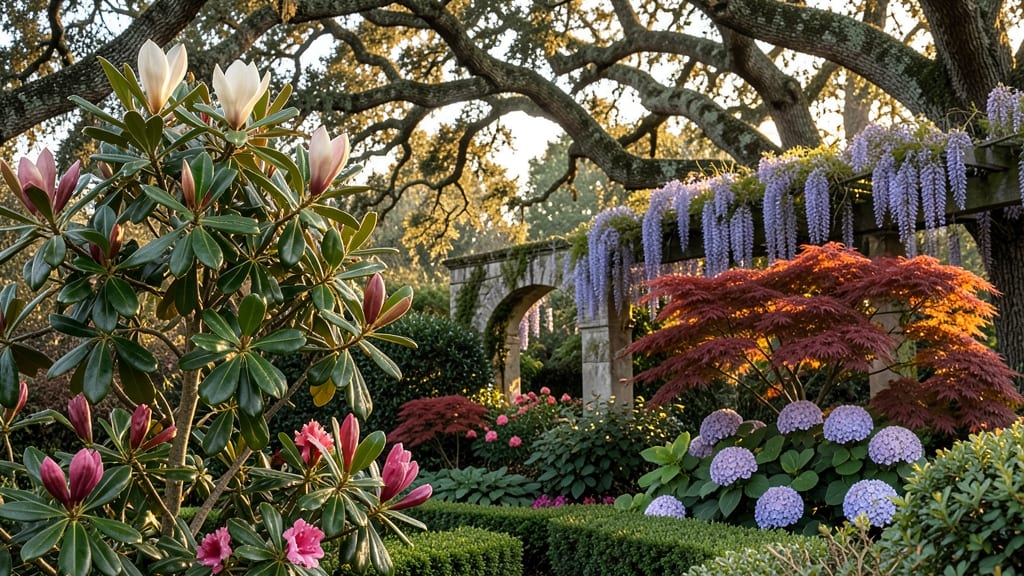
Filoli Gardens in Redwood City, CA, offers a breathtaking 640-acre estate where Italian Renaissance architecture meets meticulously crafted gardens, showcasing rare botanicals, structured parterres, and expansive lawns that appeal to both horticulture enthusiasts and history buffs.
This historic estate isn't just a visual feast—it's a masterclass in landscape architecture that blends 1917 design principles with modern conservation. 🌿 The gardens were originally conceived to mirror Italian villas, complete with symmetrical pathways and water features that frame the main house.
What makes it unique is how the original 1917 layout survives largely intact, offering rare insight into early 20th-century garden design while maintaining its original charm through careful restoration practices.
The estate's 640 acres include over 1,500 varieties of plants from around the world, carefully curated to thrive in the Bay Area's climate. Visitors can explore everything from formal knot gardens to wildflower meadows, all while learning about sustainable landscaping techniques that preserve the property's historic integrity.
The combination of architectural elegance and botanical diversity makes Filoli a standout destination for anyone passionate about garden history or design.
💡 In This Article
- Filoli’s Historic Landscape Design Principles
- Best Plants to Spot in Filoli’s Gardens
Filoli’s historic landscape design principles
Filoli’s garden layout was intentionally designed to mirror the grandeur of Italian Renaissance villas, a style that emphasizes symmetry, perspective, and the harmonious integration of architecture and nature.
The estate’s original 1917 plan called for a central axis that guides visitors from the entrance through formal gardens toward the main house, creating a sense of movement and discovery.
This approach wasn’t just aesthetic—it reflected the Renaissance belief that gardens should be both functional and symbolic, with every element serving a purpose in the overall composition.
The Italian influence is most evident in Filoli’s use of formal parterres—geometric flower beds arranged in intricate patterns that frame pathways and focal points. These designs often feature boxwood hedges meticulously trimmed into shapes like swans, diamonds, and scrolls, a technique borrowed from 16th-century Italian gardens.
Water features, such as the 1920s-era fountain near the house, play a crucial role too—they not only add visual interest but also create auditory cues that enhance the immersive experience. The estate’s original designers understood that sound and sight work together to shape how visitors perceive space.
What sets Filoli apart is how its 1917 design principles have been preserved through modern restoration techniques. Unlike many historic estates that undergo drastic renovations, Filoli’s gardens have been maintained using original blueprints and period-appropriate materials.
For example, the knot gardens (intricate, interlaced patterns) were restored using the same 18-inch spacing between plants specified in the 1917 plans, ensuring the design remains authentic while adapting to contemporary horticultural practices. This balance between history and innovation is what makes Filoli’s landscape so visually striking and educationally valuable.
Another key principle is the use of perspective—every path and vista is carefully calculated to reveal new views of the house or gardens.
The 300-foot-long terrace, for instance, was designed to offer unobstructed views of the surrounding hills while also providing a grand stage for the estate’s architectural details. This technique, known as axial symmetry, was revolutionary in early 20th-century garden design and remains a hallmark of Filoli’s aesthetic.
The result is a space that feels both timeless and dynamic, inviting visitors to explore its layers.
Modern restoration efforts have also incorporated sustainable landscaping to preserve the estate’s historic integrity while addressing contemporary challenges. For example, the 1,500+ plant varieties were selected not only for their visual appeal but also for their ability to thrive in the Bay Area’s USDA Hardiness Zone 9b climate.
Techniques like mulching with compost and drip irrigation have been introduced to reduce water usage while maintaining the gardens’ original beauty. This fusion of old-world charm and eco-conscious practices ensures Filoli remains a living example of how historic design principles can evolve with the times.
One often-overlooked detail is how the estate’s topography was leveraged to enhance the garden’s design. The original planners used the natural slope of the land to create terraces and cascading water features, minimizing the need for artificial structures while maximizing visual impact.
Today, visitors can see how these gradual elevation changes guide the eye upward toward the house, reinforcing the Renaissance ideal of grandeur. This thoughtful integration of nature and architecture is what makes Filoli’s landscape design so enduringly influential.
For those curious about replicating Filoli’s aesthetic in their own gardens, the key takeaway is to focus on structure, symmetry, and seasonal interest. Start with a central focal point (like a fountain or sculpture), then build pathways that create a sense of progression.
Use evergreen shrubs for year-round structure and seasonal blooms for color contrasts, just as Filoli does with its spring tulips, summer roses, and autumn dahlias. The estate’s success lies in its ability to balance precision with natural beauty—a lesson any gardener can apply, regardless of scale. 🌸