
Tools
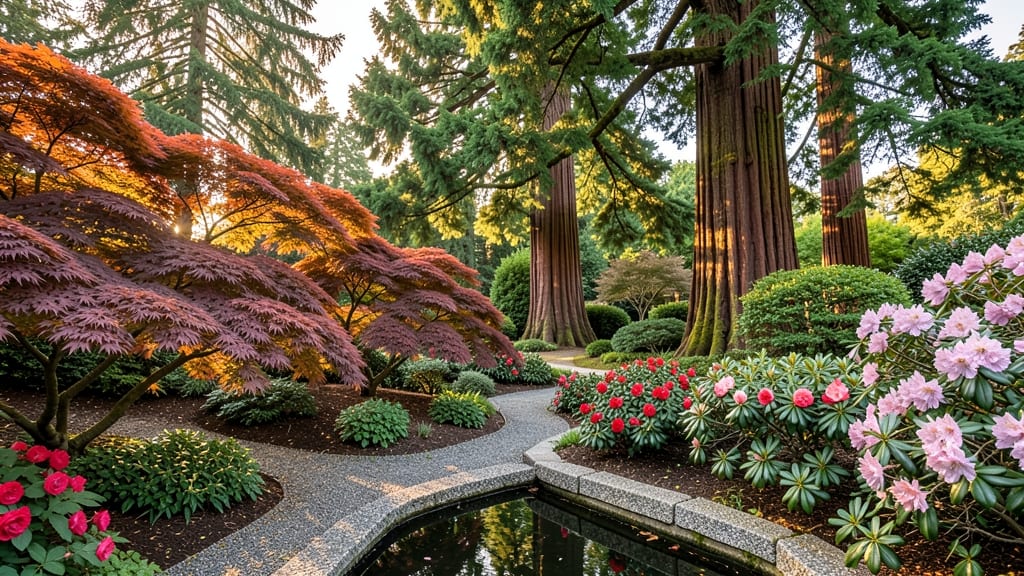
Filoli Garden in Redwood City features stunning historic grounds with meticulously designed landscapes, vibrant seasonal displays including azaleas and camellias, and themed garden areas that create magical photo opportunities for visitors.
This 650-acre estate blends formal European garden design with California's natural beauty, creating a serene escape year-round. 🌸 The estate's layout includes a grand formal garden, a Japanese-inspired moon garden, and a romantic rose garden—each offering unique seasonal highlights.
I've found that visiting during the spring azalea bloom or autumn camellia season transforms the experience, with colors and fragrances that make every pathway feel like a private sanctuary.
The garden's design also incorporates clever water features that enhance the ambiance, from the iconic fountain in the formal garden to hidden streams in the woodland areas. These elements not only add visual interest but create soothing sounds that make the visit even more immersive.
Whether you're a nature enthusiast or simply looking for a peaceful retreat, Filoli delivers an experience that changes with each season.
💡 In This Article
- Exploring Filoli’s Historic Garden Designs and Plant Collections
- Best Times to Visit Filoli for Seasonal Garden Magic
Exploring Filoli’s historic garden designs and plant collections
Filoli’s garden design reflects a masterful blend of early 20th-century European influences and California’s native landscape traditions.
The estate’s layout was meticulously planned in 1915 by landscape architect William R. Walker, who incorporated formal European garden elements like symmetrical pathways and geometric flower beds while harmonizing them with the natural contours of the 650-acre property.
The result is a seamless fusion where structured garden rooms coexist with wildflower meadows and oak woodlands, creating a dynamic visual experience throughout the year.
The garden’s plant collections are carefully curated to showcase seasonal transitions with vibrant color palettes. In spring, 300+ azalea varieties burst into bloom in shades of pink, purple, and white, while tulips and daffodils carpet the lawns.
Summer brings 100+ rose varieties to the historic rose garden, along with hydrangeas and lavender that fill the air with fragrance. Autumn transforms the landscape with camellia blooms and fiery foliage from maples and oaks, while winter offers evergreen structure with holly and magnolia trees providing year-round interest.
Water features play a crucial role in the garden’s design, serving both aesthetic and functional purposes. The iconic 20-foot-tall fountain in the formal garden creates a dramatic centerpiece, while hidden streams and ponds in the woodland areas provide soothing auditory elements that enhance the tranquil atmosphere.
These water features aren’t just decorative—they also support the garden’s ecosystem by attracting birds and beneficial insects, creating a balanced natural habitat within the manicured landscape.
The estate’s design also incorporates clever spatial transitions between formal and informal garden areas. For example, the grand formal garden with its clipped hedges and parterres gives way to more naturalistic sections like the Japanese-inspired moon garden, where gravel paths and carefully placed stones create a meditative space.
This thoughtful layering allows visitors to experience different garden styles within a single visit, making each pathway feel like a new discovery.
One of the most fascinating aspects is how the garden uses seasonal color blocking techniques to create visual impact. In spring, the azalea groves create a sea of color that draws the eye, while summer’s rose garden uses strategic plantings to guide visitors along the main pathways.
The autumn display employs warm hues to contrast with the changing foliage, demonstrating how plant selection can transform the garden’s mood with each seasonal shift.
What makes Filoli’s plant collections particularly special is their historical significance. Many varieties were introduced during the estate’s original planting in the 1910s and 1920s, making the garden a living museum of horticultural history.
The camellia collection, for instance, includes rare varieties that were popular among California’s early elite, while the rose garden features heirloom roses that were favorites of Victorian-era gardeners.