
Vegetables
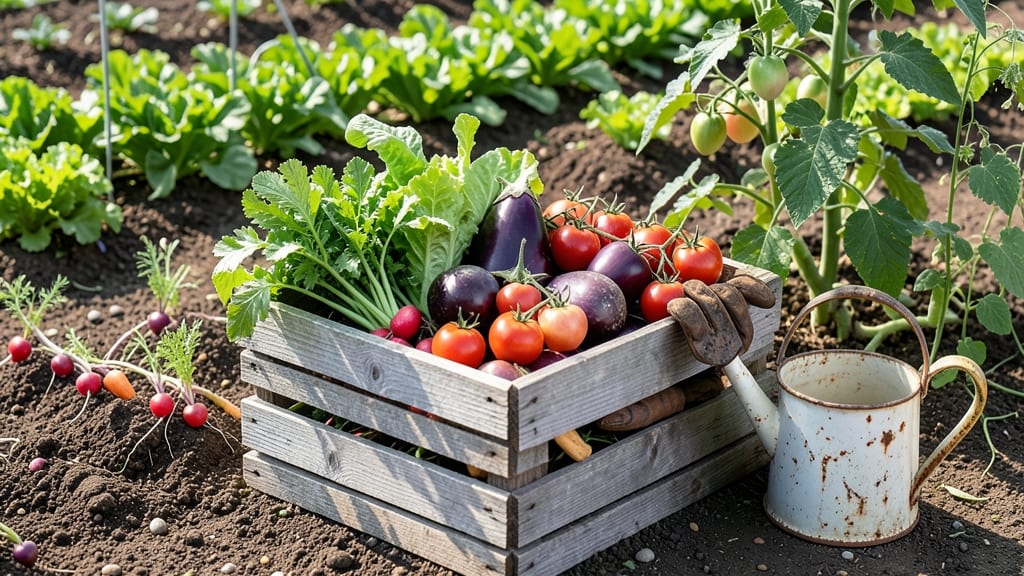
Fenway Victory Gardens were WWII-era community plots that produced millions of pounds of fresh produce, proving how urban spaces could sustain food security during shortages. They used simple techniques like crop rotation and shared labor to maximize yields.
The Fenway Victory Gardens weren't just a wartime solution—they were a grassroots movement that transformed Boston's urban landscape into productive farmland. 🌱 These plots, covering over 30 acres, grew everything from leafy greens to root vegetables, supplying fresh food to local families when supplies were scarce.
What made them so effective was their community-driven approach: neighbors shared tools, knowledge, and even seeds, creating a self-sustaining system. Today, their legacy lives on in modern urban farming initiatives that prove how small spaces can make big impacts.
These gardens also demonstrated the power of simple, sustainable practices like composting kitchen scraps and using rainwater collection.
The techniques they pioneered—like intercropping to deter pests—are still used in today's community gardens. 🔥 What's fascinating is how their model adapted to modern challenges, showing that food security isn't just about large-scale agriculture but about local resilience and shared effort.
💡 In This Article
- How Fenway Victory Gardens Maximized Food Production
- Modern Urban Gardening Lessons from Fenway Victory Gardens
How Fenway victory gardens maximized food production
The gardens thrived by focusing on high-yield, fast-growing crops that required minimal space.
Gardeners prioritized vegetables like tomatoes (producing up to 20 pounds per plant in a season), carrots (yielding 5-10 pounds per square foot), and cabbage (with 20-30 heads per plant), which packed maximum nutrition into small plots.
They avoided low-yield crops like potatoes, opting instead for leafy greens that could be harvested multiple times. 🌱
Soil health was critical—gardeners mixed composted kitchen scraps and manure to enrich the urban soil, which was often depleted from years of industrial use. They practiced crop rotation, moving vegetables from one plot to another each season to prevent soil depletion and pest buildup.
Irrigation was simple but effective: shallow trenches filled with water guided moisture directly to roots, reducing waste. Some plots even used rainwater collection barrels to conserve resources during dry spells.
Labor was organized through neighborhood networks, with families taking shifts to tend the gardens. A single 10x20-foot plot could feed a family of four for months, proving that collective effort multiplied productivity.
The gardens also used intercropping, planting fast-growing radishes between slower-maturing cabbages to maximize space and deter pests naturally. This method increased yields by up to 30% compared to traditional row planting.
One lesser-known technique was the use of mulch—straw or grass clippings spread over soil—to retain moisture and suppress weeds. This saved time on weeding and kept vegetables hydrated during Boston's unpredictable spring rains.
The gardens also grew herbs like dill and parsley not just for flavor but as natural pest repellents, reducing the need for chemical interventions. 💫
What made these gardens so productive wasn't just the plants or soil—it was the shared knowledge. Experienced gardeners mentored newcomers, and seed libraries ensured everyone had access to high-quality varieties.
This collaborative approach turned urban spaces into thriving food systems, proving that even in wartime, innovation and community could overcome scarcity.