
Light Requirements
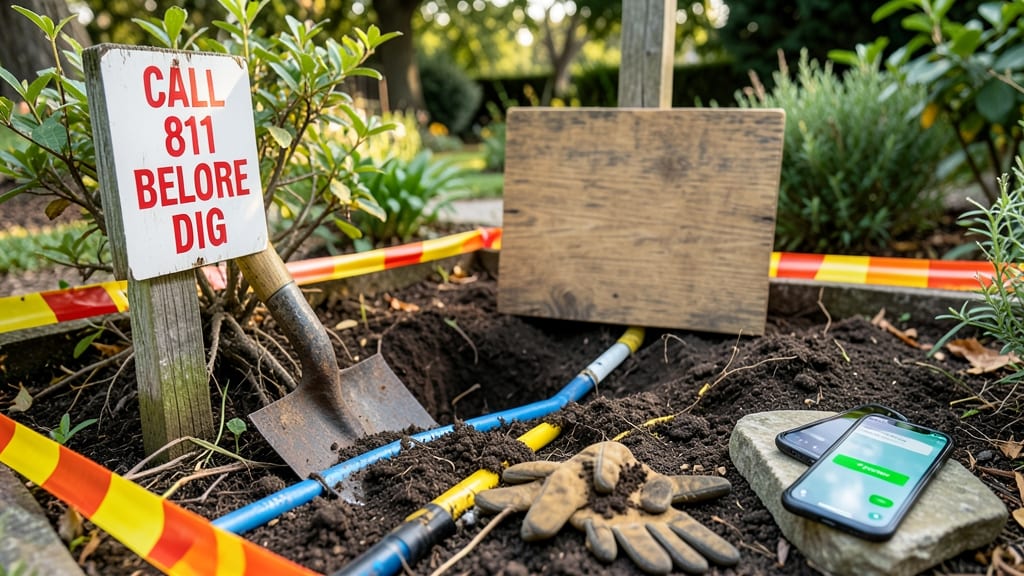
You need to call 811 for a garden before digging if you're planting trees, shrubs, or perennials deeper than 12 inches, since underground utility lines may be present. Always check your state's specific rules, as they often require this safety notification before starting landscaping projects.
This safety measure exists to prevent accidental damage to buried power, water, gas, or communication lines—something that happens over 200,000 times annually in the U.S. 🔥 The process is simple: you submit your project details online or by phone, and utility companies will mark their underground lines for free within a few days.
Many states, like California and Texas, have strict deadlines (often 48 hours to 2 days before digging), so planning ahead is key. Even small gardens with deep-rooted plants can trigger these requirements, making it worth double-checking local regulations before breaking ground.
What's interesting is how these rules vary by state—some mandate notification for any digging over 6 inches, while others focus specifically on landscaping projects. For example, Florida's Sunshine State requires 48-hour notice, but New York's DigAlert system allows online requests with immediate line marking in some cases.
Always verify with your state's 811 center, as penalties for non-compliance can include fines or project delays.
💡 In This Article
- When and Why to Call 811 Before Gardening
- State-Specific 811 Rules for Gardeners and Landscapers
When and why to call 811 before gardening
Understanding why you should call 811 before gardening starts with the hidden dangers beneath your yard. Every year, over 200,000 utility strikes occur in the U.S., causing power outages, gas leaks, and water main breaks that can cost thousands to repair.
These incidents often happen during landscaping when shovels or augers accidentally hit buried lines—something that can be completely avoided with a simple notification.
The 811 system connects you directly to local utility companies, who then send trained professionals to mark their underground lines with bright paint or flags, making them visible before you dig.
The key factor determining whether you need to call 811 is the depth and type of your garden project. Most states trigger requirements when digging deeper than 12 inches, especially for trees, shrubs, or perennials with deep root systems.
For example, planting a 5-foot-tall oak tree (which requires a hole 18-24 inches deep) would definitely require notification, while shallow flower beds (6 inches or less) might not in many states.
The science here involves root growth patterns—deep-rooted plants need extensive soil disruption, increasing the risk of hitting buried infrastructure like gas lines (12-18 inches deep) or electrical cables (18-36 inches deep).
What most people don't realize is how quickly the marking process works. After you submit your request (online or by phone), utility companies typically respond within 2-5 business days, depending on your state.
Some states, like California, mandate a 48-hour notice before digging, while others like Texas allow up to 2 days. The markings themselves are highly visible—utility companies use fluorescent paint or stakes to clearly indicate where lines are buried, often within 1-2 feet of accuracy.
This visual guide gives you peace of mind and ensures you won't accidentally sever a 1-inch gas line or a ½-inch water pipe hidden just below the surface.
Here's what actually happens during the marking process: utility companies dispatch crews with specialized equipment that detects underground lines using electromagnetic sensors. These devices can pinpoint metal pipes and cables with remarkable precision, even in complex soil conditions.
For fiber-optic lines (which lack metal), companies use GPS coordinates from their records. The markings remain visible for 2 weeks or until the ground is disturbed, giving you plenty of time to complete your project safely.
In some states, like New York, you can even request a same-day marking for emergency projects, though this requires prior registration with the state's 811 system.
Consider these key factors when deciding whether to call 811:
- Project depth: Any digging deeper than 6-12 inches (varies by state) typically requires notification
- Plant type: Trees, shrubs, and perennials with deep roots are higher-risk than annuals or shallow bulbs
- Local regulations: Some states (e.g., Massachusetts) require notification for any digging, while others exempt small-scale projects
- Utility types: Gas, electric, water, and communication lines are all marked—even if you're unsure which might be present
The consequences of skipping this step can be severe. Beyond the immediate danger of gas leaks or electrical shocks, you could face hefty fines (up to $5,000 in some states) or legal liability if your digging causes an outage that affects neighbors.
For example, in Florida, a landscaper who hit a gas line during a tree planting faced $25,000 in damages plus legal fees. The good news? The 811 call is free and takes just minutes to complete—making it a no-brainer for any serious garden project.
What's particularly interesting is how technology is changing this process. Many states now offer mobile apps for 811 requests, allowing you to submit photos of your project location and receive digital confirmation. Some companies even provide real-time tracking of when markings will arrive at your site.
This modernization has made the system more accessible, especially for weekend gardeners who might otherwise forget this critical safety step. 💫