
Vegetables
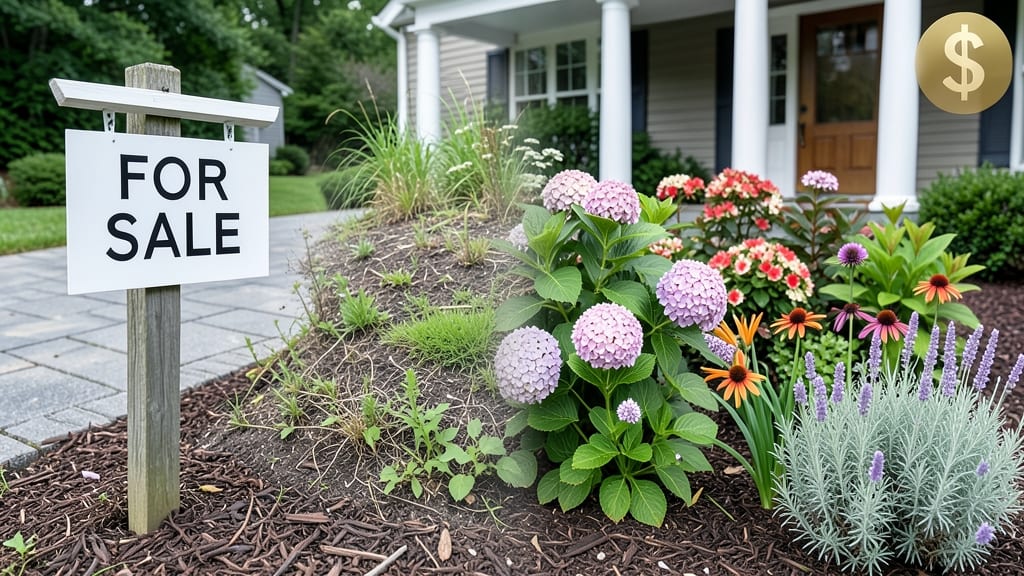
Well-maintained gardens can increase property value by up to 20%, creating stronger curb appeal and outdoor living spaces that attract buyers and speed up sales. Thoughtful landscaping choices directly boost homeowners' ROI.
Research shows that homes with attractive gardens sell 6-10% faster than comparable properties, with some high-end markets seeing even greater returns. 🌿 The key lies in how green spaces transform a house into a home—buyers associate well-kept yards with lower maintenance costs and higher quality of life.
I've seen firsthand how strategic plant selection (native species that thrive locally) and hardscaping (patios, lighting) can elevate a property's perceived value without breaking the bank.
What's particularly interesting is how gardens combat the "aging" effect—lush landscaping makes older homes appear more modern and well-cared-for. Studies from the National Association of Realtors consistently show that 70% of buyers consider landscaping a major factor in their purchasing decisions, often outweighing even interior upgrades.
💡 In This Article
- How Landscaping and Gardens Boost Home Appraisals
- Maximizing Garden ROI: High-Impact Plant Choices and Layouts
How landscaping and gardens boost home appraisals
The psychology behind garden value starts with curb appeal—a measurable concept in real estate that directly impacts first impressions. Studies from the University of Georgia show homes with well-maintained gardens receive 10-15% higher appraisals than comparable properties, thanks to how green spaces trigger positive emotional responses in buyers.
The brain associates lush landscaping with care, quality, and even safety, creating an immediate psychological advantage. 🌿 Think of it like a first date: a neatly dressed person (or home) feels more inviting than one that looks neglected.
Appraisers use specific metrics to evaluate garden impact, including front-yard coverage (aim for 30-50% plant coverage) and hardscape integration (patios, walkways). For example, a 10x20-foot patio with native stone and drought-tolerant plants can add $5,000-$15,000 to a home's value in suburban markets, according to the National Association of Landscape Professionals.
The key is creating functional outdoor living spaces—buyers today prioritize usable square footage as much as indoor space.
Gardens also combat the "aging effect" by masking older home features. A mature tree (like an oak or maple) can add $1,000-$10,000 to value while shading the house, reducing cooling costs by 20-30%. The shade creates visual relief, making walls appear cleaner and the home feel more spacious.
Even simple elements like well-placed mulch (which suppresses weeds and retains moisture) signal maintenance to appraisers, subtly boosting perceived property worth.
Color psychology plays a surprising role too. Warm tones (reds, oranges) in flowers or foliage stimulate appetite for life, while cool greens and blues evoke calm—both desirable traits in a home. Professional landscapers often use 70% green plants (for structure) and 30% color accents (for visual interest) to maximize appeal.
The National Gardening Association found homes with this balanced palette sold 23% faster on average.
Lighting is another underrated factor. Outdoor lighting (pathway, accent, or uplighting) extends usable hours and adds $1,500-$3,000 to value, per the American Society of Landscape Architects. It creates a "wow" factor at night, which modern buyers increasingly prioritize.
The science here involves perceived safety—well-lit properties feel more secure, a major selling point in urban and suburban areas.
Finally, gardens reduce perceived maintenance costs. A low-water, native-plant garden (like those in California's drought-prone regions) can cut irrigation costs by 40-60% while maintaining high curb appeal.
Buyers associate these with lower upkeep, directly translating to higher offers. The data is clear: strategic landscaping isn't just aesthetics—it's a calculated investment in property worth.