
Blooming
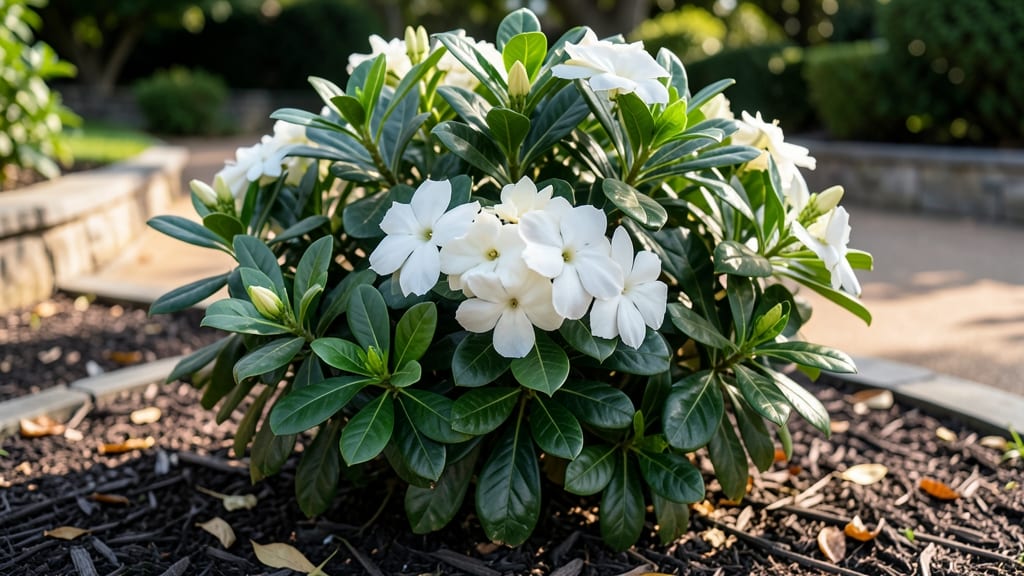
Gardenias don't bloom all summer naturally—they follow seasonal cycles, typically flowering from late spring through early fall, with peak blooms in warm summer months. Varieties and proper care determine how long they'll stay in bloom, but consistent conditions like humidity, sunlight, and pruning are essential for extended flowering.
Gardenias are sensitive to seasonal changes, and their blooming cycles are directly tied to temperature shifts and daylight hours. 🌸 In tropical climates, they may produce flowers year-round, but in temperate zones, they naturally enter dormancy during cooler months.
The key to encouraging summer blooms lies in mimicking their ideal growing conditions—think of it as giving them a summer vacation from stress by maintaining consistent moisture and avoiding sudden temperature swings.
What many gardeners don't realize is that gardenias actually need a period of rest to rebloom. Pruning spent flowers in early summer and providing balanced fertilization (with more phosphorus than nitrogen) can help sustain their energy for longer flowering periods.
Varieties like 'Kleim's Hardy' are particularly resilient for extended summer displays, while others may need extra care to keep blooming past mid-summer.
💡 In This Article
- Seasonal Bloom Patterns in Gardenia Plants
- Tips to Extend Gardenia Blooms Through Summer
Seasonal bloom patterns in gardenia plants
Gardenias follow a natural blooming rhythm tied to daylight hours and temperature shifts. These tropical plants evolved to respond to seasonal cues—specifically, the increasing daylight of spring and summer triggers their flowering.
In temperate zones, gardenias typically bloom from late May through September, with peak production in July and August when temperatures hover between 65-85°F. The shorter days of fall signal their bodies to prepare for dormancy, which is why blooms naturally taper off by early October.
The science behind this involves a hormone called florigen, produced in leaves when exposed to 12-14 hours of daylight. This hormone travels to the flower buds, initiating bloom.
In tropical climates, gardenias may produce flowers year-round because daylight remains relatively consistent, but even there, they often have a primary blooming season during the warmest months. 🌿 What's fascinating is how humidity plays a role—gardenias need 50-70% humidity to open their buds fully, which is why they often struggle in dry summer air, even when temperatures are ideal.
Dormancy is the real game-changer for summer blooms. Gardenias need a 3-4 month rest period each year to recharge. In cooler climates, this happens naturally in winter, but in warm regions, gardeners must simulate it by reducing water and fertilizer.
Without this rest, plants become stressed and may produce fewer blooms or even drop buds prematurely. This is why you'll see some gardenias flowering heavily in spring but fading by mid-summer—they're conserving energy for their next cycle.
Climate makes a huge difference in bloom duration. In Florida or Hawaii, gardenias might flower continuously from spring to fall, while in New York or London, they'll have a 3-4 month window of active blooming.
The key difference is temperature consistency—gardenias hate sudden drops below 50°F or spikes above 90°F, both of which can shock the plant and halt flowering. Even in warm climates, afternoon shade becomes crucial during peak summer to prevent heat stress that could prematurely end the blooming season.
What most gardeners overlook is how root temperature affects blooming. Gardenias prefer soil temps between 60-75°F. In hot summer months, container-grown plants can overheat if their roots bake in direct sun, leading to bud drop.
This is why mulching with 2-3 inches of organic matter helps maintain consistent root temperatures. The roots act like a thermostat—when they get too hot or cold, the plant conserves energy by stopping flower production.
Consider these climate-based bloom patterns:
- Tropical zones: Year-round blooming with peak in summer (6-8 months of flowers)
- Subtropical zones: Spring through early fall (5-6 months, tapering by October)
- Temperate zones: Late spring to early fall (3-4 months, often stopping by September)
- Cold climates: Brief summer blooming (2-3 months if at all, often requiring winter protection)
The most reliable way to extend summer blooms is understanding these natural cycles and working with them rather than against them. 🌸