
Companion Plants
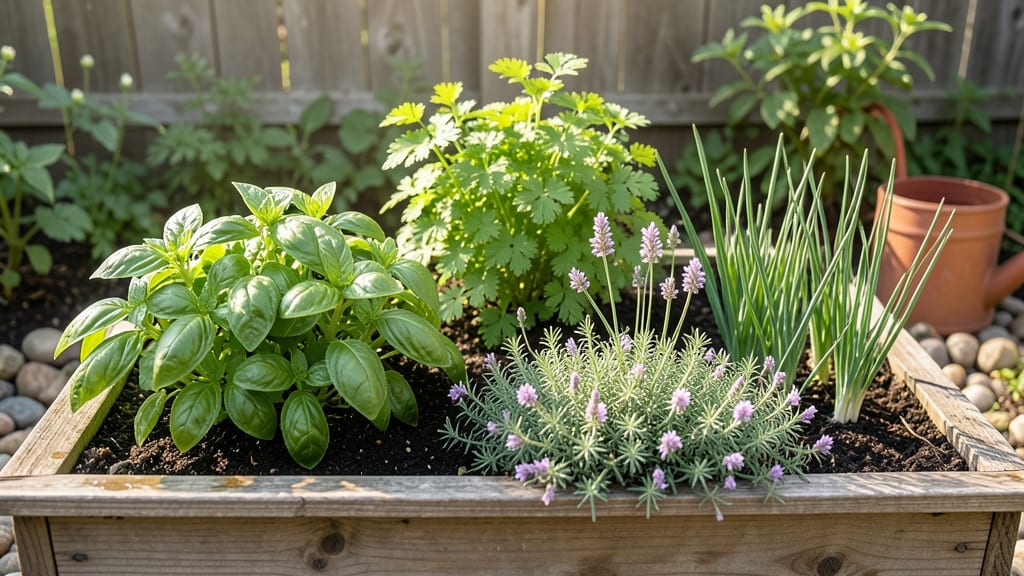
Good little garden plants are perfect for beginners and busy gardeners, featuring hardy options like sedum and echeveria, easy-to-grow herbs such as thyme and oregano, and tough ground covers like creeping thyme or clover. These plants require little attention, handle dry spells well, and deliver fast, satisfying results.
These tiny powerhouses are designed to thrive where other plants struggle—whether it's scorching sun, forgotten watering, or rocky soil. 🌱 The secret lies in their shallow roots and water-storing leaves, which let them survive on minimal moisture while still packing a visual punch.
I’ve seen sedum turn a dull corner into a vibrant display with almost no effort, and thyme’s fragrant leaves add both beauty and practicality to any space.
For containers or small garden beds, these plants offer flexibility too. Pair creeping thyme with lavender for a fragrant duo, or tuck echeveria into cracks for instant greenery. Most can handle part shade, making them ideal for patios or under trees where full sun might be too harsh.
💡 In This Article
- Why These Small Plants Survive with Minimal Care
- Best Beginner-Friendly Plants for Containers and Beds
Why these small plants survive with minimal care
These resilient plants owe their survival skills to evolutionary adaptations like shallow root systems and water-storing tissues. Succulents like sedum and echeveria store moisture in their thick, fleshy leaves—some can go months without water because their roots spread wide but shallow, absorbing what little rain or irrigation they receive.
Compare that to traditional garden plants like roses, which need deep, consistent watering to support their extensive root networks and delicate blooms.
Their drought tolerance stems from specialized cells called parenchyma that act like tiny water tanks. For example, sedum's leaves can hold up to 80% water by weight, while creeping thyme's silvery foliage reflects sunlight to reduce evaporation.
These adaptations let them thrive in USDA zones 3-10 with minimal intervention, making them perfect for forgetful gardeners or areas with sporadic rainfall.
Sunlight preferences vary slightly but generally align with their natural habitats. Most succulents prefer 6-8 hours of full sun daily, while herbs like oregano tolerate partial shade (4-6 hours).
This flexibility means you can place them in containers on balconies, along sunny fence lines, or even in cracks between pavers. The key is avoiding soggy soil—their roots rot quickly when overwatered, unlike moisture-loving plants like ferns.
Soil requirements are another game-changer. These plants often prefer well-draining mixes with 30-50% sand or gravel to prevent root rot. For instance, echeveria thrives in cactus soil blends, while thyme grows happily in rocky, nutrient-poor soil.
This adaptability lets you grow them in everything from urban planters to wildflower meadows without fuss.
Consider their growth habits too. Creeping thyme spreads aggressively (up to 12 inches per year) to outcompete weeds, while sedum grows in tight rosettes that rarely need pruning. This means less deadheading, staking, or pest control compared to annuals like petunias, which require constant attention to stay vibrant.
What most people don't realize is how these plants support local ecosystems. Their flowers attract pollinators like bees and butterflies, while their dense foliage provides shelter for beneficial insects.
For example, a single sedum plant can host dozens of beneficial insects during its blooming season, turning your low-maintenance garden into a mini ecosystem.